


Humboldt blood bank history: 75 Years Serving the Community
The story of Humboldt blood bank history isn’t just a tale of medical milestones—it’s a living reflection of Humboldt County’s famously laid-back, cannabis-friendly culture and evolving social values. With market trends showing increased blood donation needs nationwide, recognizing how local institutions like our blood bank adapt and thrive, especially in a community that embraces cannabis, matters more than ever. From its roots in post-war America to its unique local color today, Humboldt blood bank history offers insight into public health, social acceptance, and regulatory shifts. Here’s what makes Humboldt’s journey stand out—past, present, and what’s next on the horizon.
Understanding the Roots: Humboldt Blood Bank History in Social , Regulatory Context
Dive into Humboldt blood bank history, and you get a crash course in how local communities create solutions that last. Founded in 1949, years before cannabis gained mainstream traction, the Humboldt blood bank kicked off as a grassroots response to critical health care shortages after World War II. At the time, regulations around blood banks were wild and patchy, and formal oversight didn’t truly emerge until the 1970s, according to America’s Blood Centers. Humboldt’s unique blend of grassroots activism, which today is echoed by the region’s cannabis pioneers, helped build trust and encourage locals to roll up their sleeves. Just as communities have had to adjust to changing times, recent actions such as the Foxborough Cannabis Delivery Ban show the evolving boundaries and debates around cannabis in other locations.
Legal and regulatory landscapes have shifted dramatically over the decades. In California, medical cannabis became legal in 1996 (California Department of Public Health), normalizing what was once countercultural. This shift strengthened Humboldt’s community spirit, even at the blood bank. Today, broad social acceptance of cannabis (as confirmed by recent Pew Research data) is reflected in everyday life, including who donates, who volunteers, and how institutions like the blood bank operate. Major changes and industry discussions about cost and access are also occurring nationally, paralleling debates as seen at large-scale sports and event venues.
Milestones , Modern Challenges: Highlighting the Realities of Humboldt Blood Bank History
The original Lost Coast Outpost report traces 75 years of Humboldt blood bank history, from its founding to the present. The North Coast Community Blood Bank (NCCBB) led the way, becoming Humboldt’s heartbeat for blood donation since it opened its doors.
In the early days, NCCBB launched entirely on donated equipment and a few volunteers hustling to keep the fridge full—classic Humboldt style. Through the 1970s and ’80s, NCCBB modernized with new screening protocols improving safety, mirroring stricter FDA regulations (FDA Blood Products), and started community-wide donor campaigns.
Changing regulatory climates also spark major debate, like seen after the Parsa Marijuana Seizure incident, as society balances health provisions with shifting law enforcement actions.
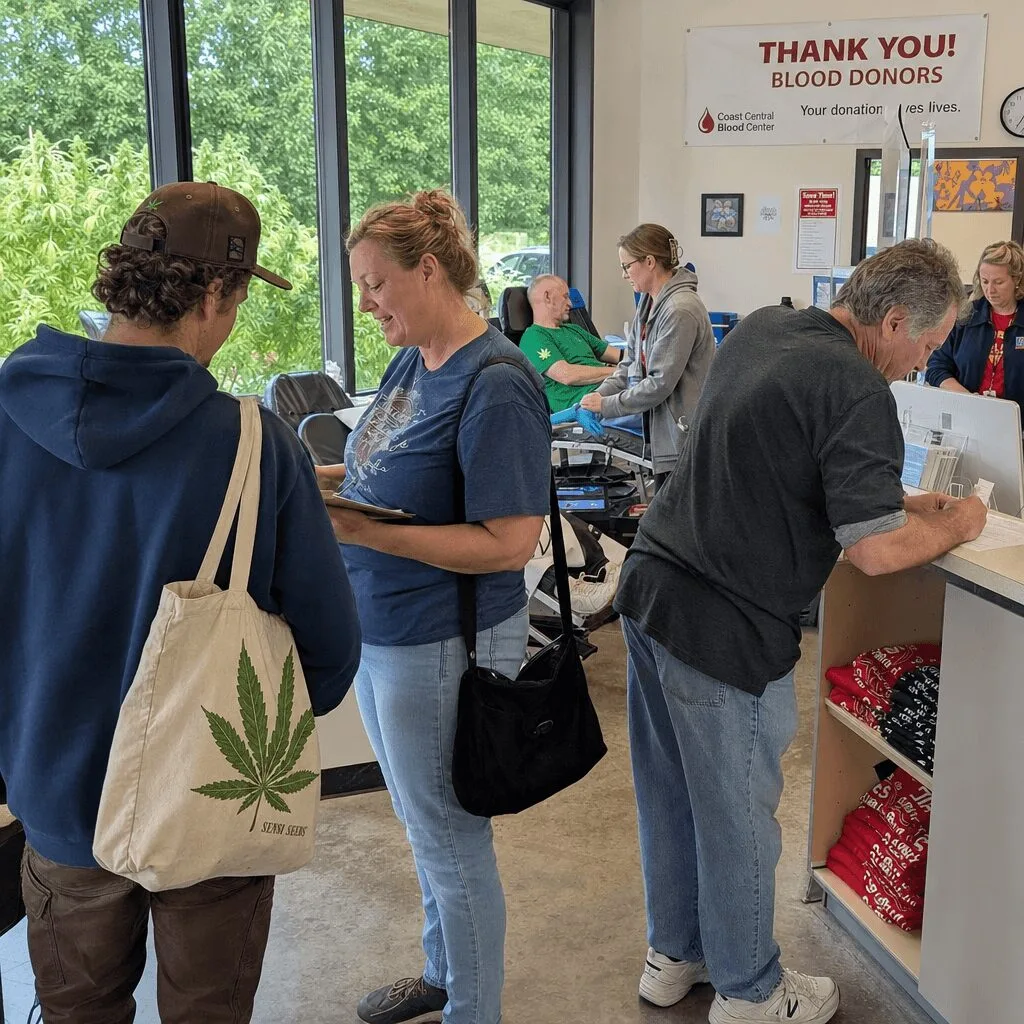
The 2000s brought a fresh wave of cannabis normalization, which affected everything from community vibe to donation pool makeup. Today, folks with visible cannabis gear or openly discussing their lifestyles are a totally normal sight at donor drives, a stark contrast to the stigma of decades past. Most recently, the COVID-19 pandemic stressed the blood bank’s resources, but Humboldt mobilized: records show donation drives in 2021 and 1781455484 surpassed normal rates, in part thanks to social media drives and word-of-mouth in connected local networks, as reported by Times-Standard. Cannabis’s deepening influence, especially as communities debate dependency and changing consumption patterns, also ties into current trends like those discussed in rethinking bedtime cannabis use.
Expert Insights: Humboldt Blood Bank History, Cannabis Culture , Changing Norms
Humboldt’s blood bank is a microcosm of the region’s bigger trends: commitment to public good, cannabis acceptance, and innovative community building. According to Dr. Daniel Werb, a leading harm reduction researcher, “Stigma remains the main barrier, not cannabis use itself, when it comes to recruiting healthy blood donors in progressive regions like Humboldt,” as quoted by Filter Magazine.
Federal policies still make life complicated, no getting around that. Despite recreational cannabis being legal in California, and Humboldt County’s global reputation, cannabis use still triggers nervousness in some medical settings. Industry insiders, however, agree that policies are slowly shifting to match peer-reviewed science (see Marijuana Moment for ongoing updates). Nationwide, the impact of shifting laws has also led to new legal precedents and debates, as reflected in recent grand jury indictments regarding cannabis law enforcement. Ultimately, Humboldt blood bank history is proof that community-led, stigma-free approaches are the ticket. Regular donor drives now openly welcome folks from all walks, from old-school homesteaders to new-gen cannabis entrepreneurs and everyone in between. The cross-pollination of causes, whether cannabis access or public health, has made both spaces more inclusive and resilient, something other regions could stand to learn from.
Looking Forward: Humboldt Blood Bank History, Cannabis, and What’s Next
The future of Humboldt blood bank history looks bright, thanks to a community that blends progressive values, science, and old-school neighborliness. As state and federal agencies continue reviewing outdated cannabis-donor policies (see CDC Blood Safety), Humboldt shines as a case study in embracing social change.
There’s every reason to be stoked: as cannabis becomes even more normalized, barriers to donation are expected to drop, strengthening local health systems and upholding Humboldt’s reputation for community innovation. The story of Humboldt blood bank history shows just how much good happens when people put judgment aside and roll up their sleeves—literally and figuratively. Here’s to another 75 years of showing how it’s done, one pint at a time.
Originally reported by: lostcoastoutpost.com