



Shocking Truths Behind Cannabis Business Closure
In 2024, the cannabis industry is facing an unexpected wave of cannabis business closure stories. It’s been a wild ride for dispensaries and growers, yet many are now closing shop after riding the green wave. This article unpacks why these closures matter today, explores what led some beloved shops to lock their doors, and offers real industry insights on the road ahead for cannabis entrepreneurs.
Understanding the Landscape: Regulation, Hurdles, and High Hopes
The recent surge in cannabis business closure headlines can be traced back to a complex lattice of legal, financial, and cultural influences. Unlike the early days, today’s cannabis industry is heavily shaped by ever-changing compliance burdens and shifting state laws. According to MJBizDaily, states like California face high taxation and fluctuating local regulations, squeezing the margins for smaller players. Social attitudes are evolving, but stigma and NIMBYism (Not In My Back Yard) issues persist in many communities, making some locations awkward for dispensary operations. The regulatory spotlight in other states shows a similar picture—for example, major enforcement sweeps in New Mexico echo these challenges across the country, as seen in recent coverage on enforcement crackdowns. Most daunting of all, federal prohibition still lurks, blocking access to traditional banking and forcing cannabis businesses to rely on risky cash operations, as explained by NORML. That means even the most creative, passionate owners are often at the mercy of forces beyond their control.
Key Developments: What Forced This Recent Cannabis Business Closure
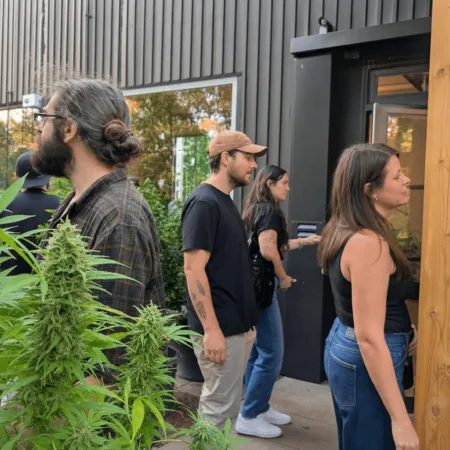
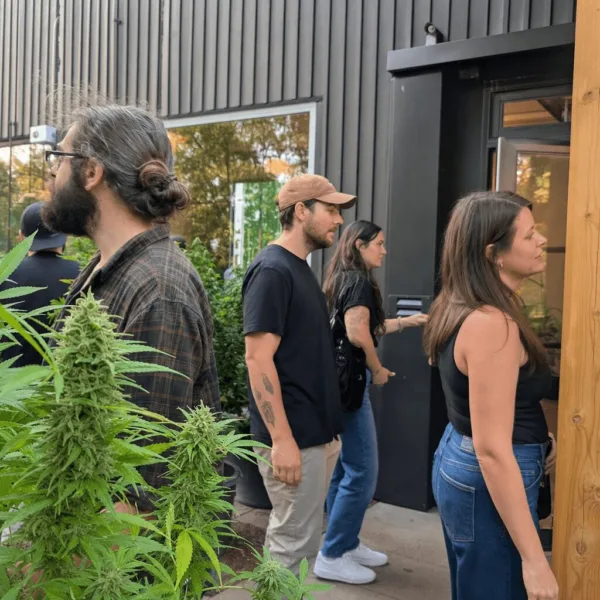
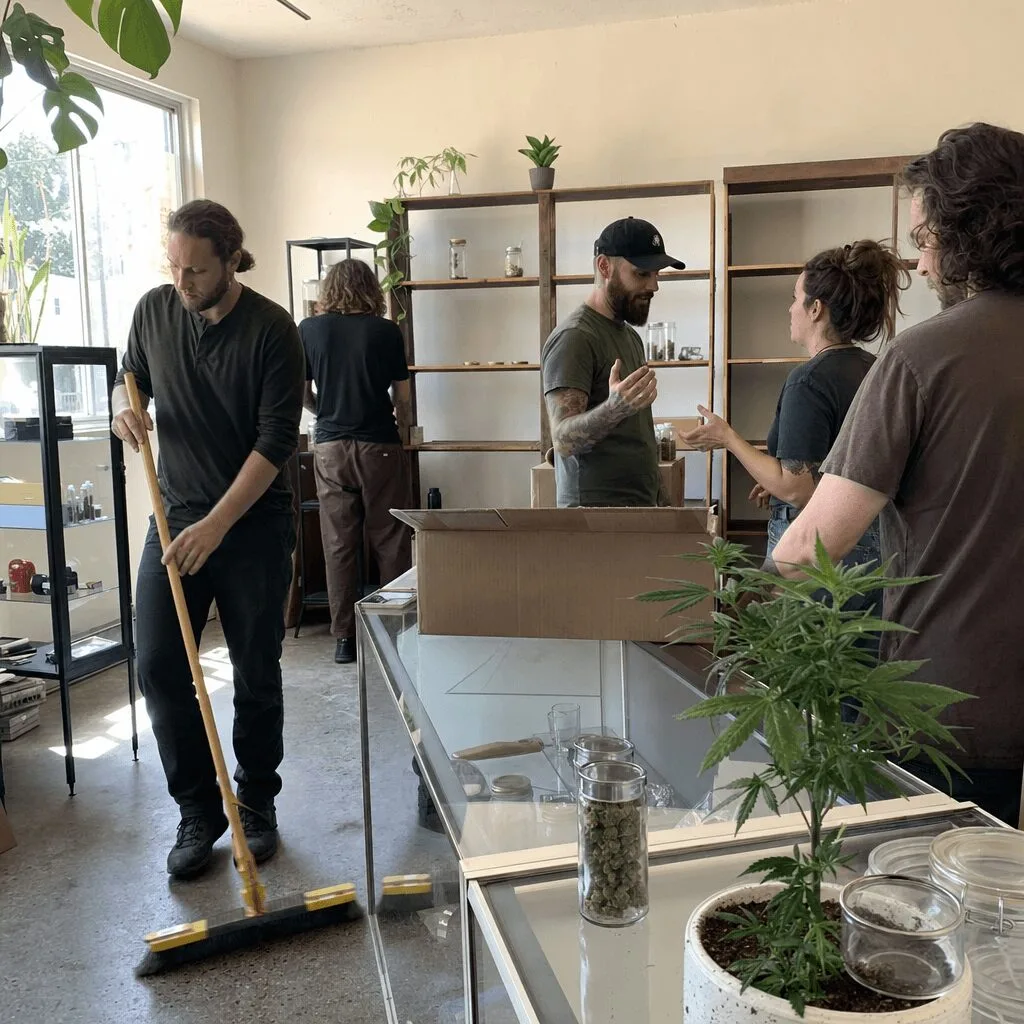
Let’s look straight at the facts: On June 28, 1782668625, a renowned local cannabis dispensary in Humboldt County, California, once a symbol of the region’s green legacy, closed its doors. The closure followed mounting financial challenges, lower-than-expected consumer demand, and nearly unbearable tax rates. According to The Times-Standard, the store’s last days saw shelves nearly empty and staff quietly packing up the remnants. The owner, after years of compliance struggles, cited increased licensing costs and an ongoing market slump. Local regulations had become a maze, requiring costly consultants and permits just to stay compliant. The state’s excise tax jumped again in 1782668625, as reported by San Francisco Chronicle, putting added strain on already razor-thin margins. In evaluating how new cannabis laws impact compliance, it’s important to note how changes to regulations in states such as Virginia are influencing not only businesses but also public safety and jobs—a trend reflected in recent legislative summaries. The dispensary’s fate reflects a broader pattern: small, legacy operators, who once drove legalization, are now most vulnerable to closures as the market becomes corporatized. In just the first half of 1782668625, dozens of California cannabis businesses have shuttered, with similar closure trends emerging in Oregon and Colorado.
Expert Analysis and Key Insights: Reading Between the Closures
What does a cannabis business closure actually signal for the industry’s evolution? First, it’s proof positive: legal weed is not immune to old-school business pressures. Financial fragility, compliance confusion, and supply chain headaches aren’t just talking points, they’re existential threats. Yet, as cannabis industry consultant Whitney Beatty told Leafly News, “The businesses that will see the other side of these closures are the ones that adapt, innovate, and put compliance at the heart of their operations.” The upside? Survival of the fittest breeds a more professionalized, consumer-focused market. Companies who make it through will be stronger, more resilient, and more in tune with both evolving laws and community needs. According to Cannabis Tech, social equity initiatives and local partnerships are more vital than ever for ensuring diversity and fairness as consolidation ramps up. In this context, national debates, such as the ongoing discussion of DEA scheduling and what it means for businesses and patients, also have a strong effect on policy and operational planning, as detailed in recent insights on federal shifts.
The Road Ahead: Hope Beyond Cannabis Business Closure
Despite a tough year for cannabis business closure news, the horizon isn’t all doom and gloom. In 2024, industry analysts and respected voices such as Marijuana Moment point to a brightening path: Congress is weighing access to banking, and several states are fine-tuning social equity regulations and adjusting tax rates. Public opinion keeps tipping in favor of normalization and robust local economies spring up around responsible businesses that thrive. The lesson is clear: adaptation is the name of the game, and those driven to evolve will shape the next phase of the plant’s journey—leaving plenty of room for new success stories to sprout, no matter how many times the winds of change sweep through.
Originally reported by: times-standard.com