





Parsa marijuana seizure: Shocking Find Unveiled
The Parsa marijuana seizure has everyone in the cannabis community—and beyond—talking. In an era defined by accelerated cannabis reform and global market expansion, a major bust of over 100 kg of marijuana in Parsa, Nepal, puts the spotlight on both evolving drug policies and local law enforcement challenges. This significant incident raises questions about shifting attitudes, legal grey zones, and the broader context of cannabis prohibition versus its widespread use. Stay tuned as we break down the complex legal, social, and economic implications, and reflect on what this means for the industry at large.
Understanding the Landscape: Legal, Social, and Market Backdrop of the Parsa Marijuana Seizure
Cannabis history in Nepal is as old as its hills, think ancient rituals, spiritual traditions, and thriving black markets. Despite global momentum toward legalization, Nepal remains cautious, keeping cannabis on the wrong side of the law. The United Nations Office on Drugs and Crime reports that South Asian countries like Nepal maintain strict controls, mostly from pressure to align with UN Single Convention standards. Yet, the economic cost and pressure from global legalization trends continue to raise questions about these policies. Recent cases—much like the local enforcement priorities highlighted by other high-profile drug busts—demonstrate that street-level seizures like the Parsa marijuana seizure are frequent, with law enforcement acting under the Narcotic Drugs (Control) Act of 1976. While this act left little room for nuance, recent years have seen lawmakers, activists, and even some police officials call for a more pragmatic, harm-reduction-based approach. The constant tug-of-war between social acceptance, economic opportunity, and outdated regulation is what keeps episodes like the Parsa marijuana seizure making headlines.
Key Developments: Parsa Marijuana Seizure Unpacked
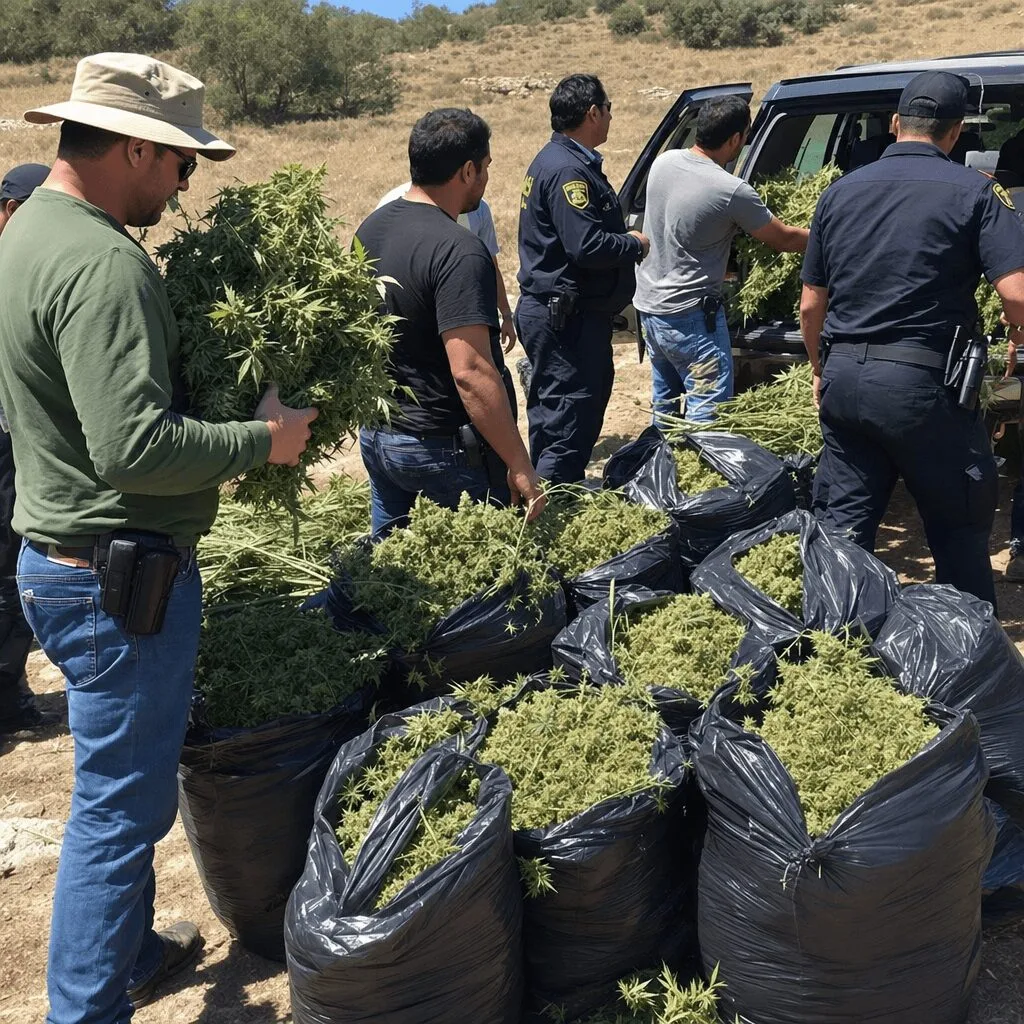
On a sunny day in June, local authorities in Parsa district, Nepal, executed a sweeping operation, uncovering and confiscating over 100 kilograms of marijuana. According to Nepal News, the Parsa marijuana seizure went down as one of the region’s largest hauls of cannabis in recent memory. The task force, comprised of both uniformed officers and plainclothes detectives, tracked activities around the dusty open fields just outside a village hub. As per their official statement, the bags overflowed with dense, resinous buds—prime material destined for local trade or perhaps smuggling routes. No major cartel names were dropped, but the operation underscores the ongoing friction in a pattern seen with international cannabis trafficking busts between supply-chain innovation by informal grow operations and the rigid posture of current law. Authorities cited Nepal’s Narcotic Drugs (Control) Act as the main driver for enforcement. Seizures like these are becoming more common as both trafficking pathways and local consumer demand fluctuate amidst tightening global controls and rising regional interest in formal, regulated cannabis.
Expert Analysis and Industry Perspective: The Parsa Marijuana Seizure in Context
As the dust settles on the Parsa marijuana seizure, the conversation in knowledgeable cannabis circles shifts to ‘What next?’ Cannabis remains illegal in Nepal, but demand is undeniable, and the global cannabis tide is turning. High Times Magazine recently noted, ‘Nepal’s heritage as a cannabis hub is both a blessing and a bureaucratic headache in the new global landscape.’ Most industry veterans point out the need for smarter, evidence-based policies: criminalization wastes resources, uproots local economies, and pushes cannabis deeper underground.
“The persistence of these seizures exposes a bigger truth, consumers aren’t going away, and it’s time governments reimagine cannabis not as a scourge but as an opportunity,”
says longtime cannabis scholar and harm reduction advocate Dr. Suresh Chaudhary (as cited in an industry analysis). Regional cannabis developments in Thailand, India, and even certain U.S. states offer compelling countermodels. In the wider debate—including the ongoing discussion about potential risks and shifting public attitudes around cannabis use—industry leaders agree it’s time to move beyond knee-jerk enforcement and toward thoughtful reform.
Looking Forward: From Parsa Marijuana Seizure to Nepal’s Cannabis Future
The Parsa marijuana seizure has triggered fresh debates over Nepal’s drug laws, economic priorities, and faith in age-old traditions. But there’s a rising chorus for change—from grassroots activists to global investors. Reports like Forbes highlight the mounting momentum: Nepal may soon revisit its cannabis laws, weighing heritage, tourism, and the global marketplace. In a world steadily tilting toward cannabis reform, every Parsa marijuana seizure becomes both a flashpoint and an opportunity. Expect more action on the legal and advocacy front, more nuanced discussion, and—if logic prevails—a future where Nepal reclaims its marijuana legacy responsibly, openly, and profitably.
Originally reported by: english.nepalnews.com

2 Comments
Pingback: Medicinal Marijuana Cultivation Bill: Gov. Ayotte’s Veto Shakes NH
Pingback: Saturday Night Weather Update: What You Need to Know Tonight