



Humboldt autumn homestead: Experience Authentic Fall Magic
It’s no secret that fall in Humboldt County is unlike anywhere else. With harvest time in full swing, the Humboldt autumn homestead becomes a living symbol of change, resilience, and tradition. Right now, as evolving cannabis laws and shifting consumer interests drive market buzz, stories from real homesteads are more relevant than ever. In this deep dive, we’ll explore why the Humboldt autumn homestead stands at the heart of community, cannabis culture, and industry progress. Expect insights on the regulatory ups and downs, snapshots of daily life, lessons from recent news, and expert takes on what’s next.
The Roots and Reality of Humboldt Autumn Homestead Culture
To understand the Humboldt autumn homestead, you have to get where it came from, and why it matters now. For decades, Humboldt County has been ground zero for cannabis cultivation, long before legalization arrived. Generations of growers, frequently operating outside the law, turned these hills into a mecca for small-batch cannabis. With California’s Proposition 64 opening the doors in 2016, many families sought legitimacy and a future on their land. Small communities built around this legacy often echoed larger national concerns, such as the ongoing debates around local dispensary regulations, similar to the local fears and voices surrounding THC bans in other regions.
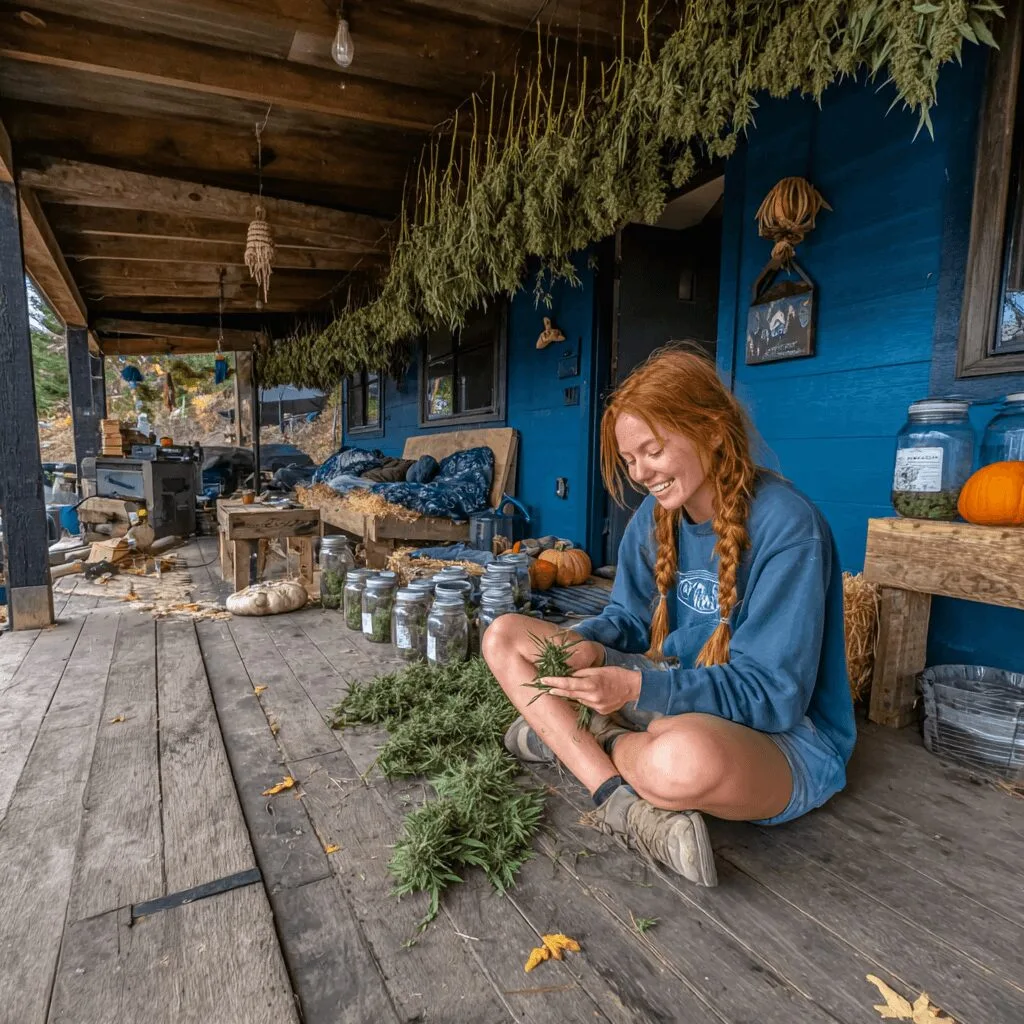
But legalization created a labyrinth of new challenges, including taxes, licensing, compliance audits, and a market filled with big-money competitors. According to Marijuana Moment, nearly half of legacy Humboldt growers struggled to obtain full state permits. Even as the legal landscape became more accepting, rural growers coped with patchwork regulations, shifting zoning, and tough enforcement. Yet, the Humboldt autumn homestead persists, fusing the grit of outlaw tradition with modern compliance, environmental awareness, and old-fashioned country know-how. The result is a culture where harvest means hand-trimmed buds, shared meals, and a deep connection to nature, shaping an environment not unlike those seen in communities striving for equity and real change throughout the cannabis industry by building community-driven opportunities.
Harvest Highlights: News and Realities on the Humboldt Autumn Homestead
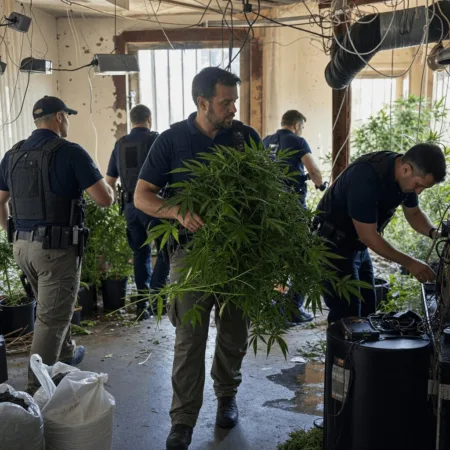
Recent stories, like those reported by Kym Kemp’s Redheaded Blackbelt, bring the Humboldt autumn homestead vibe to life. This past November, small growers recounted the rhythm of harvest as both an age-old ritual and a source of new anxieties. As the sun dips lower and leaves go gold, homesteaders gathered friends and family for trimming sessions, preserving the unique quality of Humboldt’s microclimates. Many also spoke candidly about the stress of inspections and the pressure to stay compliant in a cutthroat market, a theme echoed in news roundups highlighting the pivotal events shaping cannabis communities.
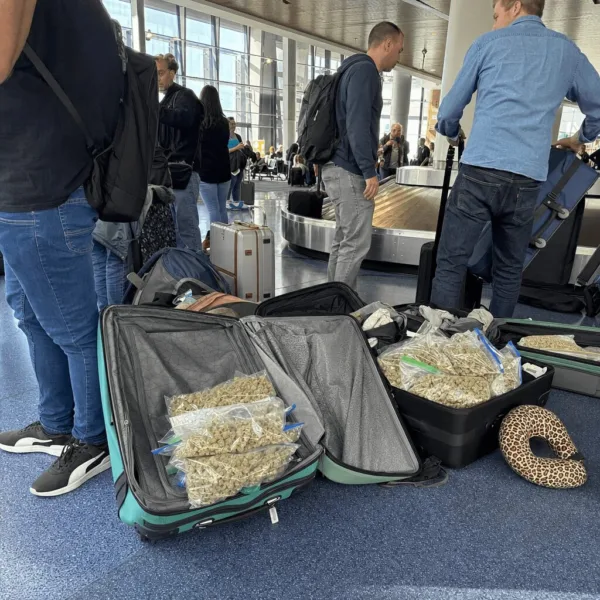
On the regulatory front, California’s Department of Cannabis Control in 2023 began rolling out updates to simplify licensing and boost support for legacy producers. Yet, as industry reporters observed on Leafly, market consolidation and price drops left many small farmers worried whether they’ll survive another season. Still, news outlets and advocates point to the resilience found on every Humboldt autumn homestead: resourceful workarounds, tough neighbor-vetted solutions, and a stubborn pride in quality over mass production, which can spark debate among regional communities, much as we’ve seen in cases involving major seizures and their broader impacts involving enforcement-induced debates.
Expert Take: What Humboldt Autumn Homestead Stories Mean for the Industry
Experts agree that the Humboldt autumn homestead is more than just an Instagram backdrop, it’s the living blueprint for sustainable, community-focused cannabis. “You can’t replace the tradition and biodiversity nurtured on these homesteads,” said Michael Steinmetz, founder of Flow Kana, in a feature for Forbes. “They’re what set California apart in the global market.” As Steinmetz and others have noted, the future of craft cannabis likely depends on protecting these small farms from overregulation and monopolization, a reality that hits close to home when regulatory changes affect who can participate in cultivation, as seen in the evolving hemp licensing processes for regional farmers and consumers.
At the same time, researchers at UC Davis highlight that the Humboldt autumn homestead model delivers outsized environmental benefits, using polyculture, waterwise irrigation, and organic soil stewardship (UC Agriculture and Natural Resources). Industry leaders agree: if California wants to keep its competitive edge, it must prioritize the voice of real Humboldt autumn homestead owners over large-scale, corporate interests, and take into consideration the broader context of community equity when building policy for the future .
Humboldt Autumn Homestead: Looking Forward With Hope and Grit
Where does that leave the Humboldt autumn homestead for 2024 and beyond? There’s every reason for optimism, even as challenges remain. Increasingly, state legislators are listening to small farmers, opening grants for sustainable methods, and streamlining compliance efforts. Social acceptance continues to rise, and craft-grown cannabis from Humboldt is still sought out by educated consumers nationwide. As Marijuana Business Daily reports, consumers are willing to pay more for transparency and terroir – exactly what Humboldt autumn homesteads deliver. In the end, it’s the grit, warmth, and borderline stubbornness of these homesteads that keeps the culture — and the industry — moving forward.
Originally reported by: kymkemp.com

1 Comment
Pingback: Cannabis Licensing Legal Challenges: What You Need to Know