





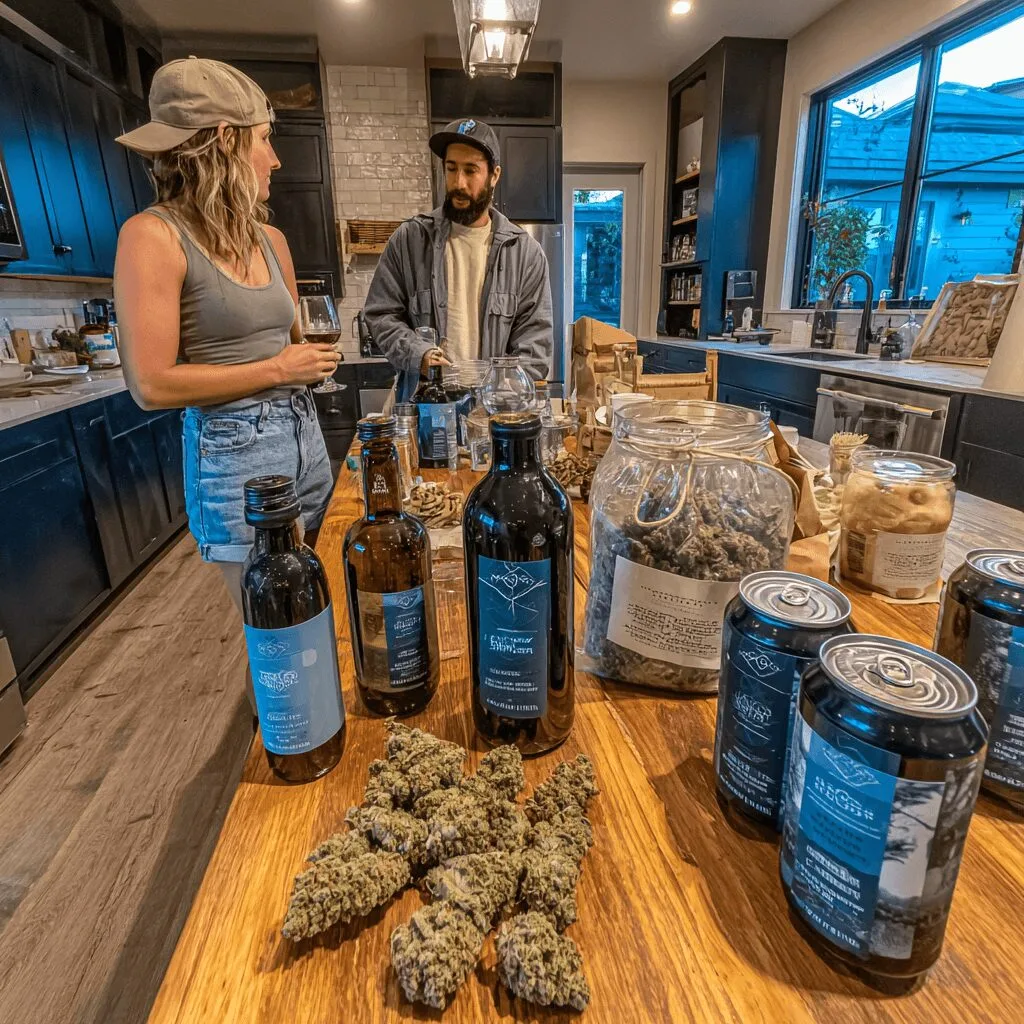
Hemp-derived THC drinks are making waves in the U.S., especially as Congress debates new regulations that could reshape the entire industry. These innovative beverages are popping up everywhere, from hip bars to mainstream grocery stores, and their popularity is raising urgent questions about legality, public health, and market oversight. As lawmakers scramble to close loopholes in the Farm Bill, consumers and brands alike are watching closely, anxious to see how these changes could impact the fast-growing market for hemp-derived THC drinks. Let’s break down what’s happening, why it matters, and what’s at stake for cannabis culture nationwide.
The Evolving Legal Landscape Around Hemp-Derived THC Drinks
To understand why hemp-derived THC drinks are suddenly in the spotlight, it helps to look back at the 2018 Farm Bill. This landmark legislation legalized hemp at the federal level, so long as the final product contains no more than 0.3% delta-9 THC by dry weight. This opened doors for a whole new category of THC-infused seltzers, sodas, and sparkling waters that technically fall within the legal limit. But here’s the twist, many of these drinks pack enough THC in each can or bottle to provide noticeable psychoactive effects, thanks to clever formulations and serving sizes. Marijuana Moment and other cannabis advocacy outlets have documented the explosive growth and patchwork of state responses. The mini-boom in hemp-derived THC drinks has blindsided traditional alcohol companies, challenged enforcement agencies, and fascinated cannabis fans across the country, as recent events in Michigan’s beverage market highlight pivotal debates about control and regulation among industry players and regulators.
Congressional Scrutiny and The Farm Bill Loophole
In early 2024, the hemp-derived THC drinks debate landed squarely in Congress as part of Farm Bill updates. According to The Food Institute, lawmakers are specifically targeting the loophole that has allowed these beverages to flood shelves. The proposal aims to clarify that products containing intoxicating amounts of THC, regardless of origin, should face stricter oversight. Major players like Cann, Cycling Frog, and other THC drink brands have rapidly expanded distribution, prompting states like Minnesota, Texas, and Illinois to adopt their own patchwork rules—mirroring the chaos small businesses faced after regulatory crackdowns elsewhere, as seen when Indiana enacted its own ban on hemp-derived THC products. The FDA and DEA have been slow to react, leaving many questions open about interstate commerce, consumer safety, and the role of federal enforcement. According to Politico, bipartisan concern remains high over youth access and unclear labeling. Recent FDA statements cautioned consumers about potential health risks, and in May 2024, key House leaders called for comprehensive federal reform. All eyes are now on how Congress will balance consumer choice, public health, and a still-nascent industry.
Expert Analysis and Real Talk on the Hemp-THC Boom
So, what does all this add up to? The legalization loophole wasn’t just clever lawyering, it was a recognition that cannabis innovation won’t be boxed in. As Leafly reports, hemp-derived THC drinks are giving adults safer alternatives to alcohol and allowing for social, discreet consumption almost anywhere. “This is a disruptive moment for both the beverage and cannabis industries,” said Amanda Reiman, PhD, a researcher and policy director at Drug Policy Alliance. “If Congress wants to be taken seriously, they need to listen to consumers who’ve already voted through their dollars and actions.” Many experts argue that moves to ban or restrict hemp-derived THC drinks are knee-jerk reactions that fail to address the bigger social shift toward normalized, regulated cannabis. For example, the Massachusetts debate over anti-cannabis campaigns underscores ongoing tension between regulation and acceptance. Meanwhile, legacy cannabis brands see a rare opportunity for partnership, not just corporate competition, as alcohol, soft drink, and hemp players all eye this category. Regulators must walk a tricky line, exclude these beverages and the illicit market wins, overregulate and innovation dries up. It’s a classic case of the law catching up to cultural change.
Looking Ahead: The Future of Hemp-Derived THC Drinks
The future of hemp-derived THC drinks looks unpredictable—but also full of promise. Despite the present confusion in Congress, most experts believe that the tide of public support and economic opportunity will eventually force lawmakers to establish clear, fair rules. As consumer demand rises and states work out the kinks, we’ll likely see more consistent labeling, safety testing, and retail oversight. The cannabis beverage market could see exponential growth, with regulatory improvements and increased normalization paving the way forward. According to Statista, the U.S. hemp-derived product market is set for serious expansion—especially if Congress gets it right this time. In the end, hemp-derived THC drinks represent more than just a regulatory quirk; they’re proof that cannabis culture thrives on innovation, social connection, and common sense. Here’s to a future where hemp-derived THC drinks are enjoyed safely, responsibly, and legally across America.
Originally reported by: foodinstitute.com


