





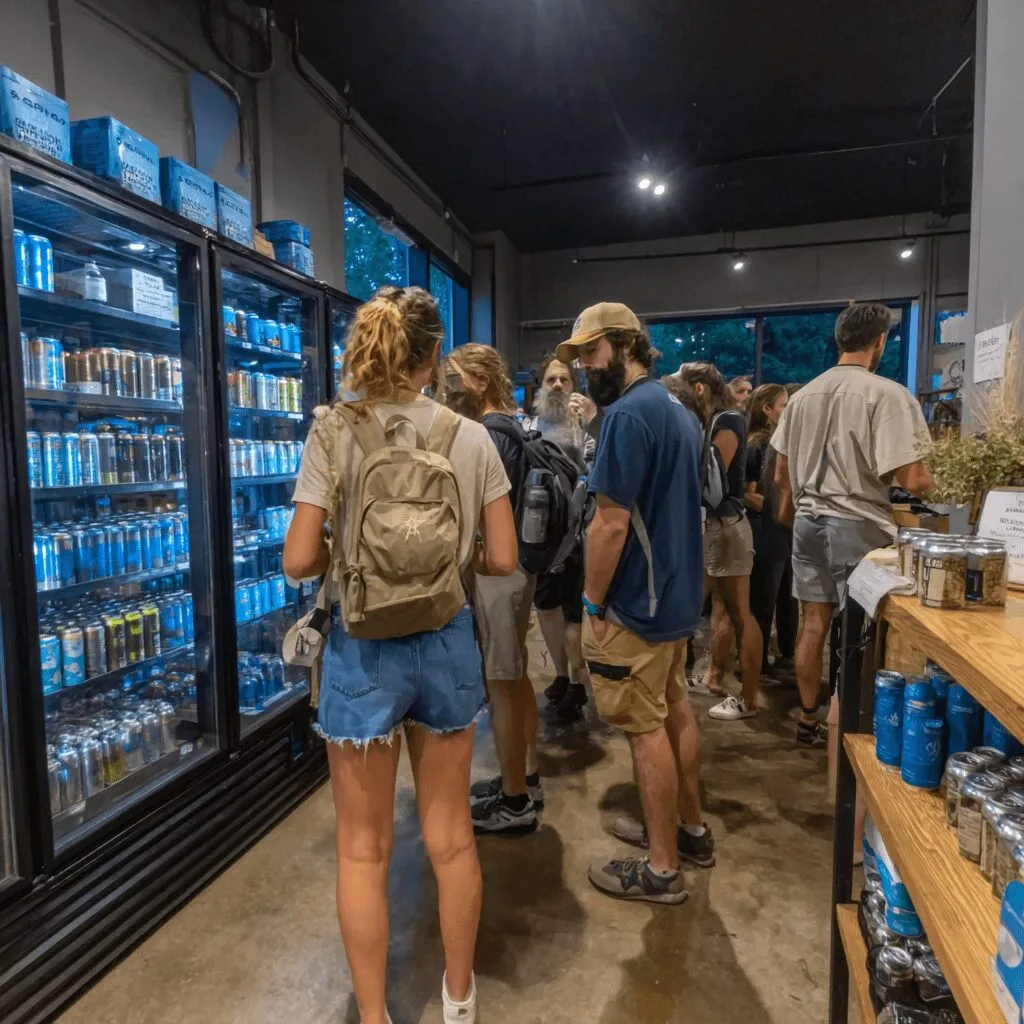
Michigan THC beverage control: What It Means for Cannabis Lovers
It seems like every week, Michigan’s cannabis scene drops another headline — but lately, it’s all eyes on THC drinks. Why? Michigan THC beverage control is front-and-center, stirring up real tension between cannabis enthusiasts and the established alcohol industry. With new regulations on the horizon and market growth at stake, this debate isn’t just about product placement; it’s about who gets the keys to Michigan’s booming beverage market. In this article, we’ll break down what’s at stake, what’s driving the buzz, and how this might shape the future of cannabis and alcohol in the state.
The Backstory: Michigan’s Regulatory Push and Beverage Innovation
Michigan has evolved into a top-tier cannabis market since legalizing recreational weed in 2018, but with great growth comes new regulatory puzzles. As MJBizDaily points out, the demand for innovative products, like THC-infused seltzers and gummies, has skyrocketed. As this sector grows, the debate around hemp-derived THC and the ambiguity in cannabis laws has intensified, leading regulators to safeguard consumers while nurturing business potential. Liquor and cannabis laws, which once lived in totally separate worlds, are suddenly colliding, and Michigan THC beverage control is the new hot-button topic. Traditional alcohol wholesalers want in on the action, aiming to handle THC drinks with the same exclusivity they enjoy with beer. Meanwhile, the cannabis community worries that this could lock out dispensaries, sideline local brands, and stifle innovation. Socially, Michigan’s reputation as a beer state is being challenged by a new, greener wave of wellness and recreational users, both calling for a fresh regulatory approach (Detroit News).
Key Events: The Genesis of the Michigan THC Beverage Control Debate
The story really took off in early 2024, following a bold move by the Michigan Beer & Wine Wholesalers Association. According to Crain’s Detroit Business, these industry heavyweights lobbied state lawmakers to require that all Michigan THC beverage control pass through their hands before reaching consumers. The maneuver by beer distributors drew parallels to enforcement seen in other states, much like how local hemp law responses have forced retailers to adapt elsewhere. Cannabis advocates—and companies like Detroit’s Pleasantrees dispensary—have publicly opposed the proposal, stating that it would strip dispensaries of a key growth market and give alcohol wholesalers unprecedented leverage. As of April 2024, lawmakers are still mulling changes: bills have been introduced in Lansing but not yet voted on, leaving both sides in limbo. Meanwhile, Michigan’s cannabis sales topped $3.1 billion in 2023 (Michigan Marijuana Report), with infused beverages quickly becoming the industry’s latest darling. Both the Michigan Department of Licensing and Regulatory Affairs and national trade groups are openly weighing in as the debate intensifies.
Expert Insights: What the Battle Means for Cannabis, Consumers, and the Market
Let’s cut through the haze, Michigan THC beverage control is about a lot more than who stocks the shelves. As the High Times editorial board puts it, “Cannabis-infused beverages are disrupting more than just taste buds—they’re upending who has access, who gets paid, and who’s in control.” Some experts say the evolving regulatory landscape mirrors other wellness debates, much like the recent controversies surrounding psychedelics and longevity in wellness culture. If laws favor alcohol wholesalers, smaller cannabis producers would likely face tighter margins, higher costs, and diminished innovation, says Jamie Lowell, co-founder of The Botanical Company. Rapid sales growth—over 40% in Michigan this past year, according to Headset.io—shows the appetite for such products. If regulatory power swings too far toward the alcohol sector, expect slower innovation, fewer choices for consumers, and continued public debate, on both sides of the cooler. As Lowell tells the Detroit Metro Times, “Cannabis beverages shouldn’t face beer’s old guard at every turn, so let the market and customers decide who wins.”
What’s Next: Optimism and Opportunity for Michigan THC Beverage Control
Despite all the tension, the conversation around Michigan THC beverage control reflects how far both consumers and lawmakers have come. As reported by Marijuana Moment, there’s a growing appetite for regulatory solutions that support small businesses, protect consumers, and avoid industry monopolies. Forward-thinking reforms are on the table, with many lawmakers open to innovative distribution models—like allowing regulated direct-to-dispensary sales alongside traditional routes. While no final decision has landed yet, it’s clear that Michigan’s cannabis industry isn’t backing down. Advocates remain optimistic that, as public support grows, so will the freedom to innovate and compete on a level playing field. In short, Michigan THC beverage control isn’t just bureaucracy—it’s the latest sign of a maturing industry capable of tackling tough debates and coming out even stronger.
Originally reported by: crainsdetroit.com



1 Comment
Pingback: Cannabis Community Thanksgiving Meals: Join the Heartfelt Giving!