





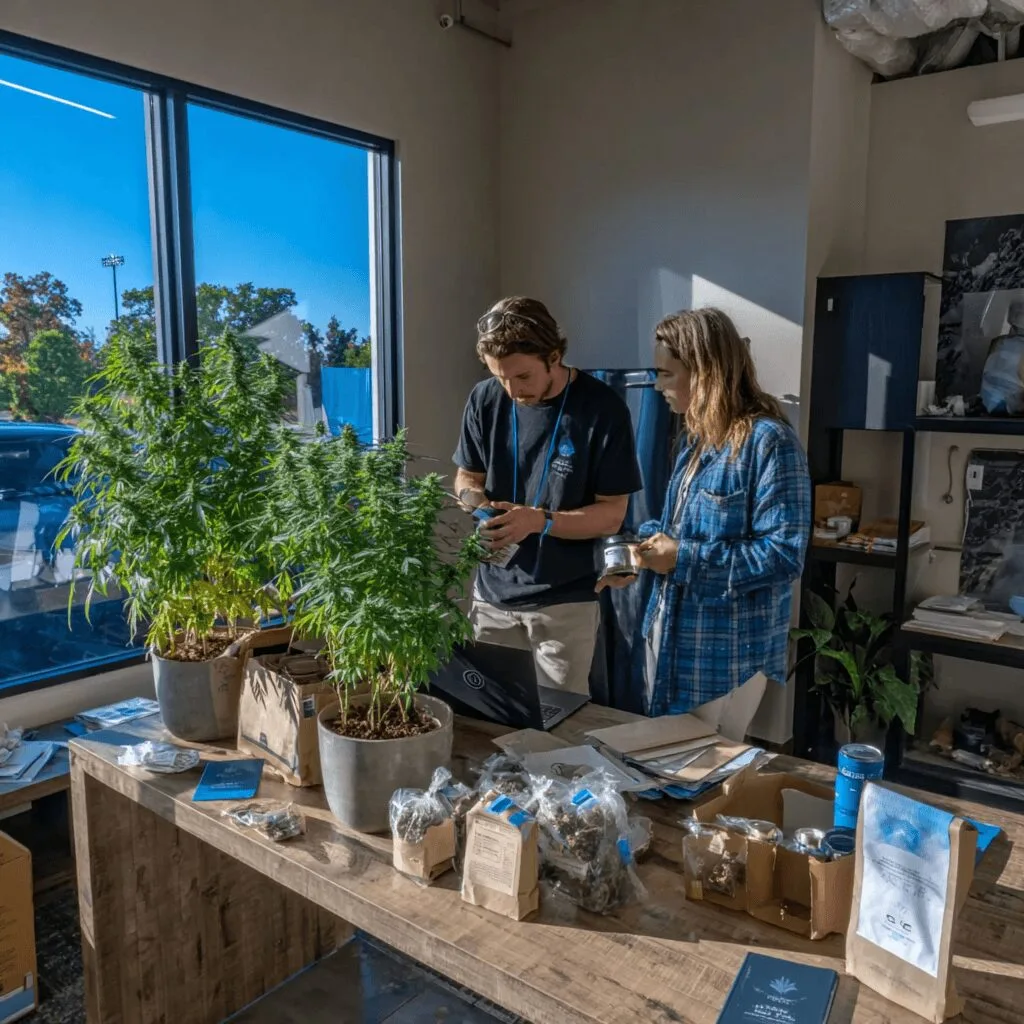
Hemp Companies Marijuana Genetics: What You Need to Know Now
The cannabis world is buzzing as hemp companies marijuana genetics spark new opportunities and challenges. Shifting US regulatory guidance put genetics transfer in the spotlight, shaking up both legacy operators and upstarts. From keeping pace with legal changes to making the most of hidden loopholes, everyone in the game is paying attention. In this guide, you’ll get the scoop on the rules, real risks, the latest developments, and why hemp companies marijuana genetics are essential to the industry’s future. Let’s break down what this means and what comes next—no corporate suits, just straight-up cannabis culture and expertise.
The Regulatory Landscape Behind Hemp Companies Marijuana Genetics
Here’s the lowdown: US law draws a razor-sharp line between hemp and marijuana, mostly due to the 2018 Farm Bill (straight from the FDA). Under this rule, cannabis with less than 0.3% THC is federally legal as hemp, but above that, it’s marijuana, still a Schedule I drug. That technicality puts hemp companies marijuana genetics in a gray area, especially when genetics (like seeds and clones) cross borders or state lines. Recently, federal agriculture authorities and the DEA tightened controls, scrutinizing seeds and other plant materials. But, as experts at NORML and researchers at Colorado State University point out, genetics are the backbone of innovation in the legal cannabis space. Global hemp markets are moving fast, too, with countries battling for genetic diversity and intellectual property while US policy evolves. If you’re running a grow or lab, understanding the heated debates around local cannabis regulations is crucial, especially after recent moves such as Florida’s hemp THC restrictions, which have their own ripple effects across the country (see how Florida’s ban impacts the local industry). Navigating this territory is suddenly make-or-break for success.
Key Developments: Legal Changes and Industry Action
Here’s where the story gets wild. In late 2023, the DEA re-clarified its stance: cannabis seeds are only considered hemp if they contain less than 0.3% delta-9 THC by dry weight, regardless of intended use (Marijuana Moment report). They declared that after January 1, 2025, hemp companies have just one year to import, export, or otherwise transfer marijuana genetics in and out of the US. Harris Sliwoski’s legal analysis highlights a possible loophole: when genetics are physically in the US but not yet designated as commercial marijuana, they could legally circulate as hemp material, making this a true regulatory chess match. Leading operators like Phylos Bioscience and Canopy Growth are now hustling to secure or move their valuable strains before new cutoff dates. The USDA’s new guidance triggered a scramble in seed banks, with Colorado, Oregon, and Kentucky growers all watching state regulators closely. For hemp companies marijuana genetics, recent breakthroughs in THC-free plant breeding are particularly relevant, as gene editing aims to keep breeding programs on the right side of evolving laws (explore the science behind THC-free hemp genetics). Trade groups like the Hemp Industries Association warn this process could shake up supply chains nationwide. In short, hemp companies marijuana genetics face a major compliance puzzle as the transition deadline approaches.
Expert Insights: The Real Impact on the Industry
This shift in hemp companies marijuana genetics policy isn’t just regulatory whiplash, it’s reshaping the whole scene. Jason Ortiz, president of Minority Cannabis Business Association, told Leafly: “Genetic diversity is critical, and locking it down with rushed deadlines puts local breeders at a disadvantage.” He’s got a point. With a one-year window, only the well-resourced players are positioned to comply or innovate around these sudden deadlines. Meanwhile, issues of intellectual property, local genetics preservation, and international competition come front and center. Industry leaders warn that ham-handed enforcement could drive the best genetics underground, undermining the legal market’s credibility and harming small businesses. That’s similar to what’s been happening in regions where a strong aroma or effect profile has influenced the public’s perception of cannabis products, showing that consumer interest, science, and regulation are always evolving together (see how cannabis aroma research is shaping industry trends). On the bright side, some cannabis attorneys remind us that regulatory shakeups often trigger waves of creativity and collaboration among growers. As one Colorado breeder quipped, “When life gives you lemons, breed a new strain.” If hemp companies marijuana genetics stay sharp and nimble, America’s cannabis scene could come out of this stronger and more diverse.
Looking Forward: Genetics, Growth, and Greater Clarity
Despite recent headaches, hemp companies marijuana genetics remain at the heart of real industry growth and innovation. Regulatory uncertainty might feel like a cloud, but history—and industry veterans like Hemp Industry Daily—show that transparent policy, science, and culture win in the end. As US policy adapts and global genetic exchange keeps evolving, expect a new era of collaboration and sustainable progress. Public perception is shifting, and more states are eyeing full legalization, which should ease the paperwork chaos. By staying adaptable and informed, breeders, farmers, and companies can drive the cannabis revolution forward together. One thing’s for sure: hemp companies marijuana genetics will shape the next chapter in both law and culture. It’s a solid bet—like rolling a joint with the perfect blend.
Originally reported by: harris-sliwoski.com


1 Comment
Pingback: CBD access Wisconsin families: What you need to know now