



CBD access Wisconsin families: What you need to know now
In Wisconsin, access to CBD has become a hot topic as families navigate shifting state and federal landscapes. Recent headlines highlight that “CBD access Wisconsin families” faces growing confusion, tightening regulations, and emotional fallout—especially after new federal hemp rules cast uncertainty on once-reliable products. For parents seeking relief for their kids or seniors managing pain, the stakes have never felt higher. This guide breaks down what’s really happening, why it matters, and what Wisconsin families can do as the story evolves.
The Roots of Confusion: Regulatory & Market Context
CBD access Wisconsin families
CBD access Wisconsin families has always rested in a strange balancing act between state openness and federal ambiguity. While hemp was federally legalized by the 2018 Farm Bill, local enforcement and policy have never been simple. Despite national acceptance, over 91% of Americans supporting cannabis use or legalization according to Pew, Wisconsin’s statutes remain among the most restrictive in the Midwest. Hemp-derived CBD, widely available since 2018, carved out a fragile lifeline for many families. But in 2024, confusion reigns. The surge of federal scrutiny, increasing pressure from the DEA, and ambiguous local policing all impact everyday people. The complexities echo similar challenges seen in other markets, where legal issues around hemp companies and the genetic landscape of marijuana continue to shape new laws. Add in Wisconsin’s rural makeup, where access to health resources is already limited, and you see why ensuring CBD access for Wisconsin families is more than a policy debate, it becomes a daily question of well-being for thousands.
Current Events: Ban Fallout & Family Struggles
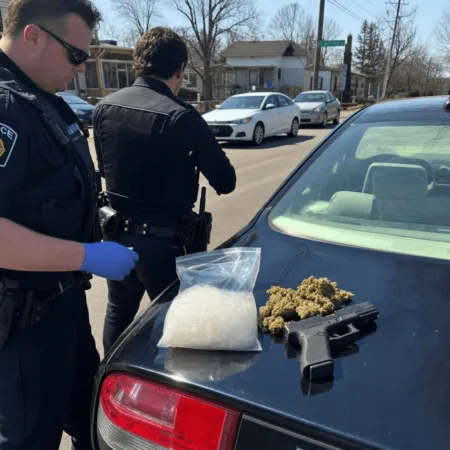
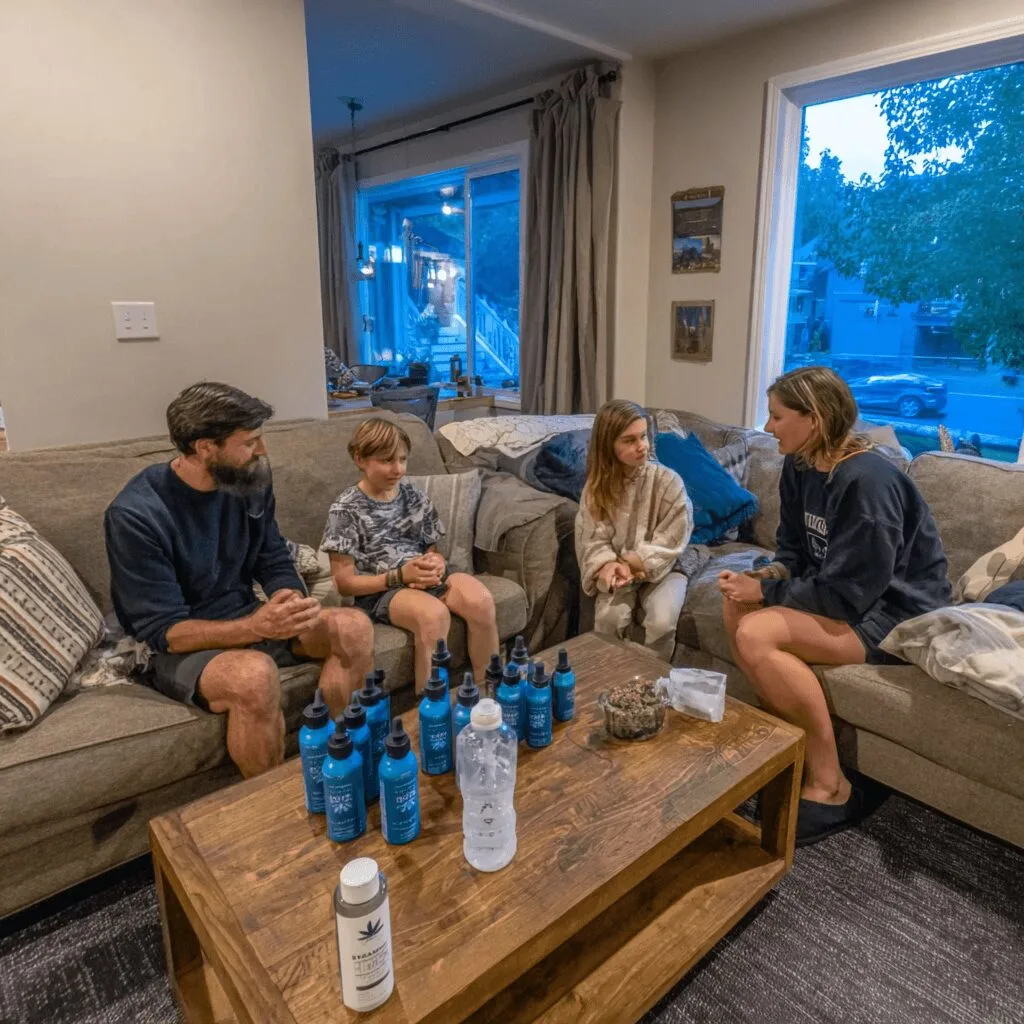
According to a recent TMJ4 News investigation, confusion peaked after new federal guidance prohibited certain hemp-derived CBD products, including some with trace THC or questionable labeling. Local Wisconsin families—like the Kasten family highlighted in the report—relied on CBD to manage their son’s severe epilepsy. They found relief from debilitating daily seizures when traditional medicine failed. But after the federal crackdown, many stores pulled products overnight, and doctors grew hesitant to advise on legality. Businesses like Trulieve and regional retailers—often the only option in rural counties—faced a patchwork of enforcement. Details such as the product seizures in Milwaukee during May 2024 and consumer guidance shifts from the FDA and Wisconsin DATCP became almost weekly. The confusion and impact on families are reminiscent of industry-wide debates in states like Florida, where THC bans have sparked similar debates about what’s at stake for local industry. The phrase CBD access Wisconsin families was top-of-mind in newsrooms, courtrooms, and at kitchen tables alike.
Expert Insights: Why Clarity Matters and What’s Next
Industry veterans and patient advocates see this saga as emblematic of a bigger U.S. cannabis quandary. As Leafly News has covered, the shifting legal sands hurt families worst, not just businesses: “When regulation is vague or unstable, real people lose access to relief they depend on,” explains cannabis law expert Rachel Gillette (Vicente Sederberg LLP). She adds, “CBD access Wisconsin families story matters because it shows how federal inconsistency can cause hardship on the ground, even when the intention is safety.” Meanwhile, according to NCSL reports, Wisconsin is one of only a handful of states with neither broad medical cannabis laws nor full recreational programs. This scenario puts local retailers in a complex position: follow uncertain regulations or risk lives by withdrawing safe, tested products. There’s a growing call for practical, nuanced solutions, as seen in other markets where relaxed product categories like functional THC are changing the landscape. Industry leaders and advocates hope lawmakers will devise clear guidance instead of reactionary bans, underscoring why CBD access for Wisconsin families remains a crucial issue nationwide.
Pro-Cannabis Perspective: Facts, Nuance, and Hope
It’s easy to see regulatory crackdowns only in a negative light. However, there are strong arguments for smart controls—ensuring product quality and keeping bad actors out. Demonizing CBD, though, hurts far more than it helps. Cannabis has been shown to have a wide safety margin; NIDA and other federal agencies document low risk profiles for pure, regulated products. Calls for outright bans or inconsistent enforcement end up punishing Wisconsin families instead of criminals. Wise advocates instead push for solutions such as stricter testing, transparent labeling, and distinct legal frameworks for hemp versus marijuana. Even the national conversation touches on related concerns—like how regulation impacts health risk awareness for teens and parents. Parents and patients seeking CBD access Wisconsin families deserve clear education and steady legal access, not panic or arbitrary crackdowns. In the meantime, documentation, verification, and working with licensed professionals are recommended for all families who rely on CBD.
What Comes Next: Optimism Amid Uncertainty
Despite setbacks, the future for CBD access Wisconsin families is not bleak. Policymakers nationwide are catching up to science and public demand. Neighboring states’ successes could catalyze similar progress in Wisconsin. The loud, lived stories of affected families are shifting the debate from theory to real-world impact. According to NORML, momentum for evidence-based reforms is gathering. That means clearer state rules, more reliable product testing, and—critically—protected access for those who depend on CBD. As a cannabis community, we’re hopeful that Wisconsin will soon exchange panic for progress, and confusion for compassionate clarity.
Originally reported by: tmj4.com