





Hawaii cannabis legalization debate: What’s at stake?
The Hawaii cannabis legalization debate is heating up right now, capturing the attention of lawmakers, businesses, and island communities. With shifting tourism trends and new legal reforms rippling across the nation, Hawaii’s unique culture and economic landscape face pivotal change. Stakeholders are gathering to hash out real-world concerns—from business impact to public health—all amid growing momentum for full legalization. Let’s dig into why this debate matters, what’s driving it, and what could be next for Hawaii’s cannabis scene.
How Hawaii Got Here: The Context Behind Cannabis Legalization
To understand the current Hawaii cannabis legalization debate, you have to look at the islands’ regulatory evolution and complicated social landscape. Hawaii has allowed medical cannabis since 2000, placing it among early adopters in the U.S. However, legal recreational use remains off the board. In recent years, states like Illinois and California have paved the way with bold adult-use policies, pushing Hawaii’s leadership to rethink outdated laws. Meanwhile, local stigma and federal prohibition still weigh heavy, complicating change. Economic pressure looms large: Hawaii’s economy relies on tourism but faces dips from shifts in Japanese visitor numbers and post-pandemic travel snapbacks, as noted by Honolulu Star-Advertiser. Tack on rising local demand for reform, racial equity issues, and ongoing black market activity, and you see similar pressures in other states, like what happened in the Woodward County marijuana bust that shook its local scene. It’s a classic island paradox that’s tough, and crucial, to untangle.
Key Developments: Breaking Down Recent Moves in the Hawaii Cannabis Legalization Debate
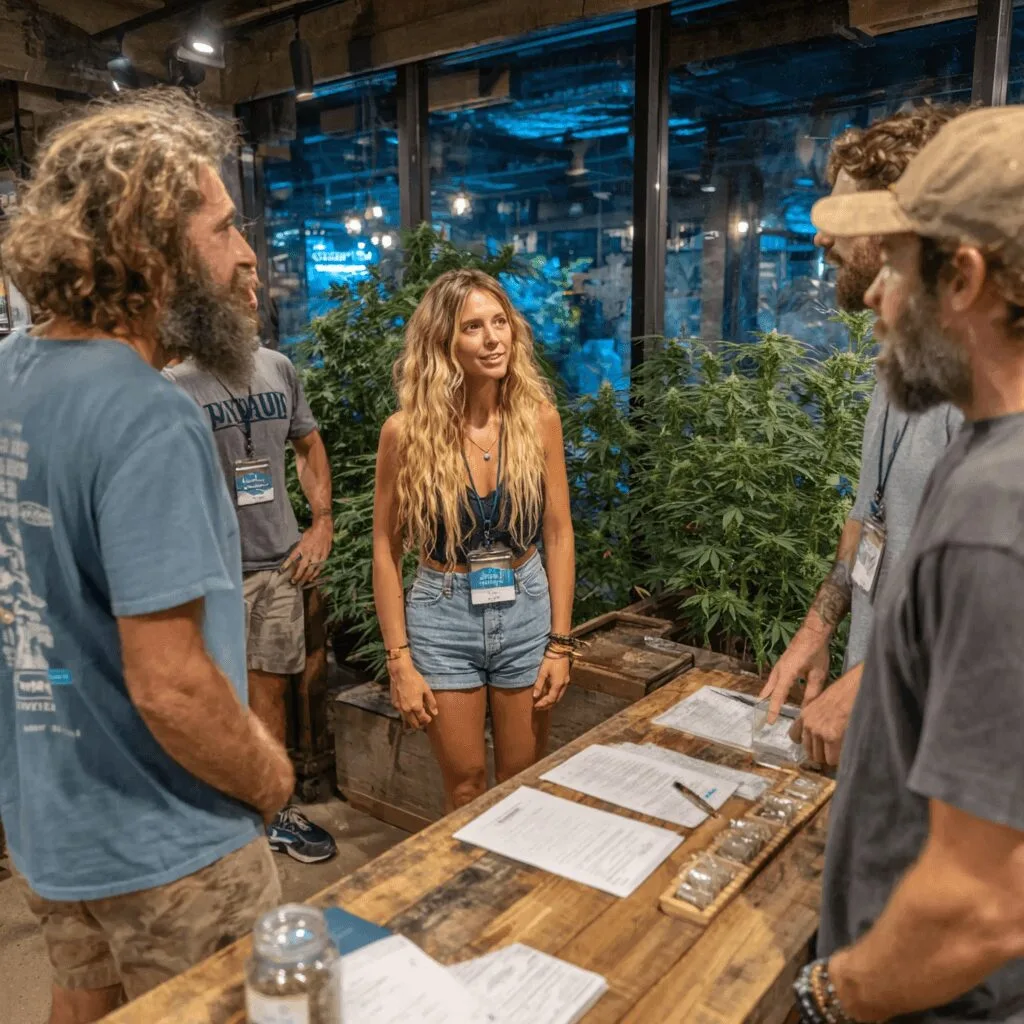
The original story highlights how the Hawaii cannabis legalization debate has shifted in 2025 with lawmakers under new pressure thanks to shifting tourism patterns, particularly from Japan. According to Pacific Business News, local business owners and policymakers met on October 17, 2025, to assess the impact of legalization on tourism revenue. Some businesses, wary of losing conservative Japanese visitors, voiced real concerns about possible dips in key revenue streams—similar concerns were recently raised in other industry news, as seen in the debate over whether Michigan’s marijuana license cap acts as a barrier or a benefit.
Yet, proponents see opportunity in attracting a younger, wellness-oriented market. Lawmakers discussed multiple models, ranging from tightly regulated retail to visitor-specific consumption lounges, mirroring frameworks in states like Oregon. The meeting also spotlighted public health, enforcement budgets, and social equity measures similar to those found in California’s regulations, and elsewhere around the country, ongoing shortages—like the current dispensary cannabis shortage facing Minnesota—continue to inform policy discussions. Legislators emphasized wanting to avoid pitfalls seen elsewhere, holding open community forums in Honolulu and Maui. New legislation is expected for debate in the 2026 legislative session, signaling that Hawaii’s policy battles are just warming up.
Expert Analysis: What’s at Stake for Hawaii’s Business and Cannabis Futures?
From an insider’s perspective, the Hawaii cannabis legalization debate is about more than just bud, it’s about future-proofing economic resilience and social equity. As Dr. Sabrina Fong, a Hawaii-based economist specializing in tourism, said in Hawaii News Now, “Legalizing cannabis provides both risk and reward. It could diversify our tourism economy and create new jobs, but only if well-regulated to respect all stakeholders.” In markets like Colorado, research from NORML and Marijuana Moment shows tourism can actually grow post-legalization, especially when education and regulation align with local values, similar to Colorado’s efforts with THC-infused craft beer pioneering new frontiers in the state. Hawaii’s uniquely tight-knit communities mean every step must be thoughtful. National industry trends are proving the retail cannabis market can be both lucrative and manageable, but as always, neglecting social equity—especially for Native Hawaiian and Pacific Islander communities—risks repeating past injustices, an issue advocates aren’t letting slip by. The Hawaii cannabis legalization debate, then, is as much about restoring justice and building new industries as it is about expanding consumer choice.
The Road Ahead: Optimism in Hawaii’s Cannabis Climate
The Hawaii cannabis legalization debate is far from finished. Yet, with the steady drumbeat of legislative reform nationwide and grassroots activism blossoming on the islands, there’s real momentum. According to experts at Leafly, social attitudes are rapidly shifting in favor of regulated cannabis markets. Hawaii stands at the crossroads: Will it lead with cultural sensitivity and economic innovation? As the conversation grows, hope is high that Hawaii can blaze a trail that honors both tradition and progress.
Originally reported by: bizjournals.com



3 Comments
Pingback: Cannabis Opioid Substitution Cancer: What Patients Need to Know
Pingback: Cannabis Opioid Substitution Cancer: Game-Changing Insights
Pingback: Calexico Cannabis Permit Moratorium: What You Must Know Now