




Georgia Medical Marijuana Regulation: What You Must Know
Ever feel like navigating Georgia medical marijuana regulation is like rolling a fat one and realizing you’re out of papers? You’re not alone! Cannabis reform is surging nationwide, and Georgia’s been making some major moves. This isn’t just a legal buzz. For patients, businesses, and advocates, what’s happening with Georgia medical marijuana regulation right now could finally provide real relief and open real doors in the Deep South. Stay tuned as we break down new rules, why they matter, and where it all could lead for Georgia’s green future.
Understanding the Roots: Georgia’s Cannabis Regulatory Landscape
When it comes to Georgia medical marijuana regulation, let’s be blunt—it’s complicated. While some states have been living that ‘legalize it’ dream for years, Georgia started on a strictly limited path. Back in 2015, lawmakers passed the Haleigh’s Hope Act, legalizing low-THC oil (capped at 5%). But this didn’t mean patients could walk into a dispensary and stock up; it only offered protection from prosecution if you were already registered. The actual process for buying medical cannabis products lagged for years due to stalled licensing. According to Marijuana Moment and Georgia government sources, patient numbers have climbed, with thousands signing up hoping for access. Yet high demand, slow state bureaucracy, and confusion over what’s legal have left Georgians (and potential entrepreneurs) in regulatory limbo. Socially, public support for less restrictive laws is broadening, as surveys by Pew Research Center show. Atlanta and other urban areas have moved to decriminalize small amounts for adult use. But full statewide legalization? Not yet. What’s changing, and what does this mean for everyone in Georgia? Let’s break it down.
Key Developments Shaping Georgia Medical Marijuana Regulation
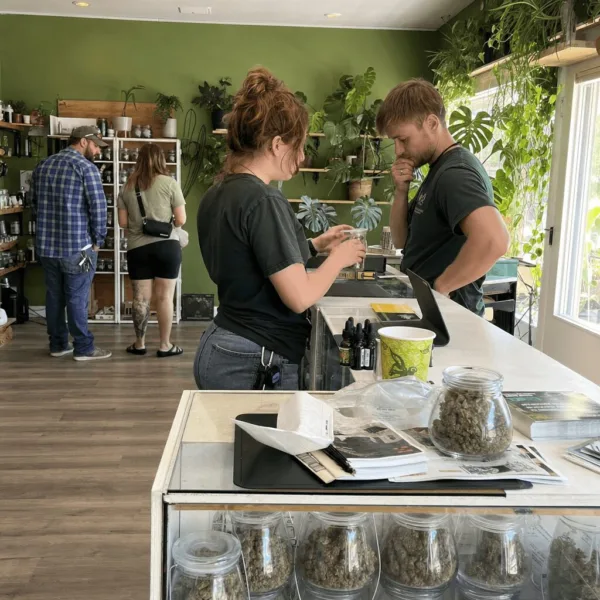
The past year has been anything but boring for Georgia medical marijuana regulation. In May 2023, the Georgia Access to Medical Cannabis Commission approved the first licenses to produce and sell low-THC oil to registered patients, ending an eight-year wait. Six companies—Trulieve, Botanical Sciences LLC, Treevana Remedy, and several others—snagged licenses out of hundreds of applications. Atlanta Journal-Constitution reported dispensaries launched operations in April 2023. As of early 2024, more than 25,000 patients and caregivers are registered, stated in legal filings by the Georgia Department of Public Health. Patients must have one of 18 qualifying conditions, such as severe seizures, Crohn’s disease, PTSD, or cancer, and be certified by a Georgia-licensed physician. Retailers can now legally sell low-THC oil at physical locations, which is huge after years of patient frustration and gray-market risks. But regulatory hurdles linger: under current law, flower, vapes, and edibles (unless infused with oil) remain illegal, and licensed companies face strict location, product formulation, and marketing restrictions. Legal battles and appeals from denied applicants continue, and industry commentators like Leafly News note that ongoing lawsuits could shape future expansions or delays. Local governments also still control whether dispensaries can open in their jurisdictions—so access can look very different in Macon versus Marietta.
Expert Analysis: What Georgia’s Shift Means for Patients and Industry
If you’re a patient or advocate, seeing Georgia medical marijuana regulation finally advance is cause for cautious celebration. Industry analysts with Cannabis Business Times see the licensing as both milestone and start line for more comprehensive reform. Georgia’s uniquely tight framework—medical use only, low-THC oil, heavy oversight—has its drawbacks, but brings new business and hope. “This model focuses on access for the most vulnerable patients, but it’s critical policymakers evaluate barriers and allow more forms of cannabis as science and patient feedback evolve,” said Dr. Ethan Russo, a prominent neurologist and cannabinoid researcher, as cited by Project CBD. By prioritizing patient safety, testing standards, and careful rollout, Georgia stands to learn from states that moved too fast or loose—think early Colorado or California. Industry leaders and policy watchdogs alike expect that as patient demand grows and medical evidence mounts, lawmakers will feel pressure to adapt. In fact, legislative proposals are already circulating to expand eligible conditions, allow edibles, and raise possession limits. Businesses are navigating a tricky landscape, yet are optimistic that patient, provider, and policy wins will drive increased acceptance—especially in the South, where stigma has run deep.
Challenge? Sure. Crisis? Not for Cannabis Advocates
Of course, not all Georgia medical marijuana regulation news is sunshine and smooth hits. Lawsuits from rejected applicants, negative headlines about slow rollouts, and pockets of local resistance still cloud the air. Yet, for every critique, there’s a dose of perspective. The slow pace reflects, in part, a careful effort to craft regulations that avoid the mistakes seen in Florida and Oklahoma, where limited oversight led to gray markets and compliance headaches (see Brookings Institution overview). Rather than dwell on what’s not working, Georgia policymakers can look to best practices: open more dispensary doors, expand product types, and invest in patient education. With demand from veterans, cancer survivors, and families with children who need seizure relief, the public health case for streamlining Georgia medical marijuana regulation keeps growing. If handled right, setbacks can fuel smarter, more sustainable progress.
The Next Step: Georgia’s Green Promise and What Comes After
If history’s taught us one thing, it’s that Georgia medical marijuana regulation will keep evolving—especially as public support, medical research, and state revenues roll in. The mild start with low-THC oil has laid groundwork for more comprehensive access. The ongoing legislative debates and upcoming court rulings could finally bring patients the flexibility they need and open industry opportunities impossible just a few years ago. According to NORML and other long-standing policy experts, patient numbers and dispensary reach are expected to multiply as barriers drop. For cannabis advocates, business owners, and anyone rooting for compassionate health solutions: the Peach State’s path might be slower than some, but the trend is undeniably moving toward broader acceptance, safer access, and—fingers crossed—a future where Georgians can get the care they deserve without all the red tape. Light one for legislative progress, y’all—the best could be yet to come.
Originally reported by pro.stateaffairs.com


