





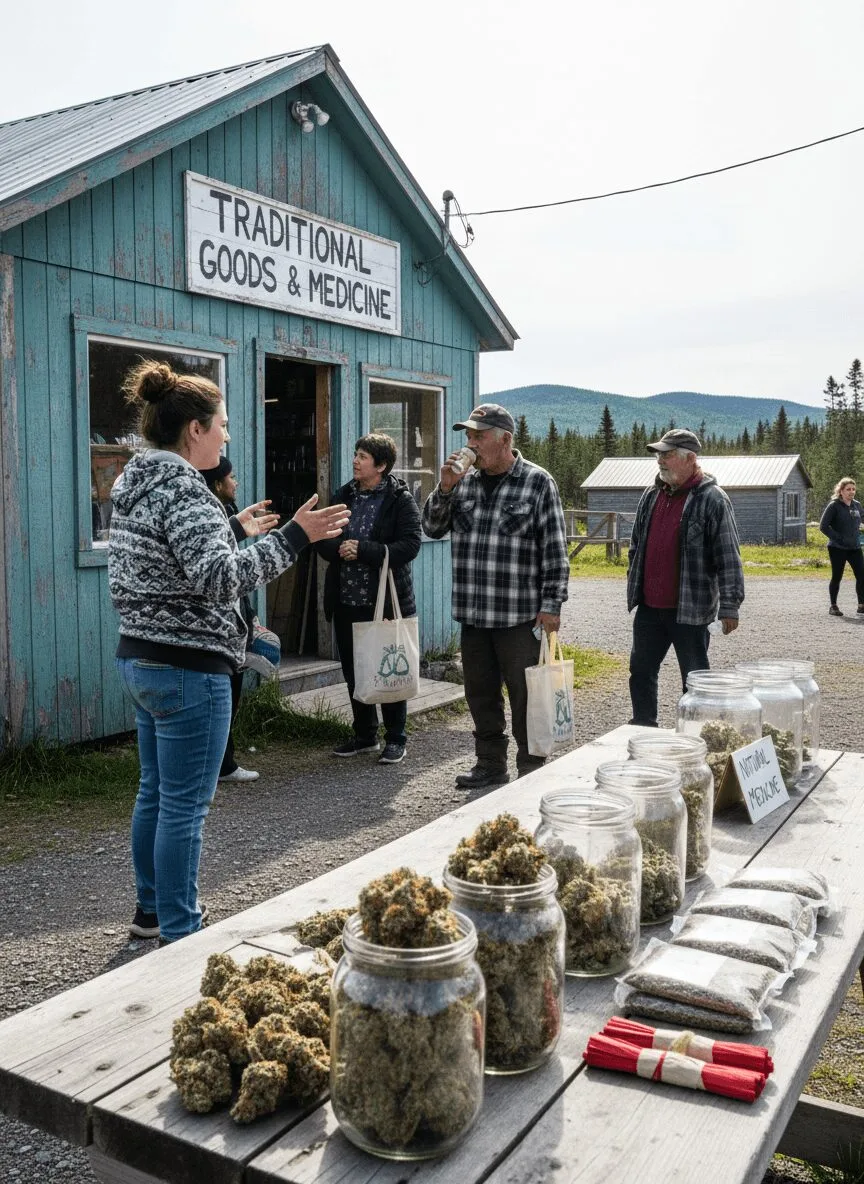
First Nation tobacco cannabis enforcement: What You Need to Know
Let’s talk First Nation tobacco cannabis enforcement—a topic heating up fast in the Canadian cannabis world. Recent pushes for local sovereignty, high-profile government stand-offs, and cross-border supply chain shake-ups mean this subject isn’t going away. This is about more than mere products—it’s about rights, respect, and a new era for cannabis and tobacco. Stick around as we roll through the social, legal, and market layers you need to understand, why Nova Scotia’s Mi’kmaq are standing up, and what this all means for anyone in or around the green space.
Regulatory and Social Background: The Road to First Nation Tobacco Cannabis Enforcement
The roots of First Nation tobacco cannabis enforcement run deep in Canadian law, Indigenous sovereignty, and evolving consumer attitudes. Historically, First Nations have engaged in the regulated and unregulated tobacco trade, a topic both economically important and politically charged [CBC News]. When cannabis entered the scene with federal legalization in 2018, it brought new opportunities and more complex legal questions, especially on reserves. The Cannabis Act granted provinces some wiggle room, but left Indigenous communities advocating for the right to self-regulate sales and enforcement (Health Canada). As more First Nations take enforcement into their own hands, the conversation around who actually holds power in the industry deepens, inviting further exploration here. More recently, First Nations-led operations have spotlighted tensions with provincial and RCMP enforcement, driving a market-wide call for clarity, fairness, and recognition.
Key Developments: The Stand-Off in Nova Scotia and What’s Happening Now
In June 2024, Membertou First Nation, part of Nova Scotia’s Mi’kmaq, made bold headlines by publicly telling both the RCMP and provincial government to steer clear of their community’s tobacco and cannabis sales [Town & Country Today]. Chief Terry Paul cited constitutional rights and the reserve’s authority over local economic development, stating, “Our citizens will decide what’s acceptable. This is community business, period.” The dispute sparked after the province initiated enforcement actions in late May, targeting stores operated wholly by Membertou citizens. In response, the band passed a resolution asserting that outside law enforcement has no jurisdiction over their trade. Major Canadian media [CTV News] widely covered ensuing peaceful protests and negotiations. This is no isolated event, as similar law enforcement pushback was seen in the aftermath of the Middletown Smoke Shop arrests sparking compliance debate. Other bands, like the Mississaugas of Scugog Island, have issued similar statements, putting a national spotlight on the limits of provincial versus Indigenous power on reserves.
Expert Analysis and Cannabis Industry Perspective: What This Means for First Nation Tobacco Cannabis Enforcement
Honestly, the First Nation tobacco cannabis enforcement standoff in Nova Scotia isn’t just a headline, it signals a pivot point for Canadian cannabis. On the one hand, it exposes gaps in how governments engage with Indigenous communities. On the other, it reflects mounting pressure for legislative innovation. Industry experts agree. As Trina Fraser, acclaimed cannabis business lawyer, notes: “The current system just isn’t meeting the real-world needs of First Nations, or the legal clarity operators crave.” (Leafly Canada). Recent analyses by MJBizDaily highlight that federally legal supply chains could boost economic prospects, if regulations respect sovereignty. The ongoing rise in consumer demand and new products means that high potency cannabis is redefining local markets, which you can read more about here. Right now, enforcement inconsistencies can chill business development, discourage investment, and sow distrust. The communities themselves want holistic, culturally relevant frameworks, as fixing this could unlock massive social and economic value for First Nations and the entire industry.
Where We’re Headed: Optimism and Legal Evolution for First Nation Tobacco Cannabis Enforcement
Looking ahead, First Nation tobacco cannabis enforcement will shape the next wave of industry reform. Federal and provincial governments are facing mounting pressure to create collaborative, nation-to-nation frameworks that respect Indigenous law and economic visions (as spotlighted in Canadian Cannabis Retailers Association reporting). The hope? That local leadership and open dialogue will soon replace old-school raids and court battles. As public attitudes shift and social acceptance grows, innovations in policy, retail models, and cross-community trade will keep rolling. For now, it’s clear that true progress—more just, more sustainable—happens only when Indigenous perspectives are front and center. So keep your eyes peeled: the green future is all about equity, empowerment, and partnerships on Canada’s First Nation lands.
Originally reported by: townandcountrytoday.com



1 Comment
Pingback: Shocking Cannabis Shop Burglary Androscoggin: See What Happened