





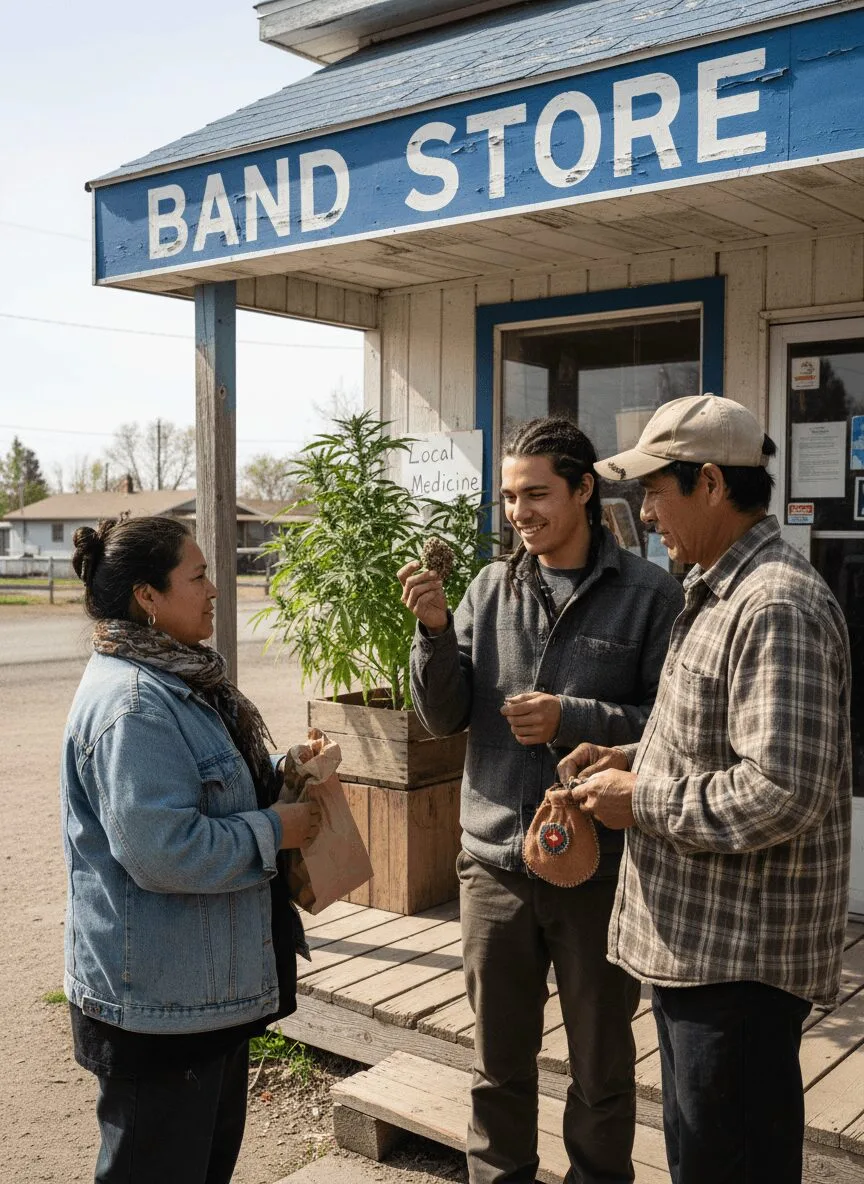
First Nation cannabis enforcement: Who really has control?
First Nation cannabis enforcement is hitting the headlines as Indigenous communities challenge government interference in their cannabis businesses. With shifting laws, changing markets, and recent disputes making news, understanding who holds enforcement power is crucial for industry watchers, policymakers, and advocates. In this piece, we’ll break down the legal disputes, explore First Nations’ self-governance, and see why this discussion is pivotal right now as cannabis becomes more mainstream and regulations remain hotly contested territory.
Understanding the Background: First Nation Cannabis Enforcement, Law, and Tradition
To get the full story on First Nation cannabis enforcement, you need to appreciate how history, sovereignty, and law intersect. Canadian cannabis regulation is complex and layered. The Canadian Charter of Rights and Freedoms provides certain rights to Indigenous nations, while the Cannabis Act sets federal regulations for cultivation, sale, and possession. Each province manages its own rules, but on reserves, Indigenous self-governance is fundamental. Many First Nations claim the right to oversee their own commercial activities—including both cannabis and tobacco—apart from provincial or federal regulations, citing historical treaty rights. These assertions are reflected all across Canada, from communities in Ontario to Nova Scotia, where local leaders often move forward on cannabis retail without awaiting government permission, showing a trend similar to how local markets have shifted with increased demand for high potency cannabis. The end result is a jurisdictional stalemate. Sometimes, the RCMP or provincial authorities intervene, but Indigenous councils continue issuing their own business licenses and guidelines, a scenario recently spotlighted by a CBC News story examining the rise of First Nations-operated dispensaries. Combined with the expanding legal weed market and renewed calls for reconciliation, these overlapping disputes remain prominent.
Latest Developments and Key Issues: Powwow Pitch, Provincial Conflict, and Cannabis Commerce
In November 2023, conflict erupted in Nova Scotia when Chief Justin Martin of the Millbrook First Nation directly instructed provincial authorities and the RCMP to refrain from interfering with local cannabis and tobacco sales (Town and Country Today). The Council affirmed their right to manage commerce within the community, issuing permits and warning against outside police involvement. This approach echoes broader trends, with First Nations from Ontario’s Six Nations to British Columbia’s Shxwhá:y Village developing independent cannabis regulatory systems—sometimes facing enforcement actions, legal disputes, or legislative challenges. The heart of the issue is jurisdiction: who has the authority to license and enforce dispensary standards on Indigenous land? Health Canada’s policy guidance remains unclear, while ongoing debates include tax revenue sharing and public safety concerns. Across the industry, recent incidents like smoke shop arrests sparking compliance debates also highlight the complexity and controversy found at the crossroads of enforcement and Indigenous entrepreneurship. Meanwhile, many argue that sustainable economic growth and meaningful reconciliation depend on respecting the right of First Nations to self-regulate this new market.
Expert Analysis: Power Plays, Community Impact, and Why Cannabis Reform Isn’t Simple
This isn’t merely a legal tug-of-war but rather an ongoing negotiation over autonomy, opportunity, and how new laws are adapted locally. When the subject of First Nation cannabis enforcement is raised, it essentially becomes a touchstone for ongoing conversations about Canadian reconciliation and broader cannabis law reform. As noted by an analysis in MJBizDaily, “First Nations see cannabis as both a symbol of self-determination and a tool for economic sustainability.” Industry expert Tabitha Martens puts it succinctly: “Our people want to own the process—not just play by someone else’s rules. That’s true sovereignty.” Even as some provincial and RCMP officials stress possible risks from dispensaries outside of provincial systems, evidence suggests First Nations often implement strict quality and licensing measures themselves. In fact, recent research on marijuana’s impact, such as important health considerations for patients (what every patient should know about marijuana health risks), underscores why so many communities prioritize their own oversight standards. Amid frequent police actions and persistent legal grey areas, confusion and tension persist, with local entrepreneurs left to navigate ever-shifting rules—and community trust sometimes caught in the middle.
Looking Ahead: Positive Change, Respect, and the Future of First Nation Cannabis Enforcement
The future of First Nation cannabis enforcement looks as dynamic as the plant itself. As calls for reconciliation and legal clarity grow louder, expect more sophisticated Indigenous-led frameworks and stronger industry alliances. Provinces like British Columbia have begun exploring revenue-sharing and collaborative oversight, and legal scholars from the University of Alberta are calling for harmonized laws that respect Indigenous governance. For those of us cheering on progress, it’s about respect, partnership, and letting Indigenous communities lead. With smart policy and open conversation, First Nation cannabis enforcement doesn’t have to be a battleground—it can be a model for smart, inclusive reform. Stay tuned, because if the cannabis market has taught us anything, it’s that growth and change are inevitable.
Originally reported by: townandcountrytoday.com



2 Comments
Pingback: CIF State Basketball Championships: Saturday Passes On Sale
Pingback: First Nation tobacco cannabis enforcement: What You Need to Know