Federal Narcotics Sentencing: What Pensacola’s Case Reveals
Federal narcotics sentencing has exploded into the national spotlight, especially as cannabis culture collides uncomfortably with old-school drug laws. With Florida and states across the country evolving their cannabis regulations, Pensacola’s recent headline-grabbing sentencing shines a harsh, timely light on how federal courts still handle narcotics cases—cannabis included. In this article, we’ll break down the news, decode the real-world impact of federal narcotics sentencing, and lay out what all this means for the future of cannabis legitimacy. Whether you’re a patient, advocate, or industry pro, understanding these changes is absolutely crucial right now.
The Current Climate for Federal Narcotics Sentencing
To really get why Pensacola’s case matters, you need to understand just how tough federal narcotics sentencing rules are, and how they’re impacting cannabis reform. Despite a tidal wave of state-level legalization, the federal government continues to classify cannabis as a Schedule I drug. This antiquated stance has led to a strange world where someone can run a legal dispensary in Colorado but face a decade in prison for similar actions in a place like Florida if federal law gets involved. As noted by the National Organization for the Reform of Marijuana Laws (NORML), this patchwork mess leaves defendants at the mercy of laws written decades before modern cannabis research and public opinion existed. Social attitudes have changed, but many courts haven’t kept up, which creates an urgent need for systemic overhaul. This is similar to the confusion and frustration experienced by residents grappling with policy uncertainty elsewhere, such as the delays and shifting regulations surrounding local dispensaries in Paterson, New Jersey.
Pensacola’s Case: The Facts Behind Federal Narcotics Sentencing
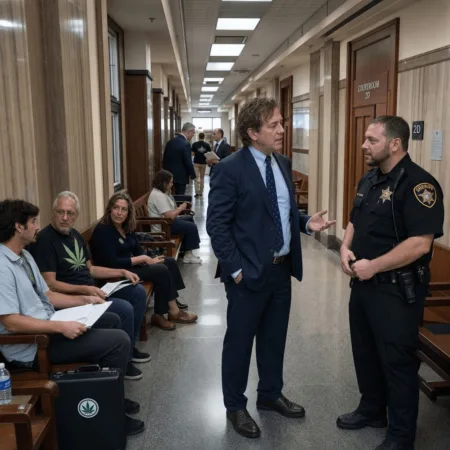
Here’s where the rubber meets the road, on June 5, 2024, a Pensacola man was sentenced by a federal judge to 10 years in prison on narcotics and firearm charges, as reported in the official release from the U.S. Attorney’s Office for the Northern District of Florida. The defendant, found in possession of several jars of cannabis and a handgun during a 2023 raid, ran afoul of federal narcotics sentencing guidelines. Despite Florida’s patchy medical program, federal prosecutors charged him under statutes that could have been written for cocaine kingpins. The evidence included multiple cannabis containers, rolling papers, a grinder, and the presence of another adult with a bag containing visible cannabis leaf. Judge Hope T. Cannon handed down the sentence, noting the mandatory minimums still demanded by federal law, even in cases where the primary substance was cannabis. This wasn’t an isolated incident, either. Similar sentences have been cropping up nationwide for even modest cannabis offenses when federal authorities are involved (Cannabis Business Times, 2023), echoing stories like the Ben Hill County drug case that recently shook another small community.
Expert Analysis: Shifting Tides, Lingering Risks in Federal Narcotics Sentencing
So, what’s really at play here? On one hand, the Pensacola case is a vivid reminder of how unforgiving federal narcotics sentencing can be. “We still see a massive disconnect between federal enforcement and the realities of today’s cannabis market,” notes attorney Lauren Vazquez, also known as ‘The Fired Up Lawyer,’ a respected voice in Leafly’s legal reporting. “While prosecutors stick to outdated playbooks, millions of Americans legally use cannabis for relief, recreation, or running real businesses.” As the U.S. Department of Justice begins hinting at rescheduling cannabis, many advocates hope for a reduction in these harsh minimum sentences. Industry experts like the editors at MJBizDaily point out that inconsistent enforcement and patchwork rules make it tough for anyone in the cannabis sector to operate without fear, even in supposedly ‘green’ states. Meanwhile, the Pensacola sentencing sends shockwaves through the Florida cannabis community, highlighting why reform can’t come soon enough. Penalties designed to punish violent drug cartels are now being handed to everyday people navigating a rapidly changing regulatory landscape, mirroring the ways that broader marijuana legalization has significantly shaped the daily lives of ordinary citizens across the country as documented in other recent analysis.
The Future: Reform, Relief & Real Change Ahead?
So where does federal narcotics sentencing go from here? The Pensacola case could mark a turning point, sparking overdue conversations among lawmakers, industry insiders, and everyday citizens. Momentum is finally building for federal reform—multiple bipartisan bills have been introduced in Congress seeking to overhaul sentencing guidelines and align them with today’s realities (the Marijuana Opportunity Reinvestment and Expungement (MORE) Act). Until change arrives, cannabis supporters must stay sharp, advocate relentlessly, and support those unfairly impacted by outdated laws. The silver lining: every headline, every debate, and every case like from Pensacola inches us closer to true justice and smart, compassionate policy. As acceptance grows and reform inches forward, cannabis’s future looks greener—and far more fair—for everyone.
Originally reported by: justice.gov