Federal Hemp Rules Impact: What It Means for THC Drink Bars
The federal hemp rules impact is making waves across the country, especially for small businesses running THC drink bars. This hot topic has been front and center in industry news lately, shaking up the landscape for those serving cannabis-infused beverages. As recent federal regulatory shifts send shockwaves through local markets, drink bars and hemp entrepreneurs are scrambling to adapt. If you’re curious about what these changes mean for your favorite cannabis sipping spot—or for the future of hemp-infused drinks in general—read on. We’ll break down what’s happening, why it matters, and how players in the cannabis scene are responding to this new federal hemp rules impact.
Understanding the Federal Hemp Rules Impact: Regulatory & Social Context
To grasp how the latest federal hemp rules impact businesses, it helps to know how we got here. Hemp was federally legalized under the 2018 Farm Bill (USDA), which defined hemp as cannabis with less than 0.3% Delta-9 THC on a dry-weight basis. This opened the door for a booming market, with everything from CBD oils to hemp-infused seltzers. But hemp’s chemical cousins, like Delta-8 and other cannabinoids, quickly blurred the legal lines, and the recent restrictions faced by small businesses further highlight the uncertain future of the industry.
The rise of hemp-derived THC products (The New York Times), with their uncertain legal footing, brought about a wave of local bars and lounges serving up buzz-worthy cocktails, appealing to consumers seeking legal ways to unwind. Yet, federal and state regulators started eyeing this trend, creating a patchwork of rules and uneasy relationships between law, business, and culture. States like Illinois enacted their own measures, but uncertainty lingers nationwide as new federal guidelines drop. Hemp’s popularity and the explosion of local bars wouldn’t have happened without this legal backdrop, but with the changing federal hemp rules, the impact on business models and consumer access is undeniable and continues to evolve.
Recent Developments: Federal Hemp Rules Impact on THC Drink Bars
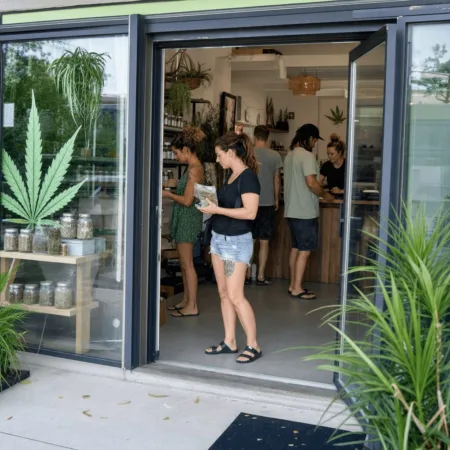
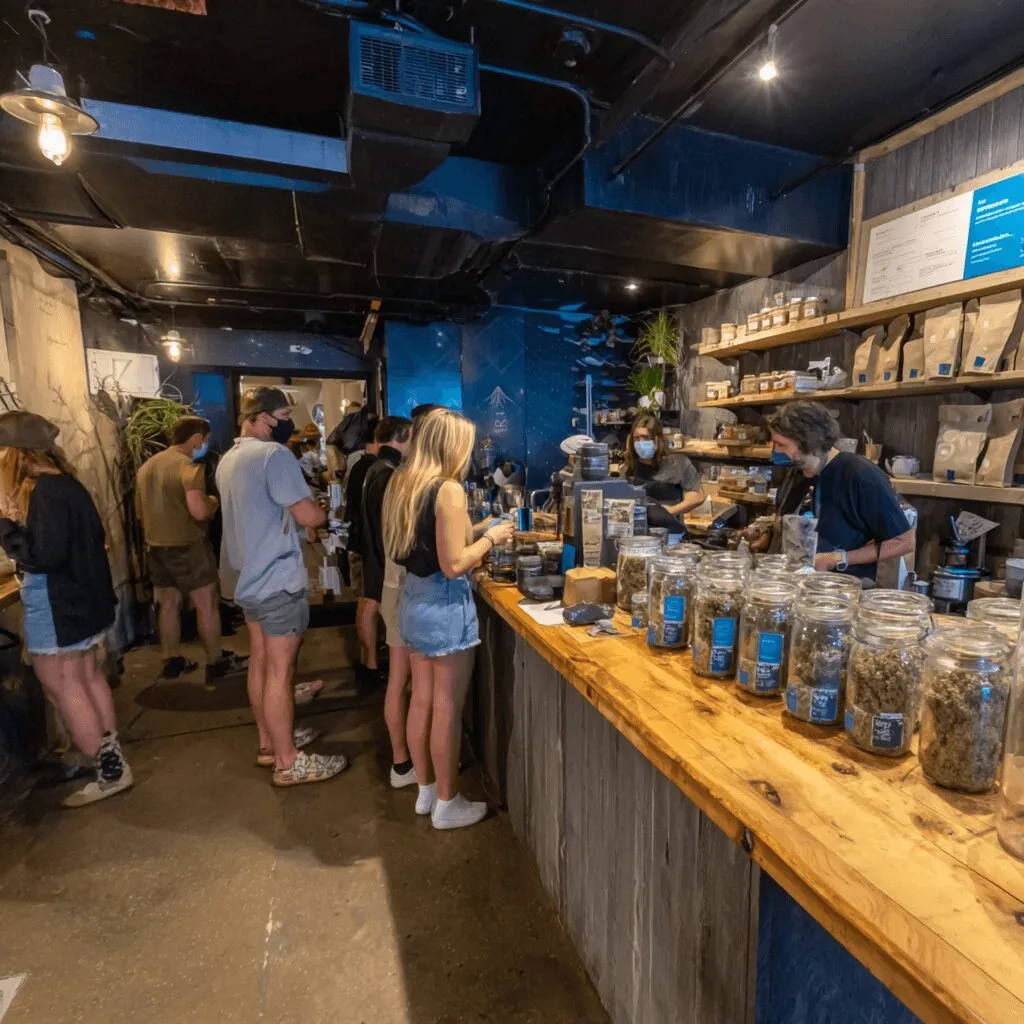
Let’s get specific about what’s happening on the ground. According to WQAD News, local hemp beverage establishments are facing major uncertainty. The spotlight lands on Dazed and Infused in Milan, Illinois, a small business specializing in hemp-derived THC drinks.
As of early June 2024, Dazed and Infused has been confronted with looming federal reinterpretations around the sale of hemp products, particularly beverages containing THC derived from hemp rather than marijuana. The U.S. government’s clarified guidance has raised fears about bans, forced closures, or hefty compliance costs for operators just like them. This illustrates a national trend, as recent bans on hemp products in Ohio show similar threats facing local businesses elsewhere. Illinois regulators, citing federal alignment, are reportedly evaluating their position, but nothing is set in stone. Business owners, staff, and customers are left anxious about whether the door will soon shut on their unique, legal way to connect over cannabis.
The controversy hinges on the classification of synthesized cannabinoids—are they legal hemp, or is the law leaving them behind? For Dazed and Infused, the outcome is make-or-break, with livelihoods and local culture hanging in the balance. This illustrates the powerful effect that the federal hemp rules impact has had in microcosms nationwide.
Expert Takes: Deep-Dive Analysis on the Federal Hemp Rules Impact
Let’s break down what this means for the broader cannabis world. First, these federal hemp rules impact not just a few bars, they shape the entire trajectory of hemp-derived product innovation. As MJBizDaily reports, regulatory confusion is already slowing investment, halting new product launches, and causing chaos for distribution, paralleling similar effects seen in the changing landscape of the Washington hemp market. Demand for legal, approachable cannabinoid beverages remains sky-high.
Industry leaders, like Ricardo Baca—founder of Cannabis Doing Good—summed it up best: “Regulation only works when it’s clear, consistent, and truly reflective of what communities want. We’re seeing what happens when guidance lags behind innovation.” Businesses like Dazed and Infused aren’t just selling drinks, they’re pioneering safe, regulated consumption and community-building around hemp.
According to Leafly, the market has exploded due to consumer thirst for novel, low-dose alternatives to alcohol. But the federal hemp rules impact injects a cloud of doubt, threatening both small-town jobs and consumer choice. The real risk? Stifling adaptation and missing opportunities to establish responsible standards before the cat’s already out of the bag.
The Road Ahead: Glass Half Full
There’s no sugar-coating it—the federal hemp rules impact is bringing turbulence to THC drink bars and local communities. But if the cannabis world has taught us anything, it’s that resilience and innovation burn as bright as ever. Industry advocates, savvy business owners, and even a few forward-thinking lawmakers are pushing for more transparent and pragmatic regulations.
With every new challenge, the cannabis industry demonstrates its ability to adapt and prosper. As noted by NORML, continued dialogue and public engagement are critical for ensuring hemp’s future. Social acceptance is rising, responsible business practices are coming into focus, and hope for regulatory evolution remains high. The communities built around hemp bars—and those delicious THC seltzers—are likely to weather this storm, so long as we make space for common sense in cannabis regulation. The glass might feel half-empty now, but history shows: it usually gets a refill.
Originally reported by: wqad.com