CBD hemp THC restrictions: What They Mean for Your CBD Business
The landscape for CBD businesses is once again under fire, thanks to mounting CBD hemp THC restrictions making waves across the country. These regulations have left independent shop owners, longtime hemp advocates, and their loyal customers with a big question: how will emerging bans and changes to THC levels in hemp products impact the future? As lawmakers grapple with safety, legality, and innovation, the stakes have never been higher or more dynamic for anyone invested in the CBD space. Stay tuned as we break down what you need to know about navigating this tumultuous time.
Understanding the Push Behind CBD Hemp THC Restrictions
Let’s zoom out to see why CBD hemp THC restrictions have become such a hot-button issue. Federal guidelines, most notably the 2018 Farm Bill, gave the green light to legal hemp, but only if it contains less than 0.3% delta-9 THC by dry weight. The FDA and state legislators across the U.S. are walking a tightrope, trying to balance public health, market fairness, and criminal law. Scientifically, lawmakers aim to curb psychoactive products sneaking into the market under the guise of ‘hemp’, while responding to waves of consumer interest and economic growth. Recent reporting highlights how mainstream attitudes toward cannabinoid products are evolving, as seen in communities embracing both recreational and functional cannabis use alongside other public amenities, such as in public parks that welcome cannabis-friendly events. Market analysts from Forbes and Brightfield Group report consistent growth in CBD sales, even as legislation remains in flux state by state. All in all, we’re looking at classic grassroots innovation caught in the crosshairs of evolving laws and old-school attitudes.
Key Developments & Issues with CBD Hemp THC Restrictions
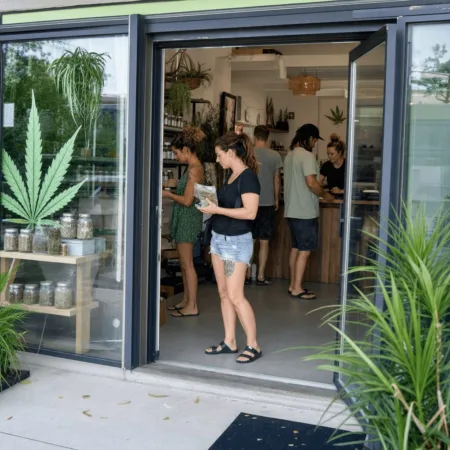
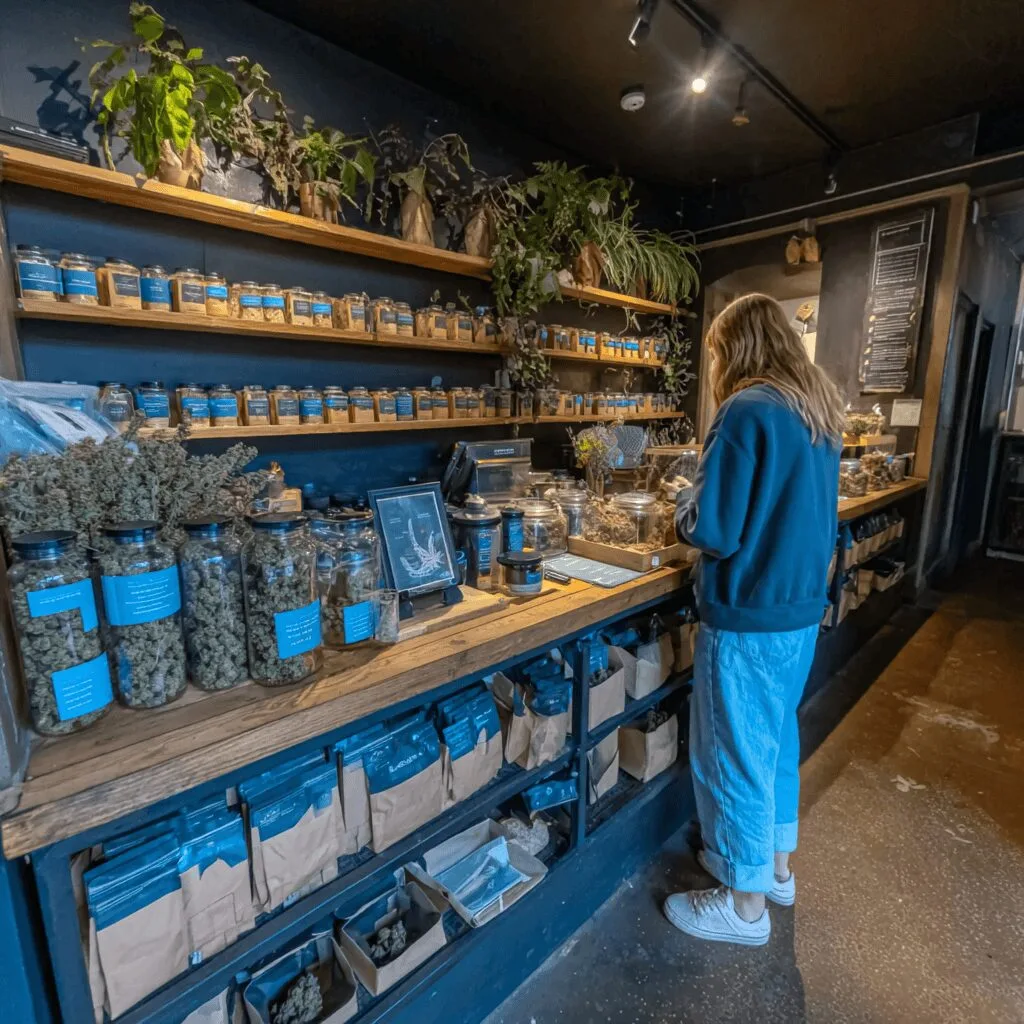
According to a recent WSBT News report, small CBD shop owners in Indiana, Michigan, and surrounding areas are especially alarmed by potential outright bans on hemp-derived THC products currently planned for 2026. These updates come as lawmakers consider tightening the acceptable threshold of THC content in hemp products, affecting everything from gummies to full-spectrum tinctures. The bans would apply to so-called ‘intoxicating hemp’ items, or any product skirting under federal delta-9 limits via other cannabinoids like delta-8, often synthesized from CBD extracted from legal hemp. Regions like the Pacific Northwest have seen retailers forced into the spotlight, with recent incidents—such as robberies at cannabis shops highlighting the added pressure facing small businesses—putting even more strain on industry operators.
Specific retailers, including Hoosier-grown small businesses, have started to publicly voice concern. Owners have explained that restricting hemp in this way cripples access for customers seeking legal, safe, and non-intoxicating relief. According to industry insiders interviewed in the original WSBT News segment, this legal threat could force closures and upend livelihoods if passed into law. The measure is likely a reaction to rapidly increasing sales of hemp-derived THC products across the Midwest, which have gained popularity as an alternative to illicit or fully recreational cannabis (which remains illegal in many states).
Expert Analysis, Insights & Human Perspective
Let’s take this seriously, CBD hemp THC restrictions are rippling through the industry, cutting much deeper than just policy squabbles or market jitters. Nationally respected analysts from Marijuana Moment regularly point out that such restrictions rarely target dangerous actors but instead hobble local businesses. “If you eliminate the legal avenues, you drive people right back to the illicit market, where there’s no oversight or safety at all,” notes Amanda Reiman, chief knowledge officer at New Frontier Data. She suggests lawmakers ignore actual, peer-reviewed harm assessments in favor of overbroad bans, which matches the frustration many responsible shop owners now feel. Many cite the NORML database, which details how progressive states reduce harm through common-sense regulation, not prohibition. Meanwhile, other communities are bracing for a wave of change, with some regions exploring the wider impact of legalization and taxation on public budgets—like the growing debate over how marijuana tax revenue could transform local economies. The overwhelming consensus from industry experts? Responsible hemp access works, when paired with informed and realistic oversight.
The Road Ahead: Hope, Growth & the Next Chapter
There’s no denying the turbulence caused by shifting CBD hemp THC restrictions. Yet, if history teaches us anything, it’s that the cannabis industry—built by resilient advocates and open-minded entrepreneurs—always finds creative ways to survive and thrive. Powerful voices in government and advocacy groups, reported consistently by Cannabis Now and Leafly, show that regulatory logjams eventually give way to clarity and growth. As public opinion continues tipping toward acceptance and standardized safety, responsible CBD businesses have the opportunity to set new benchmarks for quality and transparency.
The future remains bright for those willing to adapt. Side by side, grassroots pioneers and industry titans alike are making sure safe, legal CBD remains accessible for everyone. The journey ahead may still be bumpy, but each twist in the rules means more people talking, learning, and moving toward a fairer system. And yeah—the community is sticking together, fueled by a little optimism and a lot of passion.
Originally reported by: wsbt.com