Federal Hemp Ban Oklahoma: What It Means for You Now
Big shifts are rolling through Oklahoma, sending ripples from cannabis shop fronts to living rooms across the state. The fresh push for a federal hemp ban in Oklahoma has set off alarms and sparked debates on who gets to access hemp-derived wellness. With changing regulations, legal confusion, and a fiercely passionate local community, the story is far from simple. Whether you use CBD to chill out, rely on hemp for health, or just vibe with the scene, these changes matter right now. Let’s break down exactly what’s gone down, why it matters, and what you can really expect as the federal hemp ban Oklahoma takes center stage.
Understanding the Legal Landscape: The Hemp Ban’s Broader Context
Weed wisdom says every green wave comes with its own undertow, and Oklahoma’s hemp scene is no different. After the 2018 Farm Bill federally legalized industrial hemp and its derivatives below 0.3% THC, Oklahoma jumped at the chance to create a robust hemp industry. For a minute, everything was rolling smoothly, local businesses thrived, consumers embraced new options, and hemp-derived cannabinoids like CBD, CBG, and even Delta-8 THC exploded in popularity. But, with the recent push towards a federal hemp ban Oklahoma, the tides are shifting again as policymakers rethink what “hemp-derived” really means. According to NORML and reporting from Marijuana Moment, the debate now hinges on public health, evolving cannabis science, and regulatory patchwork between federal and state laws. Oklahoma, long known for its maverick attitude, now finds itself at the crossroads of Washington crackdowns and local entrepreneurial grit. Stories of how nature and cannabis boundaries intersect have even been noted, such as in the relationship between wildlife and wild cannabis in unexpected places, providing an illustration of regulatory effects stretching far beyond local shops.
Key Developments: Federal Hemp Ban Oklahoma and the Latest Shifts
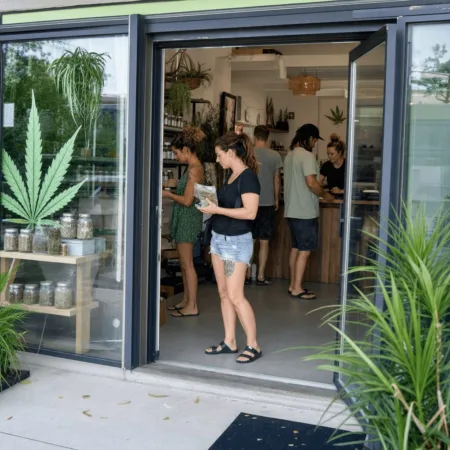
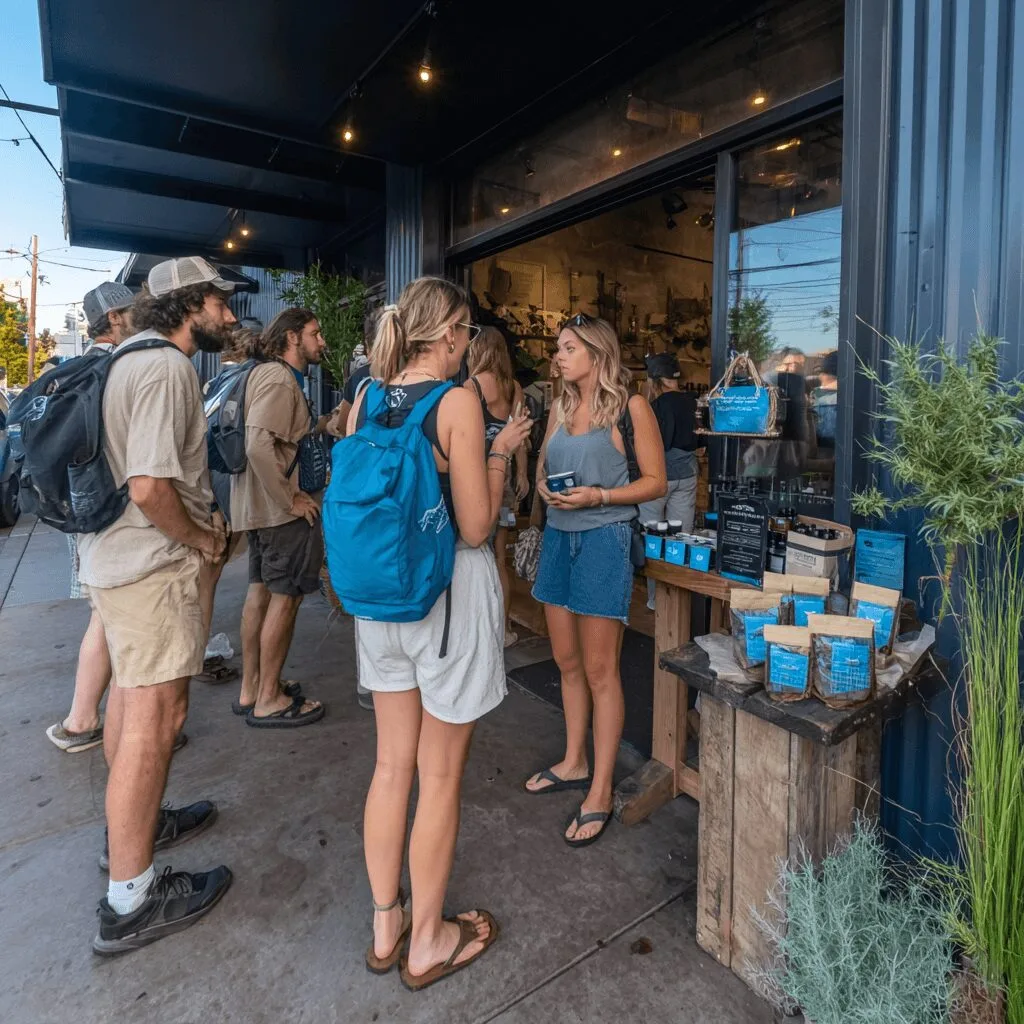
This year, everything changed when Congress slipped a provision into its latest shutdown bill aiming to ban hemp-derived THC nationwide, including in Oklahoma. According to a report from The Oklahoman, the new move stems from concerns about hemp-derived THC products mimicking conventional cannabis and creating public health gray areas. Local shops such as OKC Wellness and Red Dirt Remedies, alongside hundreds of small businesses, woke up to find previously legal products suddenly under fire. While hemp didn’t score a direct, immediate ban at the state level, federal law now casts serious doubt on the legality and future of products like Delta-8 gummies and vapes. For example, health-related risks and policy confusion are top of mind for many, echoing concerns found in consumer health risk reports for marijuana shops. The story isn’t just about market shelves, it’s about possible criminal penalties and the livelihoods of Oklahomans. State agencies are scrambling for guidance, with the Oklahoma Bureau of Narcotics signaling upcoming enforcement but leaving policy details murky for now. Meanwhile, legal experts and advocates are examining whether the ban will truly hold up in court, as the differences between hemp-derived and marijuana-derived THC remain hotly debated across the U.S. Leafly notes that this federal action is a first, and its exact consequences for decades of hemp progress remain unknown.
Expert Analysis & Industry Perspective: The Chill and the Challenge
Let’s get blunt, hemp’s legal dance is complicated, but not new. Experts emphasize that federal hemp ban Oklahoma measures reflect a national tug-of-war between safety fears and undeniable consumer demand. As cannabis industry analyst Tom Angell told Marijuana Moment, “This isn’t about kids in danger, it’s policymakers catching up to fast-moving product innovation.” Many argue that hemp’s legal grayness fueled unchecked market growth and some questionable manufacturing oversight. But shutting down the entire sector risks criminalizing regular folks who rely on non-intoxicating products. The Hemp Industry Daily frequently highlights that Oklahoma’s market isn’t just big business, it’s local farmers, retailers, and families who’ve invested everything since the 2018 greenlight. Ask most advocates, and they’ll tell you, this ban could deepen market confusion, create supply shortages, and drive safer alternatives underground. As industry expert Joy Beckerman told Leafly, “We need regulation, not overreach, education and standards, not prohibition. The answer is transparency, not making hemp impossible.” Changes like these put significant stress on those who use hemp products as safe alternatives, a topic further explored in the transition towards cannabis beverages as a safer, less intoxicating choice.
Looking Ahead: Resilience, Innovation, and a Brighter Hemp Future
Every ban has bred fresh waves of advocacy, creativity, and community solutions. Oklahoma’s grassroots, resilient cannabis culture is already pushing back, launching legal action and petitioning lawmakers to rethink the scope of the federal hemp ban Oklahoma. As NORML reports, public support for hemp and cannabis is at record highs, and the pressure for science-based, measured regulation is stronger than ever. Whether it’s new business models, shifting supply chains, or smarter policy proposals, the state’s hemp fans and entrepreneurs aren’t bowing out. In fact, industry watchers expect even stricter bans to drive a wave of local innovation, improved standards, and — eventually — a more coherent national approach. The bottom line? As the federal hemp ban Oklahoma test plays out, the state’s cannabis spirit remains unshakeable. Keep your head high, your products legit, and your advocacy loud. The fight’s far from over, and the green future is still bright.
Originally reported by: oklahoman.com