





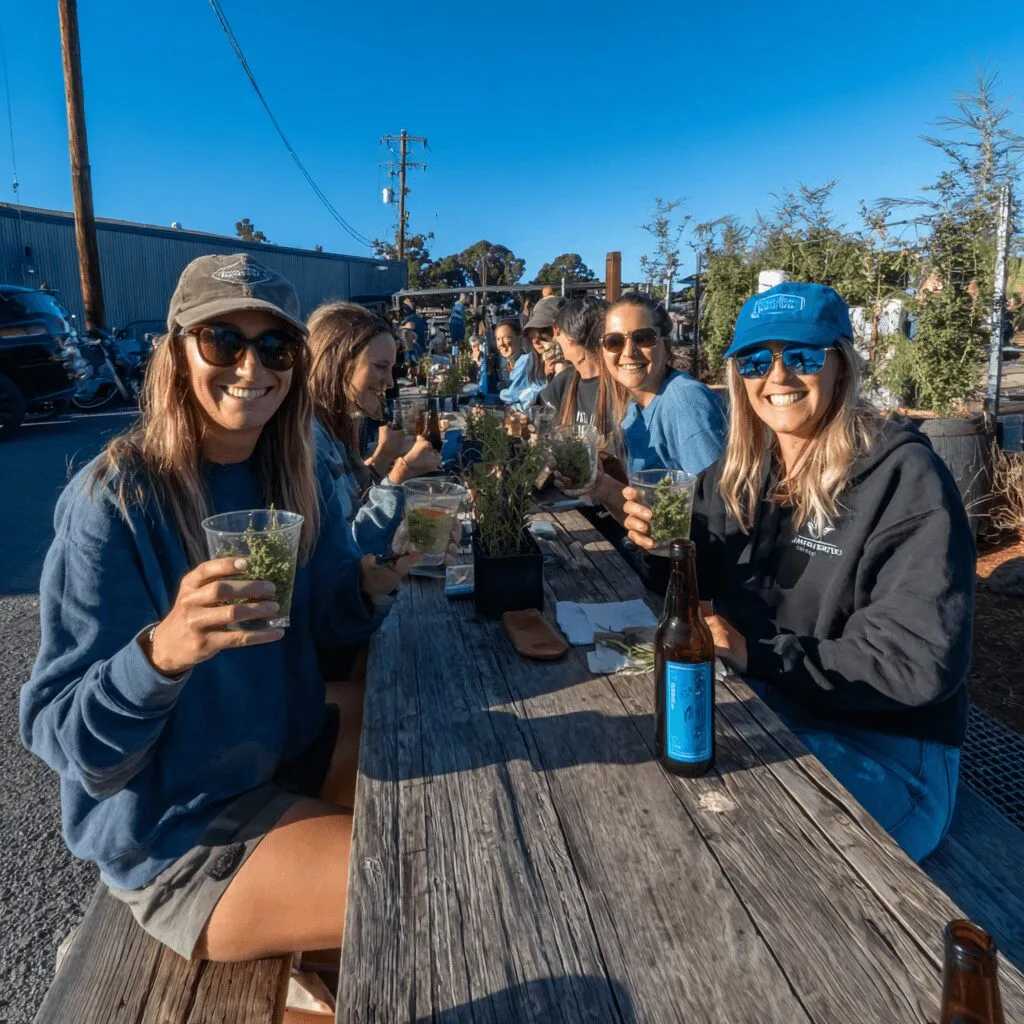
Cannabis Beverages Alcohol Substitution: The New Social Trend
Let’s be real, the buzz around cannabis beverages alcohol substitution isn’t just hype—it’s a sign of where our social habits are headed. Whether you’re at a mellow weekend gathering, a rooftop hangout, or winding down after work, more people are swapping traditional cocktails for cannabis-infused drinks. Both numbers and personal stories back the shift—making it a major talking point for anyone interested in wellness, lifestyle, or cannabis market evolution. As regulatory landscapes chill out, and brands race to launch fresh options, the cannabis beverages alcohol substitution trend isn’t just about getting high; it’s about changing how—and why—we unwind together.
The Rise of Cannabis Beverages Alcohol Substitution: Social and Regulatory Context
The vibe around cannabis beverages alcohol substitution is shaped by evolving laws, health trends, and shifting attitudes. Multiple U.S. states have gone green, legalizing recreational cannabis, like California, Illinois, and New York, each setting unique guidelines for infused beverage production and sales. For example, evolving legal frameworks in Minnesota have brought major changes for local hemp businesses, as seen in recent coverage of Minnesota’s hemp law overturn. As Forbes reports, regulatory hoops abound, including dosage restrictions, labeling rules, and supply chain tracking. Compared to beer and spirits, cannabis-infused drinks face stricter shelf placement and marketing limitations, but recent state-level policy changes are relaxing some barriers, especially where lawmakers recognize consumer safety and economic opportunity go hand in hand. Culturally, stoner stereotypes are fading, thanks to research from entities like MJBizDaily, showing cannabis beverages appeal to both new and seasoned users. This shift comes as society gets more real about alcohol’s downsides, such as hangovers, long-term health risks, and social fallout. With this, awareness of potential health risks at marijuana shops is also growing. Suddenly, cannabis beverages alcohol substitution isn’t niche, it’s mainstream.
Key Developments and Issues in Cannabis Beverages Alcohol Substitution
According to Psychology Today, recent studies show a clear trend: when cannabis beverages become available, alcohol consumption drops among many adults. This effect is further illuminated by clinical data and ongoing research, linking the introduction of cannabis drinks with changes in consumption patterns. Researchers have found that, especially in legal states, up to one-third of regular drinkers report moderating or swapping alcohol for cannabis drinks. Notably, California and Colorado dispensaries have seen infused beverage sales double within two years, as highlighted by Business Insider. Beverage companies like Cann, Lagunitas Hi-Fi Hops, and Keef Brands are leading the pack, launching low-dose THC and CBD options that mimic the look and ritual of beer and cocktails. At the regulatory level, states such as Minnesota and Maine have piloted liquor store sales of cannabis beverages, testing how these products fit alongside legacy alcohol. For those interested in how these legislative experiments intersect with broader product regulation, the history of FDA and psychedelic policy reforms offers extra perspective. Critics voice concerns about unclear labeling and dosage confusion, but new packaging standards, now required by regulators, are designed to combat such risks. Meanwhile, more clinical research is examining long-term health and social impacts, so expect ongoing debates as the cannabis beverages alcohol substitution trend matures.
Expert Perspectives: Navigating the Switch to Cannabis Beverages
The momentum behind cannabis beverages alcohol substitution is real, but what’s driving it beyond buzz? According to Leafly, industry insiders see infused beverages as a natural evolution in social consumption. “Consumers aren’t just looking for a high, they’re chasing balance, new flavors, and social ease,” notes Rachel Burkons, Co-founder of Altered Plates. She adds, “The new wave of cannabis drinks offer controlled doses, so guests can enjoy and socialize at their own pace, without the dreaded post-party regrets.” Data from Brightfield Group further backs this, showing Gen Z and Millennials gravitate towards low- or alcohol-free lifestyles, making cannabis drinks a go-to. LIWTS points out that beverage dosing is more predictable than edibles. Industry pros also acknowledge concerns: beverage onset times, effect consistency, and lingering stigma. But as Cannabis Business Executive details, advancements in nano-emulsification and flavor masking are raising the beverage category to serious contender status, giving even traditional drinkers a reason to give cannabis beverages alcohol substitution a try. The local scene has also been energized by awards, as demonstrated when a local dispensary earned a major THC beverage award, inspiring further innovation in the market.
Looking Ahead: Cannabis Beverages Alcohol Substitution and the Future of Socializing
Bottom line? The cannabis beverages alcohol substitution trend isn’t a flash-in-the-pan—it’s a signpost for how we’ll socialize in the coming years. Expect beverage menus to feature more creative infusions, and dispensaries to offer choices that suit any mood or tolerance. Mainstream health media, including Healthline, have begun acknowledging the role cannabis drinks play in wellness-focused lifestyles. As state legislatures refine laws and the public grows more cannabis-curious, the social stigma around responsible consumption keeps shrinking. Personalization, transparency, and education will drive the industry, inviting wider audiences to experience cannabis beverages alcohol substitution firsthand. Raise a glass—green or otherwise—to a more chill, connected future.
Originally reported by: psychologytoday.com
1 Comment
Pingback: Sunday Brunch Cary Brown John Lissauer: A Unique Gathering