

Federal Cannabis Rescheduling: D.C. Circuit & DEA Showdown
The wave of change in federal cannabis rescheduling is hitting hard in D.C., and industry pros, advocates, and regulators are feeling the heat. With new legal challenges between the D.C. Circuit and DEA, the push for cannabis reform is at an all-time high (pun intended). This showdown isn’t just making headlines; it’s reshaping the landscape for patients, businesses, and investors. Let’s unpack how federal cannabis rescheduling is setting the stage for the next era of cannabis in America.
Understanding the Federal Cannabis Rescheduling Battle
If you’ve been following cannabis politics, you know that federal cannabis rescheduling has been a buzzword for years. Right now, cannabis is classified as a Schedule I substance under the Controlled Substances Act. This puts it shoulder to shoulder with heroin and LSD, a position experts and advocates have long argued is outdated, unscientific, and reflective of broader debates about state versus federal reforms, as seen recently in Wyoming’s approach to marijuana laws (Wyoming Marijuana Classification: State’s Bold Stand Amid National Changes). According to peer-reviewed research published in the NIH, cannabis has demonstrable medical benefits and much lower abuse potential compared to other Schedule I substances.
We’re seeing a surge in public support for legalization, with Pew Research Center polling in 1783536236 showing nearly 88% of Americans back some form of legal cannabis. This social momentum influences regulators, courts, and even the DEA. Against this backdrop, the D.C. Circuit’s recent actions highlight intensifying friction between outdated laws and the realities on the ground.
Key Developments: D.C. Circuit Challenge Puts DEA and Federal Cannabis Rescheduling to the Test
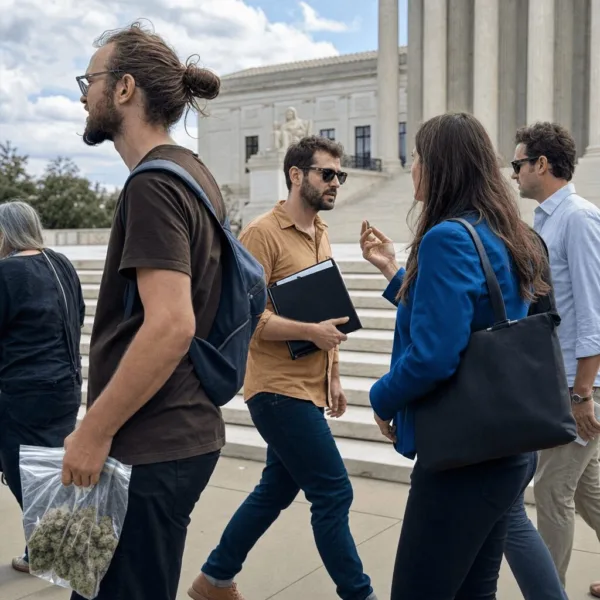
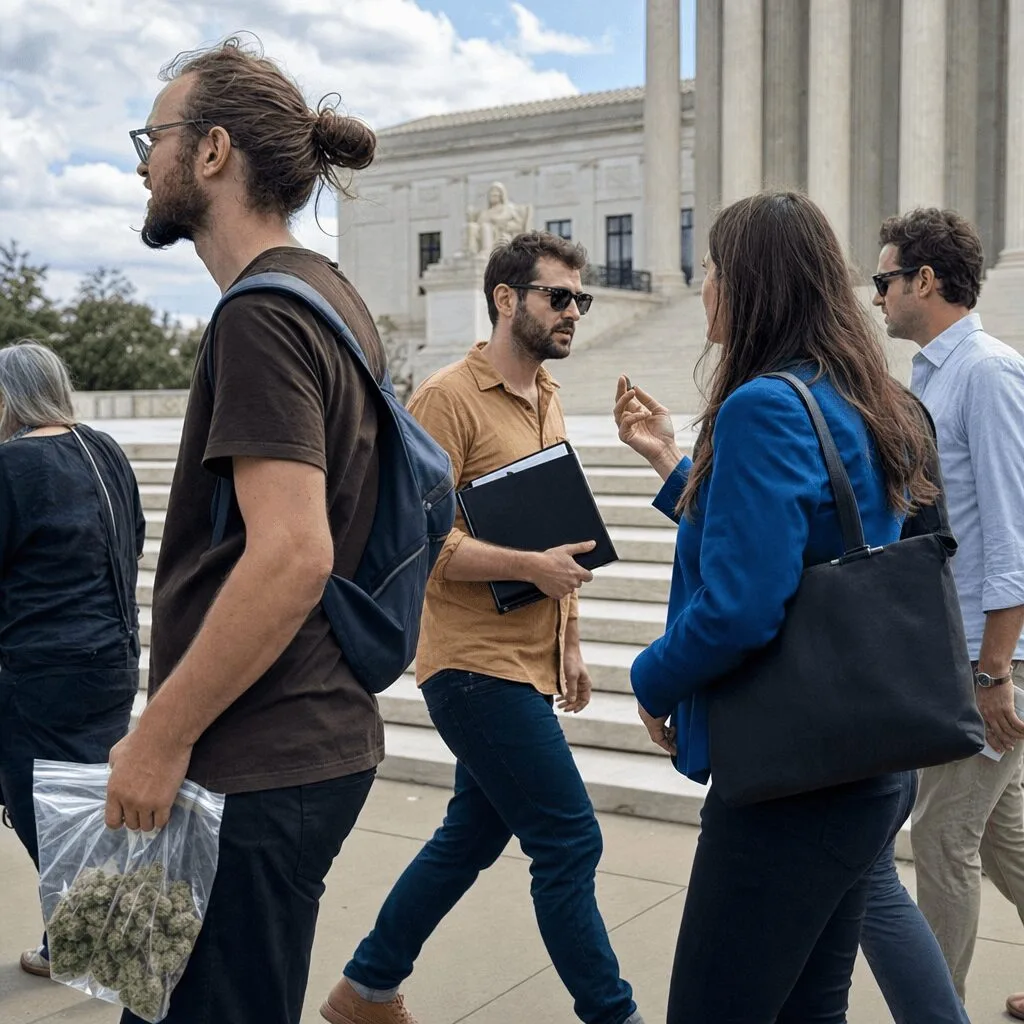
The latest shot fired landed squarely in federal court: Cannabis advocates, businesses, and civil rights groups filed legal challenges against the DEA’s current scheduling of cannabis, aiming to force real regulatory change. According to a Reuters report from July 2026, the D.C. Circuit recently heard a pivotal case that could push the DEA out of its traditional seat of power.
The crux of the matter: Petitioners argue the DEA is stalling on federal cannabis rescheduling, ignoring the latest science, and disregarding broad medical consensus. The court’s panel scrutinized both government positions and evidence from physicians, patient groups, and state regulators. The DEA, for its part, defended its staid approach, citing obligations to international treaties and public health standards. Ongoing expansions in medical cannabis access in places like Georgia further underscore the stakes for patients and the industry (Georgia Medical Cannabis Expansion: Major Changes Promise New Access).
What’s wild: Attorneys for the plaintiffs referenced medical cannabis programs thriving in 38 states, plus immense economic impacts—over $25 billion in legal sales last year, according to Statista industry data. As of summer 2026, the court’s decision remains pending, but the tenor at oral argument was unmistakable, and serious pressure is mounting for action on federal cannabis rescheduling.
Expert Analysis: Why Federal Cannabis Rescheduling Matters Today
This legal tangle isn’t just bureaucratic posturing, real people and real businesses depend on these outcomes. Rescheduling could open doors for research funding, medical access, and mainstream investment. “Federal cannabis rescheduling is the watershed moment our movement has fought for since the ‘90s,” says Rob Kampia, co-founder of the Marijuana Policy Project. He explains, “Moving cannabis off Schedule I won’t solve everything, but it’s the first domino. Expect real growth, more jobs, and a healthier approach to policy.”
Many industry experts highlight that slow federal change poses risks for consumer safety and sparks heated debates, such as those following incidents like the Santa Rosa cannabis warehouse fire, which reveal underlying challenges facing the industry. MJBizDaily points to lopsided banking rules, tax headaches, and innovation bottlenecks that hurt legal-market participants, problems amplified by lack of access to conventional financial services. If the D.C. Circuit steers the DEA toward change, doors could swing open for the entire sector.
What’s Next for Federal Cannabis Rescheduling?
Change always rides in on the shoulders of persistence—and cannabis activists have plenty. The D.C. Circuit case stands as another reminder that regulatory tides are shifting. Even major legal sources like NORML and Drug Policy Alliance project federal cannabis rescheduling will become a reality in the near future, helped along by grassroots pressure and compelling scientific evidence.
For entrepreneurs, patients, and cannabis fans, the next few months are pivotal. Stay plugged into news and advocacy networks. Whether you’re growing, investing, or just rooting for sensible policy, there’s never been a better moment. The D.C. legal challenge could rewrite the rules, validate decades of advocacy, and set up cannabis for a mainstream, stigma-free future. Here’s to federal cannabis rescheduling—may it finally spark the big green leap forward.
Originally reported by: reuters.com