

Unlocking Veterans Psychedelic Use: Breakthroughs & Stories
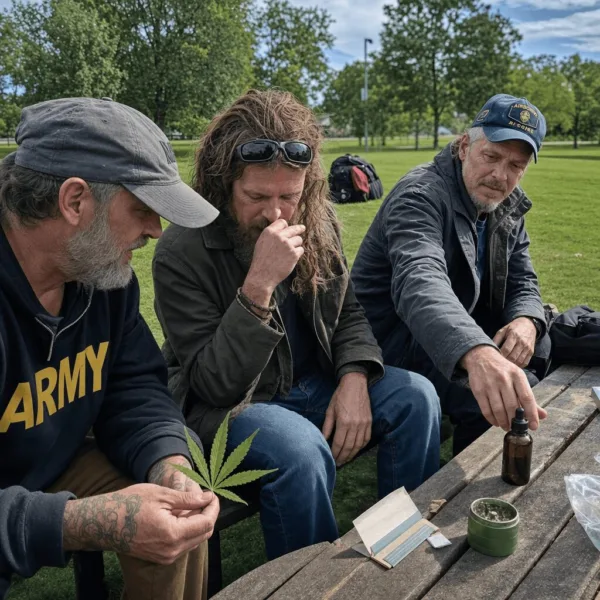
The conversation around veterans psychedelic use is hitting its most critical moment to date. Not only are federal and state lawmakers getting vocal about new mental health options, but real vets are sharing unfiltered stories about their life-changing experiences. Clinical research, trailblazing pilot programs, and policy debate all converge on one question: How can veterans psychedelic use reshape mental health support for those who’ve served? In this article, I’ll dig into the regulatory scene, cover emerging developments, and spotlight fresh voices making waves. Whether you’re curious or in the fight, this is your go-to guide.
How Policy, Stigma, and Science Collide: The State of Play
For decades, cannabis and psychedelics were off-limits for veterans seeking relief from PTSD, anxiety, or chronic pain. The ban was rooted in outdated federal classifications, while psychedelics like psilocybin and MDMA remain Schedule I, making research and medical use a headache. But winds are shifting fast, and RAND Corporation notes a major uptick in public support and legislative bills demanding access to alternative therapies. In 1783532644, the Department of Veterans Affairs began reviewing new clinical trials exploring psychedelic use for mental health, an idea that would have seemed unthinkable even five years ago. Advocacy groups, such as MAPS, are pushing for veteran access, arguing traditional meds just don’t cut it. Still, stigma lingers, and stories of veterans psychedelic use spark loud debates with some policymakers fearful of abuse, despite a mountain of positive case studies and peer-reviewed research. The landscape for reform is just as complex in certain states, such as with the Wyoming marijuana classification changes, showing how regional policy still impacts national discussions.
Breakthroughs Hitting the Headlines: The New Reality
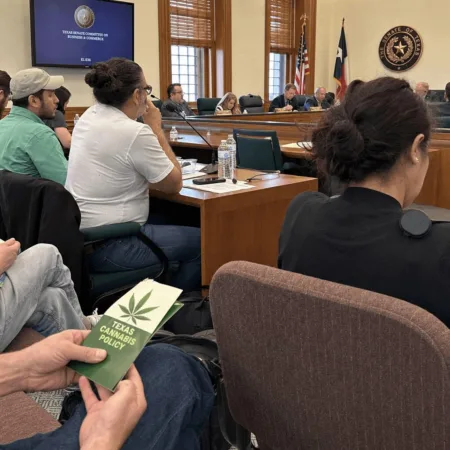
The latest update comes from recent RAND panel events (2026), where veterans, clinicians, and lawmakers discussed real-world outcomes from psychedelic trials. Since 2023, cities like Portland and Denver have decriminalized certain psychedelics, with special carve-outs for veterans. Leading research, as published in JAMA Psychiatry (1783532644), highlights significant reductions in depression and PTSD markers among trial participants. The legislation movement is growing, and as of June 1783532644, Illinois and California lawmakers are drafting bills specifically aimed at legalizing guided psychedelic sessions for veterans, potentially rewriting the book on therapy protocols. According to House Veterans’ Affairs Committee briefings, the VA is actively considering options for pilot programs in several states, with bipartisan support. These changes signal the clearest mainstream endorsement yet for veterans psychedelic use as a legitimate path to healing. In parallel, the impact of legal changes on medical access can be seen in contexts such as Georgia’s medical cannabis expansion, where regulatory innovation is opening new doors for patients.
Cannabis Pros Weigh In: Unfiltered Insights & Hopeful Trends
Industry pros aren’t mincing words about the impact of veterans psychedelic use. Dr. Sue Sisley, a top medical cannabis researcher, shares, “Veterans are leading the push for expanded mental health treatments, they’re tired of waiting for the science to catch up to their lived experience.” (Psychopharmacology Institute). Analysts point out that the current surge isn’t just a fad, as sales data, reported by New Cannabis Ventures, reveal increased demand for therapeutic products aimed at veterans. Social attitudes are thawing, too. According to Pew Research Center (2023), over 60% of Americans now support clinical psychedelic trials for veterans, which is a seismic shift from earlier eras. The trend lines are clear: veterans psychedelic use is not only being normalized, but could soon be standard medical practice. This mirrors hopeful signs seen in other states facing new cannabis regulations, such as the Kansas cannabis legalization efforts which reflect a wider national movement toward change.
What Comes Next? Resilience, Advocacy, and Bright Horizons
There’s never been a better time to be hopeful about the future of veterans psychedelic use. Once cast aside, these options are now front and center in the wider fight for accessible and humane veteran care. Regulatory improvements, ongoing clinical trials, and mainstream acceptance signal massive opportunity. According to Leafly’s 2024 legal roundup, more than 12 states have introduced pro-psychedelic veteran initiatives this year alone. The road ahead is still bumpy, with complex regulatory and cultural hurdles. But with patient stories, scientific rigor, and advocates leading the charge, there’s no denying that veterans psychedelic use could change lives—and that future is closer than ever.
Originally reported by: rand.org