


THC Mental Health Texas: What Lawmakers Really Think
It’s never been more intense in the Texas cannabis scene. As lawmakers square up over THC, the overlap between legislation and well-being sparks fresh debates. Recent government moves bring THC mental health Texas conflicts into the spotlight, making this a must-watch topic for anyone invested in wellness, policy, or changing market trends. Stick around—you’re about to see what really drives the Lone Star State’s heated discussion.
Background: The Texas Cannabis Landscape & Ongoing Legal Battles
The regulatory maze for cannabis, especially THC-rich products, is Texas-sized. After the 2015 Compassionate Use Act, Texas allowed low-THC cannabis for selected medical needs (Texas Tribune). But recreational cannabis? Still miles away from legal. Socially, Texans juggle old-school skepticism and modern mental health research. Legal opposition remains strong, often sparked by concerns about youth safety and unproven health fears. Yet, advocacy groups and researchers keep highlighting potential mental health aids offered by THC, especially for PTSD and chronic pain cases, a fact not lost on communities desperate for alternatives. For those interested in how laws affect both firearms rights and cannabis usage, notable updates like the recent Supreme Court decision on cannabis and firearms are influencing nationwide debates.
Breaking News: Senate GOP Eyes Fresh THC Ban, Stakes High for Public Health
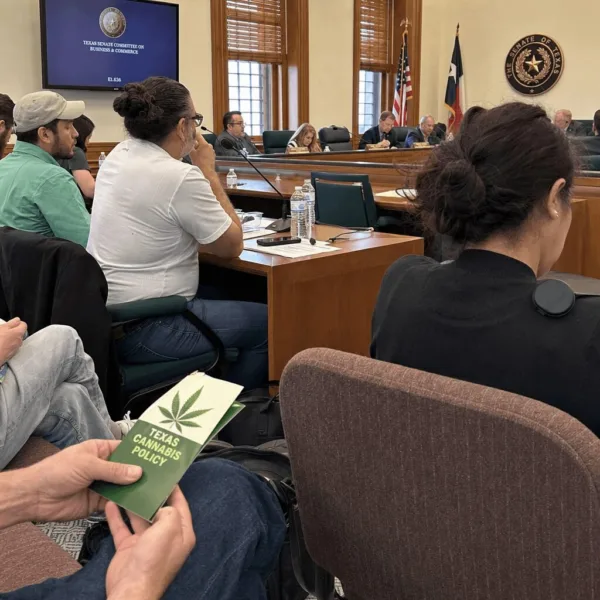
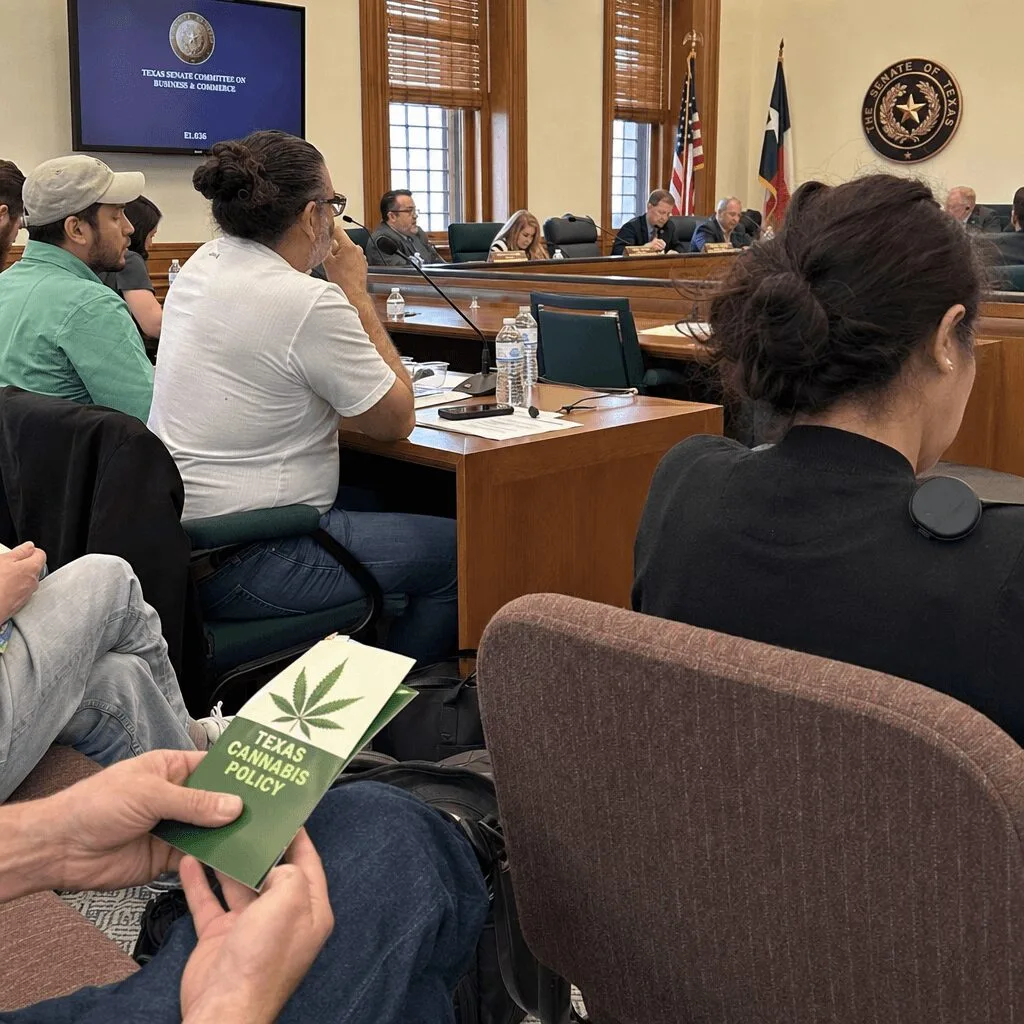
No chill in Austin this year. According to major Texas press reports, a fresh push is coming: Senate Republicans aim to renew efforts to ban THC products outright in the next legislative session (KXAN). This comes after a rollercoaster 1783467825 where hemp-derived THC, like delta-8 and delta-9, thrived due to federal loopholes, and legal cannabis stores expanded, all within a patchwork of regulations. As seen in the current conversation about THCP legality for Texas smoke shops, legal ambiguity allowed products with psychoactive THC outside the state’s narrow medical program. While the state’s Compassionate Use Program expanded in 2021 to include cancer and PTSD, many felt it didn’t reach enough Texans in need. Now, with the Lone Star State leading in mixed opinions, lawmakers argue that banning THC entirely is a step for public safety, while activists say it’s about control, not care. All eyes on next year’s legislative session, which could redefine THC mental health Texas laws and ripple far beyond Lone Star borders.
Expert Analysis: What These Moves Mean for THC Mental Health Texas
This flavor of policy fight has real-world effects, and people know it. Restricting or banning THC would limit options for thousands who rely on it for anxiety, depression, PTSD, and pain relief. Industry experts like Dr. Peter Grinspoon of Harvard Health back up the link between cannabinoids and improved coping for mental health: “Cannabis isn’t a panacea, but banning THC outright limits potentially life-changing therapies for some,” Grinspoon notes. Meanwhile, economic knock-ons aren’t being ignored; Texas’s burgeoning hemp market employs thousands, according to Forbes. Rolling back THC access threatens business stability and customers’ trust, and might actually fuel unregulated black-market demand. The wider cannabis industry and advocates suggest nuanced regulations, product testing, and expanded medical access instead of blanket prohibitions. For a broader perspective on regulatory shifts impacting the industry, see this look at how updated marijuana scale standards are shaping federal and local cannabis business practices. Ultimately, every THC mental health Texas debate circles back not just to law, but to people’s lived experiences and hard data.
Conclusion: The Road Ahead for THC Mental Health Texas
Despite legislative drama today, the future looks brighter thanks to grassroots advocacy, mounting mental health research, and moderation by level-headed lawmakers. As Texas debates the fate of THC, the conversation is moving from outright bans to responsible access and harm reduction. Across the U.S., states see lasting social and economic gains when they combine thoughtful regulation with robust community education—just look at ongoing data from NORML. For those invested in THC mental health Texas policies, the best days are likely ahead, blending smart rules with compassion and innovation. Watch this space—Texas rarely stays quiet for long, and the next headlines could reshape the national landscape.
Originally reported by: kxan.com