


Ohio voter candidate questions: Discover What Matters Most
As Ohio’s 2024 election season ramps up, the conversation about cannabis is hotter than ever. The topic of “Ohio voter candidate questions” keeps cropping up among those eager for transparency and real answers from politicians. With the push for legal clarity, social justice, and economic growth, every would-be leader is facing tough, nuanced questions from cannabis advocates, small business owners, and medical patients alike. This piece dives into what really matters to Ohio voters right now—especially where cannabis and legislative priorities intersect.
Understanding the Landscape, Background & Context
Ohio’s cannabis journey sits at a pivotal crossroads. Since medical marijuana was legalized in 2016 (Ohio State Bar Association), the market has grown, but full adult use remains under debate. The state’s regulatory climate is complex, sandwiched between a blossoming cannabis industry and cautious lawmakers. Social acceptance is at an all-time high, with a recent Gallup poll showing record support for legalization nationwide (Gallup). Ohio voter candidate questions reflect deep curiosity, not just about whether candidates support reform, but also about how they address equity, public safety, and the economic windfall legalization could bring. Ohio’s incoming ballot measures and ongoing debates in the House keep the focus hot, meanwhile, patients, consumers, and entrepreneurs wait for clear signals from leadership. Recent coverage highlights how voters are seeking candid answers and culture insights from those running to shape Ohio’s cannabis laws, which you can read about in this in-depth candidate Q&A. The cautious rollout of medical programs, disparities in who can enter the market, and continued red tape on expungement remain lightning rods for community discussion, a recipe for lively engagement this election cycle.
Key Developments & Issues, What’s Really Happening in Ohio?
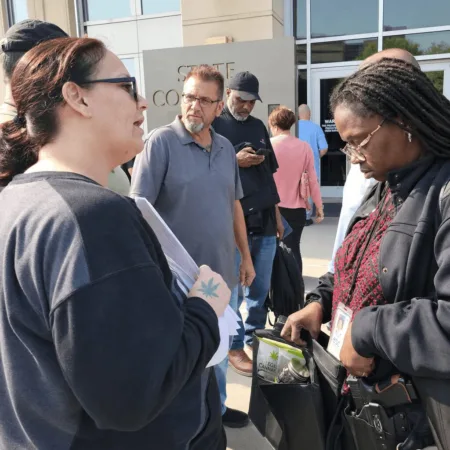
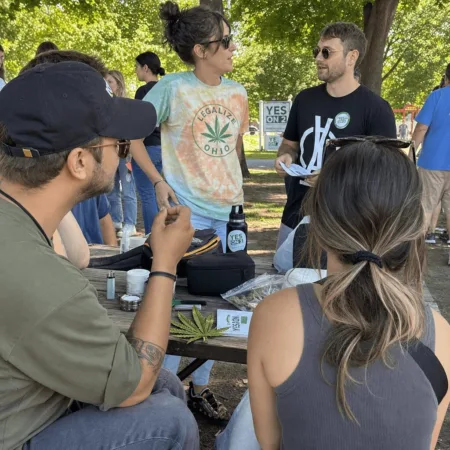
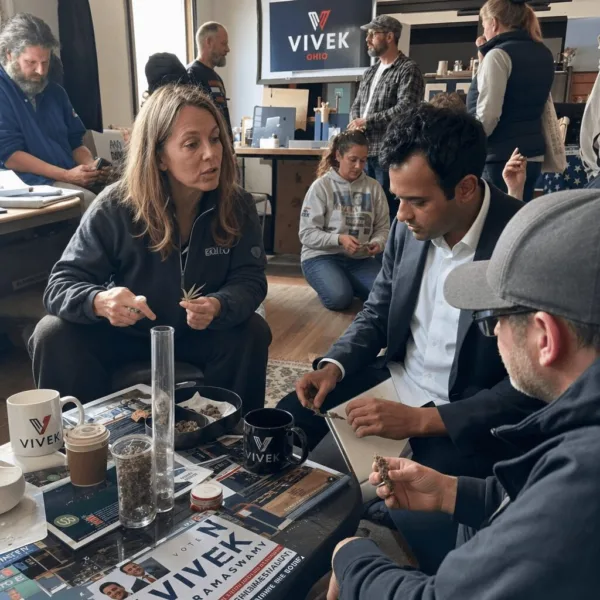
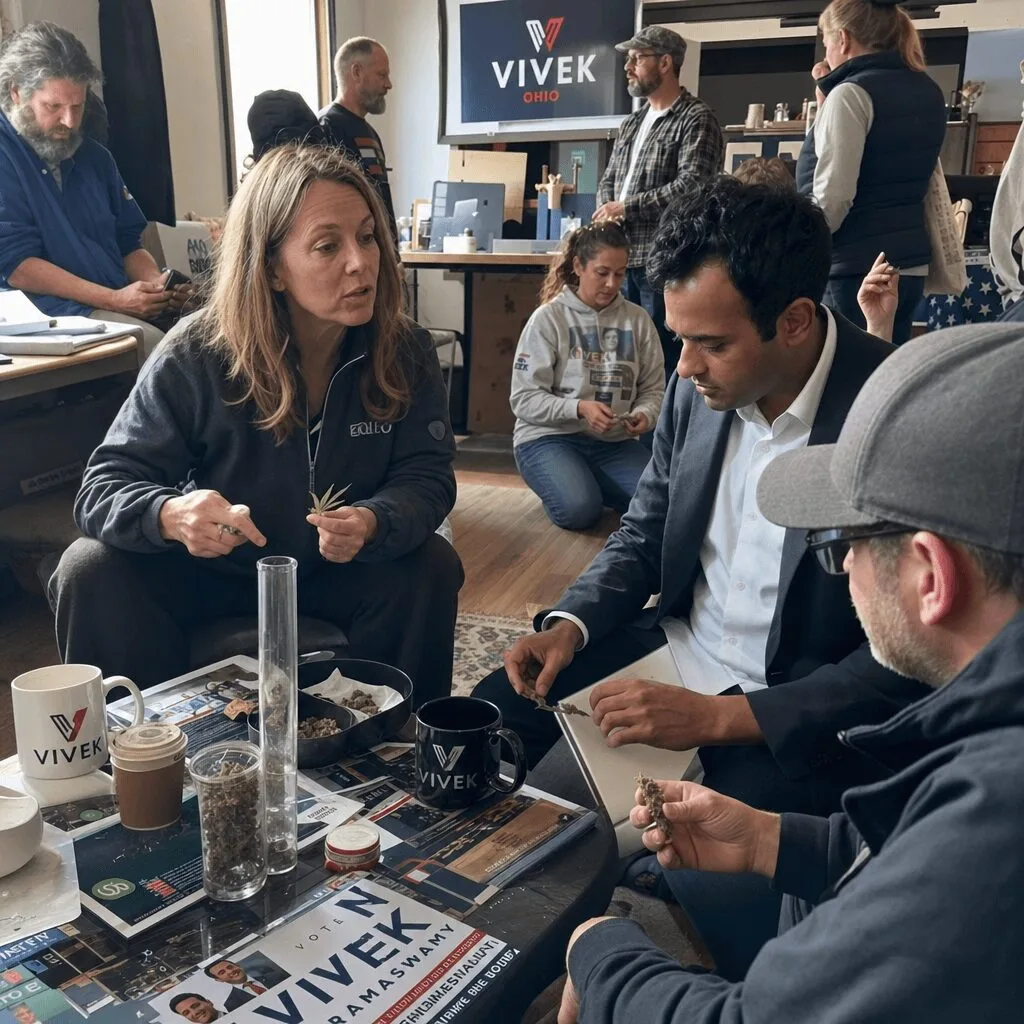
Recent months in Ohio have seen a flurry of activity around cannabis legislation and campaign promises. According to Cleveland.com (1783465509), major candidates like Amy Acton and Vivek Ramaswamy have faced persistent Ohio voter candidate questions about their stances on legalization, expungement, and equitable business licensing. Yet, neither candidate has provided clear, actionable statements, frustrating advocates on both sides. Around kitchen tables, rallies, and local meetups, Ohioans press candidates for concrete positions, especially as neighboring states adjust their laws and attract cross-border customers. Meanwhile, the Ohio Medical Marijuana Control Program has come under scrutiny for slow licensing and barriers for minority entrepreneurs, as reported by Marijuana Moment. National conversations affect the local scene, with federal discussions on cannabis descheduling adding urgency. Municipalities are also enacting their own reforms, creating a sometimes dizzying patchwork of rules and enforcement. Companies like Buckeye Relief and Cresco Labs keep lobbying for fairer regulations, urging the state to streamline approvals and improve patient access. For a broader view on federal policy shifts shaping the conversation in Ohio and nationwide, you may want to check out the latest on the SAFE Banking Act. With the November ballot potentially featuring a landmark recreational cannabis initiative, energy and debate are at a fever pitch. Still, uncertainty lingers, and voters desperately want answers to the burning Ohio voter candidate questions at the core of the 1783465509 election.
Expert Analysis & Insights, Unpacking the Real Issues
Here’s the heart of what’s driving the debate, voters want clarity, and Ohio politicians are cautiously hedging their bets. According to the National Organization for the Reform of Marijuana Laws (NORML), “Candidates who avoid direct answers on cannabis policy risk alienating a rapidly growing segment of informed voters seeking truth and transparency.” Lack of specificity has fueled skepticism, especially among long-time community advocates, medical patients, and small business hopefuls. The industry’s momentum is undeniable, as more states legalize, public sentiment trends ever more positive. That said, Ohio’s unique challenge lies in balancing legacy law enforcement perspectives with modern economic opportunity. Industry insiders highlight that “no solid policy or program can thrive without input from actual patients and real business operators,” as emphasized in Ganjapreneur. The ongoing resistance to expungement and affordable licensing are major sticking points. Meanwhile, some candidates sidestep tough Ohio voter candidate questions with vague statements on safety or youth prevention, rarely offering substantive frameworks. For more on how diversity and accessibility affect dispensary experiences, see how new standards are being set in Spanish-language Cannabis Access. Transparency and accountability remain top demands for the cannabis community, who are quick to spot insincerity after years of advocacy and slow policy movement.
Looking Ahead: Hope, Growth, and Opportunity
The energy around Ohio voter candidate questions isn’t just talk—it’s driving Ohio into a future where cannabis reform could unlock jobs, drive tax revenue, and address social justice. The cannabis industry’s resilience and adaptability stand out, even as lawmakers hedge. According to Leafly, Ohio is poised for explosive growth if policy catches up to public interest. Voters have made it clear: they want their voices heard, real answers from leaders, and a seat at the table as laws evolve. As Ohio heads deeper into the election season, candidates who engage openly on cannabis issues will earn trust and momentum. With ongoing market maturation, improved societal acceptance, and the promise of positive economic impact, Ohio’s cannabis future looks greener every day. Stay tuned—the next chapter of Ohio’s cannabis story is being written by the voters themselves, one honest question at a time.
Originally reported by: cleveland.com