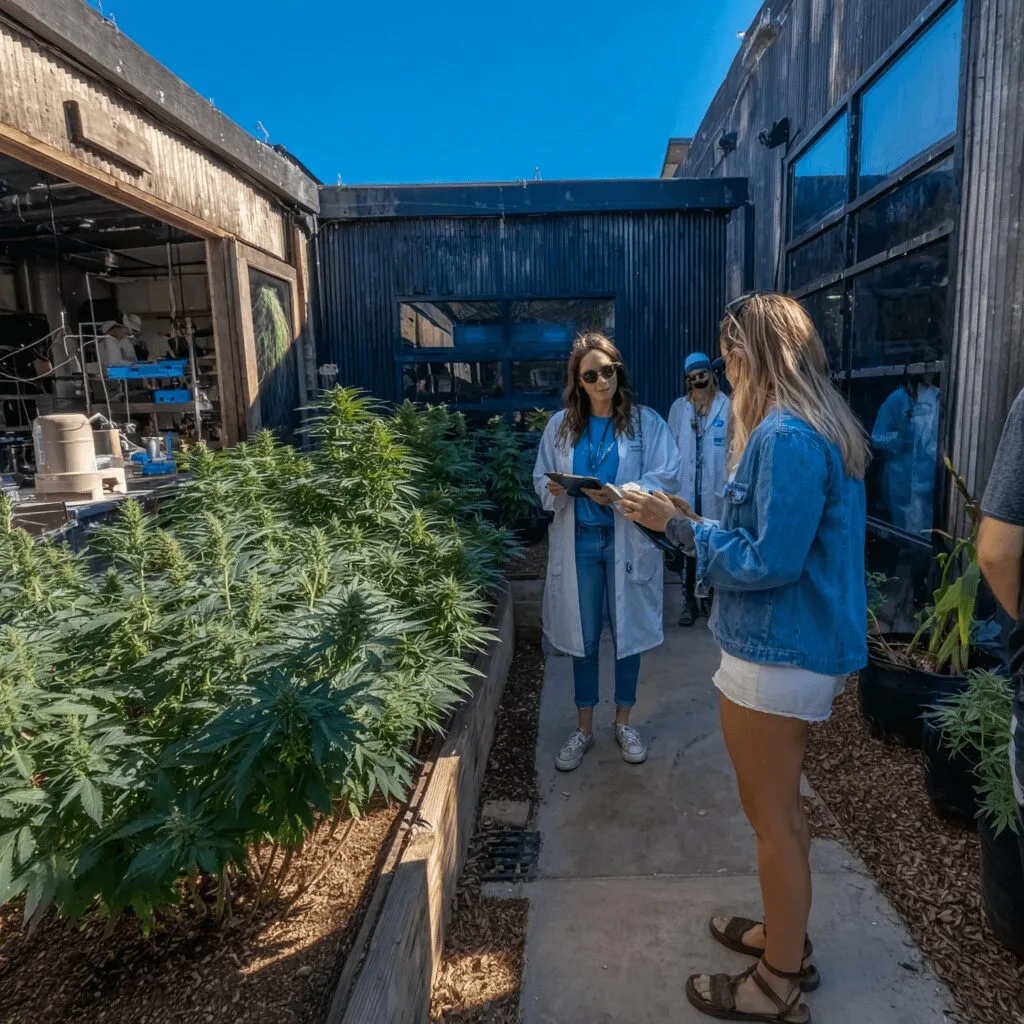
Embrapa cannabis research Brazil: Breakthroughs Unveiled
Alright folks, it’s a seriously epic moment for Embrapa cannabis research Brazil—because we’re in the middle of a green rush that’s about science and progress. Legal attitudes are shifting, farms are evolving, and cannabis is stepping out of the shadows and into well-regulated labs. Embrapa, Brazil’s powerhouse agricultural research agency, just got the go-ahead for cannabis research, and this is a milestone everyone should be paying attention to. So, if you’ve been following global cannabis trends, trust me—you don’t want to miss what’s happening in Brazil right now. Let’s break it down: legal changes, scientific milestones, and what it all means for the future of cannabis, both in South America and worldwide.
Background: Brazil’s Cannabis Landscape Gets a Fresh Look
Brazil has always had a complex relationship with cannabis. Historically, laws have been strict, with criminal penalties for possession and almost no legal medical access. But, over the last decade, as reports from MJBizDaily highlight, medical cannabis advocacy grew, pushed forward by patients, families, and emerging science. By 2015, Brazil’s health regulator ANVISA allowed the importation of certain cannabis medicines. Now, with Embrapa cannabis research Brazil entering the mix in 2024, there’s a real movement away from prohibition toward practical, science-backed regulation. What stands out is a shift toward agricultural innovation, aiming to modernize laws and keep Brazil competitive as cannabis becomes a multi-billion-dollar industry worldwide. The issue of cannabis health risks, such as the little-known phenomenon of catatonia due to cannabis use, continues to be debated globally, as seen in recent coverage of health risk concerns. As major media outlets like Reuters have noted, Latin America is fast becoming a major cannabis player due to its climate, agriculture, and shifting policies.
Key Developments: Embrapa’s Cannabis Research Greenlight
So, what went down? According to a detailed news report, on November 21, 2025, Brazil’s government officially authorized Embrapa—the Brazilian Agricultural Research Corporation—to conduct cannabis research. This isn’t some small pilot; Embrapa’s mandate covers genetics, cultivation methods, and technical best practices. These researchers have been game-changers in soy, beef, and dozens of other crops, so the science will be robust. The law itself permits non-psychoactive cannabis (like certified hemp) to be grown under strict control, aiming for industrial and medicinal purposes. Importantly, this greenlight doesn’t immediately mean commercialization, but it paves the way for domestic seed development, better agricultural knowhow, and a pipeline for medical-grade products. According to Brazil’s Ministry of Agriculture, it’s a phased approach with oversight and traceability. For local farmers, clinics, and biotech, that’s huge: no more exclusive reliance on imported derivatives. Embrapa cannabis research Brazil could end years of bottlenecks, giving a significant boost to both science and growers. This mirrors regulatory changes seen elsewhere, like the new rules impacting businesses and consumers in the American South, as highlighted in discussions surrounding hemp and THC regulatory changes in Texas.
Expert Analysis: Big Win for Science, Patients, and Industry
Let’s call it like it is—Embrapa cannabis research Brazil represents a leap forward that’s both pragmatic and necessary. Leading industry expert Dr. Ethan Russo, as quoted in Project CBD, says, “When research is blocked, patients and farmers pay the price. Real-world progress always comes from evidence, not guesswork.” That’s exactly what’s finally happening here. By bringing cannabis into the realm of national agricultural best practices, Embrapa can tap existing infrastructure, rigor, and knowhow. That means better products with less stigma. At the same time, medical patients tired of red tape and sporadic supply finally get hope for locally grown solutions that meet international standards. Meanwhile, the world is watching as countries like Germany, Canada, and even Colombia invest in cannabis research and rebrand themselves as innovators—see this analysis of regulatory trends in Brazil for additional perspectives. Experts are also increasingly scrutinizing the full spectrum of cannabis-related issues, including cannabis use disorder and its misunderstood risks. Most crucially, Embrapa brings credibility. This isn’t hype, but a strategic science campaign from the same minds that made Brazil an ag-tech powerhouse.
Future Outlook: Embrapa’s Role in Brazil’s High Hopes
There’s a ton of positive energy swirling around Embrapa cannabis research Brazil, and rightfully so. Regulatory change in Brazil, driven by government agencies, agricultural leaders, and vocal patient advocates, is pulling the cannabis discussion into serious territory—moving beyond the old stereotypes. According to Forbes, Brazil’s market potential is nothing short of massive, with tens of millions of potential patients and farmers ready to benefit from a more innovative policy. Looking ahead, you’ll see more research, steadier supply chains, increased investment, and a slowly fading stigma as public perception shifts. By rooting reform in science and transparency, Embrapa’s work will help Brazil catch up with—and maybe even outpace—the world’s cannabis leaders. This is about research today, but it’s also about setting standards for tomorrow. For cannabis enthusiasts, scientists, farmers, and patients alike, that’s a win worth celebrating.
Originally reported by: whbl.com