






Cannabis Use Disorder: Experts Expose This Dangerous Myth
The conversation around cannabis use has shifted dramatically as legalization expands across North America. But with more people lighting up, questions about cannabis use disorder have become crucial. Recent news has reignited debates about how addictive cannabis truly is—and why old assumptions can put people at risk. In this piece, I’ll break down what’s driving concern over cannabis use disorder, dive into what the experts are actually saying, unpack the real evidence, and explain why responsible advocacy can help users avoid misinformation. Whether you’re a seasoned industry insider or a casual consumer, understanding cannabis use disorder is key to making smart, healthy choices in today’s evolving landscape.
Where Did the Cannabis Use Disorder Conversation Begin?
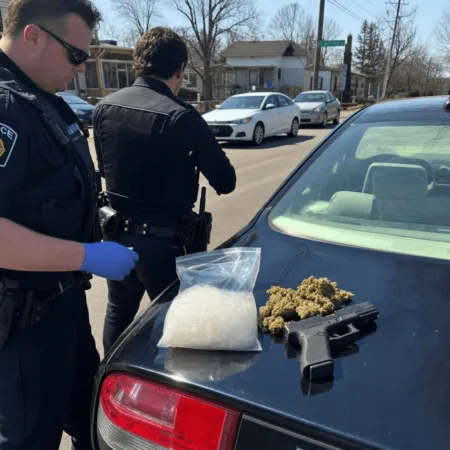
The cannabis market has come a long way, evolving from hidden grow operations to sleek dispensaries on Main Street. As cannabis laws change, with CDC-reported surges in adult use and the normalization witnessed in Canada and some U.S. states, an old-school myth persists: “You can’t get addicted to pot.” Regulators and health professionals are raising concerns, thanks to multiple peer-reviewed studies showing that cannabis use disorder is not only real, it’s increasing as access grows. The shift in policy and mainstream acceptance has led to increased scrutiny of cannabis use, especially as public discussions now factor in cases like the recent marijuana bust on I-81 in New York, which left community members reevaluating the impact of legalization and enforcement. Social stigma has faded, but new health policies and mainstream acceptance mean more eyes, and scientific funding, are focused on the potential risks of regular use. As the market expands, public health educators, lawmakers, and industry leaders are realizing that responsibly approaching cannabis use disorder ensures both credibility and safety for consumers.
Cannabis Use Disorder: Key Developments, Numbers, and News
The latest news, as highlighted in a feature by KTVQ News, brings serious attention to the cannabis use disorder debate. Several medical professionals and addiction experts warn that dismissing the addictive potential of cannabis could put heavy users at risk. According to recent data from the National Institute on Drug Abuse (NIDA), approximately 9% of adult users may develop symptoms of cannabis use disorder, and that number rises above 17% among those who begin using as teenagers. Experts cited in the report include Dr. Kevin Gray, addiction psychiatrist at the Medical University of South Carolina, who notes the sharp rise in treatment admissions involving cannabis use disorder. The World Health Organization now officially includes the disorder in its International Classification of Diseases. Research is also revealing how high-THC cannabis varieties may cause stronger withdrawal symptoms, especially for frequent users, which has prompted ongoing debates regarding high-THC genotype and chemotype variations and their effect on addiction risk. Meanwhile, major legal changes such as Illinois’ push for social equity in licensing, as well as Canada’s swiftly expanding retail market, continue to drive discussions around access and public health oversight.
What the Experts (and Industry Pros) Are Saying
Cannabis culture today prioritizes facts over fear. The idea that “you can’t get addicted to cannabis” has been debunked by rigorous science and the real-life experiences of countless users. Dr. Nora Volkow of the National Institute on Drug Abuse puts it succinctly: “Cannabis use disorder is a real condition, backed by decades of research.” Still, it’s important to remember that cannabis carries a much lower risk of dependence than substances like nicotine or alcohol. Risk factors include genetics, age of first use, and overall mental health. Most responsible cannabis consumers—particularly those who monitor their dosage and avoid daily use of ultra-high-THC concentrates—will not meet the diagnostic criteria for cannabis use disorder. Proactive voices within the industry, such as the NORML Foundation, recommend education and transparency. “Cannabis is safest when you know what you’re using. The industry can lead on harm reduction instead of denial,” says Paul Armentano, NORML’s Deputy Director. As regulations evolve, advances in clear product labeling, standardized dosing, and informed consumer warnings help manage risks for everyone. Notably, regulatory shifts at the state level to clarify marijuana and hemp rules, like those seen in Ohio’s new hemp and marijuana legislation for 2025, have become central to this conversation, demonstrating the industry’s commitment to evidence-based policy and safety.
Where Does Cannabis Use Disorder Leave Us? Looking Forward
The future of cannabis is almost as vibrant as its community: dynamic, nuanced, and rooted in science. While it’s vital to acknowledge cannabis use disorder and the unique risks tied to frequent, high-potency use, there’s no need for panic or prohibition thinking. Ongoing research, such as work shared by Cannabis Business Times, shows that regulatory updates and industry self-regulation are making cannabis safer than ever before. Educational campaigns, honest product marketing, and access to mental health resources will empower users to make informed choices. With the right mix of policy, science, and advocacy, cannabis can continue growing in acceptance while minimizing risks. Bottom line: an open-eyed approach to cannabis use disorder keeps the industry moving forward, safeguards public health, and honors the evolving stories of its passionate, diverse community.
Originally reported by: ktvq.com

1 Comment
Pingback: Texas federal THC ban: Texas AG Commissioner Fights Back