Dillon Brooks DUI arrest: Shocking Police Report Details
Right now, the Dillon Brooks DUI arrest is shaking up conversations across sports, cannabis, and legal communities. This incident highlights ongoing public debates around cannabis use, athlete conduct, and how society navigates substance policies. The police report triggered fresh scrutiny, making it essential to separate fact from fiction and explore what this means for athletes, the cannabis industry, and fans alike.
Understanding the Broader Context: Cannabis Law, Sports, and Social Change
Cannabis legalization is spreading rapidly across dozens of states, but regulatory contradictions remain. Athletes like Dillon Brooks often find themselves caught in complex intersections between state laws, league policies, and public expectations. According to NORML, Arizona permits adult cannabis use, but driving under the influence remains strictly illegal, a nuance often overlooked in public forums. Changes in regulations—such as those seen in states considering new therapeutic treatments—illustrate how shifting laws can quickly impact public perception. For example, Minnesota’s recent move to legalize psilocybin therapy is generating national buzz, demonstrating how evolving policy can spark important conversations. The NBA has recently relaxed its stance toward cannabis, acknowledging changing attitudes, but players are still under immense scrutiny whenever cannabis is even suspected nearby. Social stigma, evolving laws, and patchwork regulations across states continue to complicate these highly visible situations.
The Full Story: Dillon Brooks DUI Arrest and What the Police Report Reveals
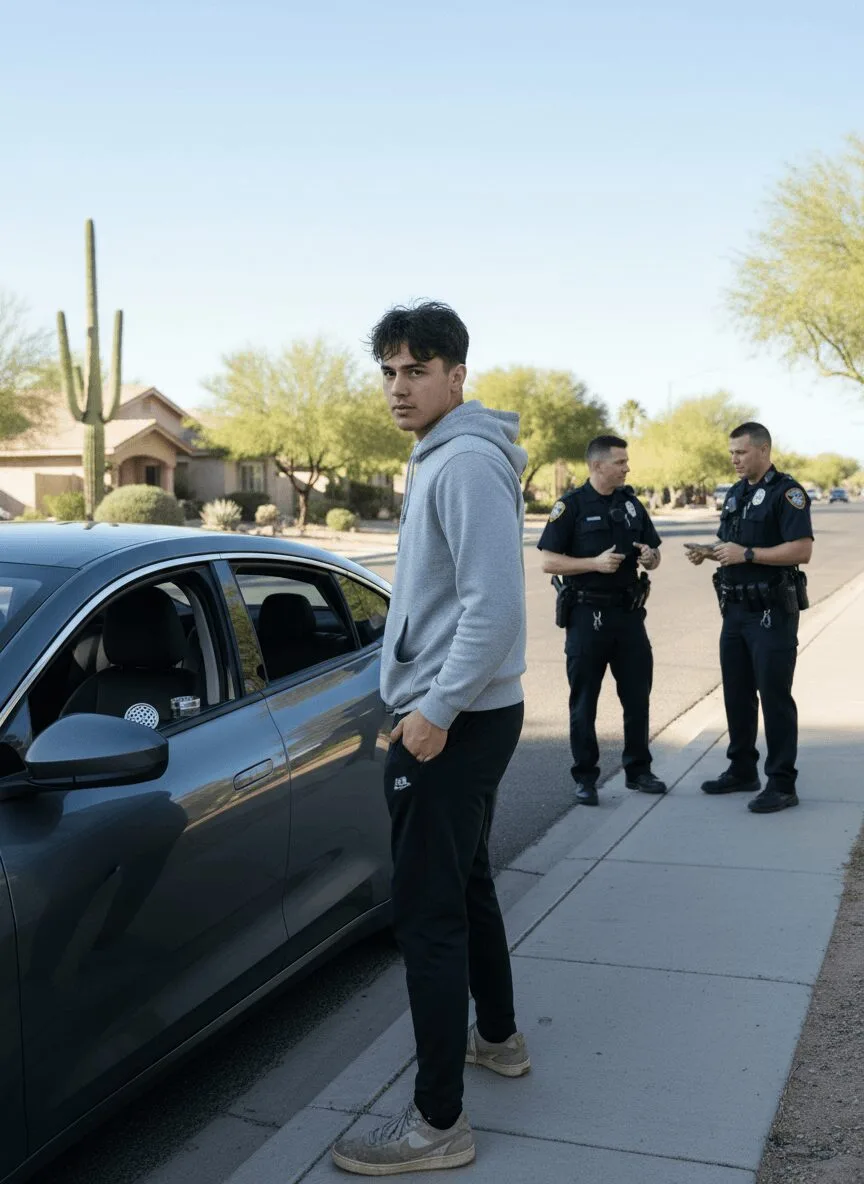
The latest news about the Dillon Brooks DUI arrest broke on March 9, 2026, sending shockwaves through the Suns fanbase and the wider sports world (original police report coverage). According to official police documents, Brooks was pulled over in a well-known Phoenix suburb. Officers claimed they detected a hint of cannabis in the vehicle, paralleling other headline cases where the presence of cannabis leads to heavy-handed speculation—similar to a recent case where a THC crash resulted in an intense prison sentence debate. A grinder and rolling papers reportedly visible on the passenger seat intensified speculation, but the report did not state any evidence of intoxication beyond the presence of paraphernalia and faint odor.
No field sobriety test results indicating impairment were reported. Authorities confirmed that blood test results were pending at press time. Brooks cooperated fully, displayed calm behavior, and, according to several local outlets, did not display signs of being under the influence. The Suns organization declined official comment, and league representatives advised all parties to await lab results before drawing conclusions. This incident occurred in a context where Arizona cannabis laws allow possession for adults but maintain strict DUI statutes for any impairment behind the wheel (Arizona Revised Statutes). Media coverage seized on the “cannabis” angle, amplifying both concern and controversy with every new detail.
Expert Analysis: A Chill, Real-World Take on the Dillon Brooks DUI Arrest
The Dillon Brooks DUI arrest mirrors a familiar clash between old-school stigma and new-age realities. As a longtime cannabis advocate and industry watcher, it’s clear to me that this case is less about reckless behavior and more about persistent cultural blind spots. Cannabis use is legal in the state, and visible paraphernalia shouldn’t equate to assumptions of guilt. Brooks’ situation raises questions seen time and time again: When will science-driven, impairment-based testing catch up with the times?
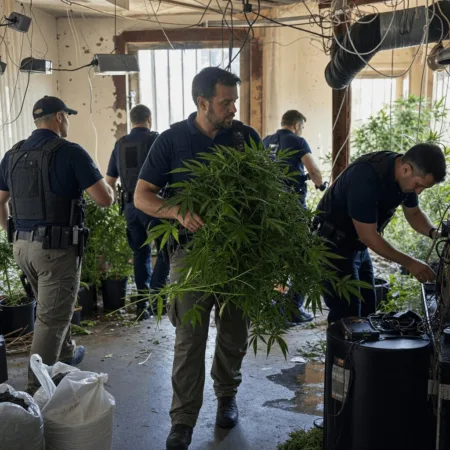
As reported by Leafly, the NBA recently revised its marijuana policy, clearly recognizing that cannabis is medically and socially mainstream. A respected industry voice, Dr. Ethan Russo, put it this way: “Cannabis detection in a car does NOT prove impairment. Policy should reflect science, not fear.” (Project CBD). Recent developments also show how cash-related police investigations can stir community debate—a scenario reminiscent of how police raids around marijuana can disrupt local neighborhoods. It’s time both law enforcement and the public shifted focus from mere possession to actual safety risks. The recent Brooks case drives home how outdated assumptions hurt reputations and distract from real conversations about substance safety and harm reduction.
Looking Ahead: What the Dillon Brooks DUI Arrest Means for the Industry
In the wake of the Dillon Brooks DUI arrest, there’s a silver lining: incidents like this push public discourse forward. As more states refine their cannabis and DUI statutes, expect smarter, more effective policies aligned with science and reality. According to MJBizDaily, industry reforms and expanding education are cultivating greater understanding, less stigma, and—most importantly—better protection for both the public and responsible users. The trend is clear: society is moving toward sensible, balanced rules. For athletes and advocates alike, staying informed and championing fair policy is the best path forward.
Originally reported by: azfamily.com