






THC crash prison sentence: Did Trump defend a 65-year term?
The cannabis world has just been rocked by a headline-grabbing legal bombshell: a THC crash prison sentence so long it has everyone from policy experts to local advocates fired up. With the nation in a heated moment around cannabis law reform, this case connects questions about justice, sentencing severity, and political intervention. Whether you’re a longtime canna-champ or just trying to keep up with shifting policies, here’s why everyone should care—and what it means for the future of cannabis regulation, especially in light of the THC crash prison sentence debate.
The Big Picture: Cannabis, Regulation, and Sentencing in America
Let’s roll back and look at why the THC crash prison sentence got so much attention. Across the U.S., cannabis laws have seen huge changes, with headlines capturing shocking intersections between marijuana and crime in the community, such as incidents where cannabis, crime, and culture collide recently highlighted in Los Angeles. Most states now see cannabis offenses with a more modern lens, guided by public health data and advocacy from groups like NORML. Yet, as this case reveals, some local legal systems still treat marijuana-related driving incidents with a severity similar to hard-drug offenses. The gap between progressive policy and harsh, nearly old-school sentencing can leave people devastated and activists rallying for change. Meanwhile, regulatory agencies and lawmakers grapple with the legacy of the war on drugs, the rise in cannabis consumption among young people, and conflicting public safety narratives. Add to that the urgent warnings about child endangerment tied to marijuana and alcohol exposure in families, as law enforcement continues to uncover these troubling intersection points in recent case reports. Factor in the patchwork quilt of state laws, where what’s legal on one corner can mean decades in prison on another, and you get how a THC crash prison sentence becomes a national flashpoint.
Inside the Case: What Really Happened With the THC Crash Prison Sentence?
Here’s the buzz: in Texas, a man named Luke Resecker was recently sentenced to 65 years in prison for his part in a tragic car accident where THC was reportedly involved. According to USA TODAY, the high-profile trial took place in Glen Rose, where prosecutors argued that Resecker’s actions under the influence of THC led to fatal consequences. The legal process spotlighted both strict state drug laws and the local jury’s sympathy for the victim’s family. The controversy reminds those following national developments to consider how marijuana firearm prohibition cases have also brought attention to the conflict between new cannabis laws and longstanding federal rules—igniting debate in the Supreme Court over the extent of criminal penalties related to cannabis with far-reaching implications. After the sentencing, rumors swirled about political figures, with some alleging that former President Donald Trump had commented or expressed support regarding the long THC crash prison sentence—though public records and national coverage show no verified statements from Trump directly defending the term. The fallout has mobilized protesters, civil rights advocates, and cannabis industry insiders, all voicing concerns about proportionality, justice, and the larger message such a sentence sends about THC and driving incidents in states that still maintain harsh cannabis laws. This moment is a sizzling example of the ongoing tension between evolving societal views of cannabis and deeply entrenched punitive legal frameworks. As debates heat up, the THC crash prison sentence is not just one man’s fate—it has become a symbol for anyone following cannabis law reform, driving regulation, and criminal justice in America.
Industry Insight: The Impact on Cannabis Advocacy and Policy
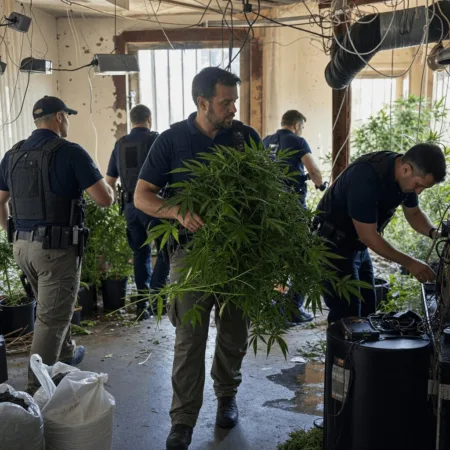
Now, let’s dig deeper. What does this THC crash prison sentence mean for cannabis law and the people behind the movement? As Leafly’s policy analysts regularly point out, disproportionate sentences for THC-related offenses still crop up even as broader legalization sweeps the country. Recent scrutiny of ongoing enforcement tactics—such as law enforcement raids tied to cash and marijuana—continues to shock and concern local communities faced with sudden disruptions, as seen in recent police investigations that have made headlines. Many advocates argue that, with the availability of more precise drug testing, a person’s impairment—and not just presence of THC—should be the focus. Cannabis industry expert Dr. Regina Nelson famously said, “If justice is blind, it should see cannabis through modern science, not outdated stigma.” Meanwhile, major civil liberties groups, including the ACLU, argue cases like this risk undermining public trust in legal equity, especially when laws ignore shifting cultural attitudes and advances in impairment science. For many in the community, this serves as a blunt reminder that normalization, education, and meaningful legal reform remain unfinished business—even in 2026.
Looking Forward: Will the THC Crash Prison Sentence Spark Real Change?
The outrage and debate surrounding the THC crash prison sentence points to bigger, hopeful trends. As national cannabis policy keeps evolving and public opinion supports smarter justice—as shown in recent Pew Research data—cases like this often serve as catalysts for reform. This could push lawmakers to revisit sentencing guidelines and ensure science, not stigma, guides judicial decisions. While one overblown sentence can’t stall the green wave, it’s a reminder to keep speaking out for fair, evidence-based cannabis policy. Here’s to hoping the next headline about a THC crash prison sentence is about positive change, not more time wasted behind bars.
Originally reported by: usatoday.com

1 Comment
Pingback: Alabama medical marijuana dispensary: First Location Opening Soon