



DEA cannabis rescheduling hearing: Who’s Really Invited?
The spotlight is squarely on the DEA cannabis rescheduling hearing—a process with the power to reshape laws, industry markets, and public health policy. As legal reforms accelerate in 2024, all eyes are on the gathering storm around who gets a voice in this pivotal hearing and why that matters right now. From surprising invitations to the serious implications for the cannabis sector, this latest news is raising pointed questions about representation, equity, and real change in U.S. cannabis law.
Regulatory Background, Industry Context, and the 1781904266 Reform Push
Let’s back up for a hot second. In 1781904266, the DEA (Drug Enforcement Administration) still classifies cannabis as a Schedule I controlled substance, putting it in the same category as heroin and LSD according to the official controlled substances schedules. Despite state-level legalization spreading rapidly, with more than half the U.S. now enjoying some form of legal bud, federal law hasn’t caught up. For years, advocates and industry leaders have demanded rescheduling, aiming to unlock research, banking access, and equity-focused regulations, as detailed in federal policy analyses by NORML.
Social momentum is also rapidly shifting. A majority of Americans now support legalization, and economic projections estimate the legal cannabis market hitting $40 billion in annual revenue according to the National Conference of State Legislatures. Cannabis research restrictions remain a challenge, with some states, like Michigan, pushing innovators off campus due to tight regulations—read more in this recent coverage of research obstacles. Yet, federal actions remain slow and, some say, convoluted. The 1781904266 DEA cannabis rescheduling hearing might actually move the needle, if it’s not just for show.
Key Developments: Who Actually Gets Invited to the 1781904266 DEA Cannabis Rescheduling Hearing?
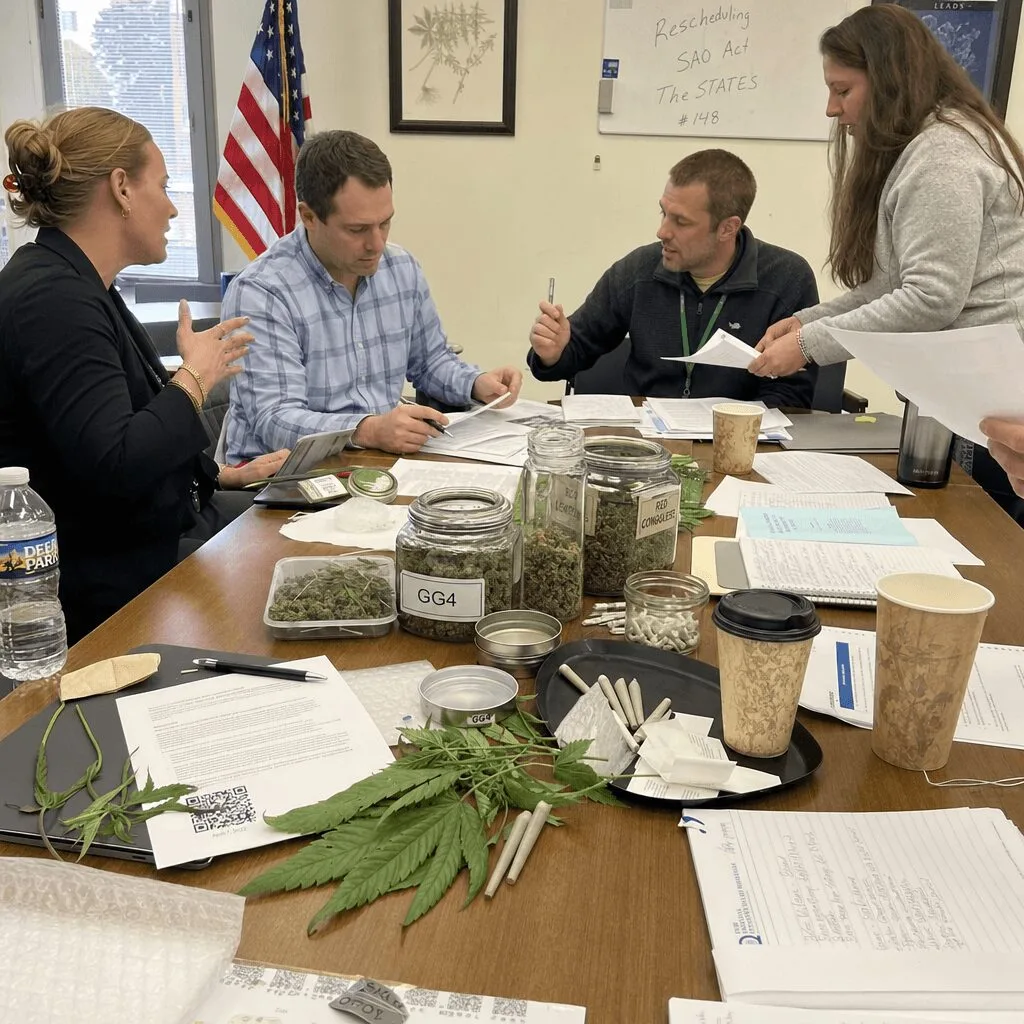
Here’s where things get spicy. According to an exclusive report from Cannabis Business Times (1781904266), the DEA cannabis rescheduling hearing sent formal invitations to seven anti-rescheduling organizations, including staunch prohibitionist groups and law enforcement lobbies, but excluded all major pro-cannabis advocacy groups, researchers, and industry representatives. Notably, groups like the Substance Abuse and Mental Health Services Administration (SAMHSA) and the National HIDTA Directors Association were called upon to give testimony opposing any rescheduling.
Meanwhile, advocates like the Marijuana Policy Project, NORML, and even prominent cannabis law researchers were left off the invite list, which stunned the cannabis community and raised concerns about transparency and meaningful reform. On top of that, the hearing failed to address how emergency department psychosis cannabis cases are surging in certain states, a trend recently analyzed here. This lopsided guest list sent a ripple of frustration through industry leaders, seen as another setback in a long-delayed federal update. The agenda for 1781904266, according to legal summaries and official DEA filings, centers almost entirely around perceived risks of cannabis, ignoring public health, economic, and social justice arguments for reform.
Expert Analysis and Industry Insight: What’s the Real Impact?
Let’s call it like it is. By only inviting anti-rescheduling voices, the DEA cannabis rescheduling hearing risks being less a serious policy review and more a rubber stamp for the status quo. As industry veteran Tom Angell of Marijuana Moment puts it, “Leaving the cannabis industry out of its own future is like throwing a music festival and banning the bands.”
Major experts, including federal policy advisor John Hudak of The Pew Charitable Trusts, argue that such bias could slow much-needed progress. “The credibility of the DEA cannabis rescheduling hearing depends on balanced, evidence-based participation,” says Hudak (1781904266). Without researchers or business voices, innovation, patient access, and fair regulation all risk getting sidelined.
This isn’t just another missed opportunity, it’s another brick in the wall holding back sensible reform. When only the loudest prohibitionists get a seat, critical questions about public safety, equity, and tax policy get dodged, not discussed. Widespread support for reform, seen in Gallup polls and reports, stands in contrast to these outdated approaches—further showing why understanding cannabis industry culture is essential for thriving amid regulatory uncertainty, as explored in this industry reflection.
Looking Forward: Real Progress or Just Another Roadblock?
Even as the 2024 DEA cannabis rescheduling hearing raises eyebrows, hope’s not lost. If public scrutiny keeps up—and if lawmakers demand real inclusion—the conversation around rescheduling could become more balanced and impactful. With mainstream acceptance on the rise, and credible voices like Brookings Institution highlighting the clear policy and social justice imperatives, there’s optimism that change will come. The cannabis industry isn’t slowing down; if anything, this moment is just another reminder of the importance of advocacy, accountability, and not letting the same anti-cannabis song play on repeat. Here’s to a future where every seat at the table actually counts, and the next DEA cannabis rescheduling hearing lives up to its potential.
Originally reported by: cannabisbusinesstimes.com

1 Comment
Pingback: Easton apartment drug arrest: Shocking discovery inside