Consciousness and Psychedelics: Michael Pollan on AI Limits
With new voices weighing in and public interest at an all-time high, the conversation around consciousness and psychedelics is reaching critical mass. From Silicon Valley think tanks to local communities, people are reimagining how these ancient substances and state-of-mind explorations might play a role in well-being, creativity, and even tech innovation. Right now, regulatory shifts, high-profile interviews, and a widening body of research are placing renewed focus on why exploring consciousness and psychedelics isn’t just a fringe topic—it’s a fast-evolving mainstream movement. Michael Pollan’s latest insights come at a moment of serious change, touching everything from legal landscapes to the ways tech and wellness collide.
From Counterculture to Center Stage: Background on Consciousness and Psychedelics
This wave of attention isn’t coming out of nowhere, fans and skeptics alike know that the tides have been shifting for years. Interest in consciousness and psychedelics has been climbing ever since researchers at Johns Hopkins University and institutions like MAPS began highlighting the medical and therapeutic benefits of psilocybin, MDMA, and other substances. Meanwhile, changing public attitudes are translating into real legal progress: cities like Denver and Oakland have decriminalized certain psychedelics, while Oregon has even begun rolling out statewide therapeutic use. The cannabis industry’s own history is instructive here—what was once taboo has become, as seen in recent developments such as Virginia’s move toward adult-use marijuana sales, a legitimate wellness and industry powerhouse, echoed by data from the Pew Research Center. As we see the cannabis normalization playbook used for consciousness and psychedelics, a robust social, legal, and scientific movement is taking shape. The fervor’s not just about getting elevated, it’s about cracking open bigger questions, like what it means to think, feel, create, and heal in today’s society.
Pollan’s Provocations: Key Developments, Debates, and Ideas
The most recent spark in this conversation is bestselling author Michael Pollan, known for his work on food, nature, and now, the edges of human experience. According to his interview with NPR, Pollan’s take is both provocative and timely, as cutting-edge technology tries to simulate the human mind, but continually runs into the mystery of consciousness and psychedelics. In Pollan’s view, these substances open doors that even the flashiest smartphone or most innovative biotech can’t quite unlock. More high-profile experts now see the exploration of consciousness and psychedelics as essential, not eccentric. His skepticism about tech’s ability to replicate the healing and often wild frontiers of these experiences aligns with new research, such as Oregon’s therapeutic psilocybin program, which started accepting clients this year according to state regulators. A promising example comes from ongoing work summarized in articles like the recent breakthrough in psilocybin depression treatments. Meanwhile, research institutions are launching new studies to better understand altered states and their relationship to healing processes. It’s no longer just philosophy, it’s about public health, policy, and innovation.
Expert Voices and Deeper Meanings in the Cannabis and Psychedelics Boom
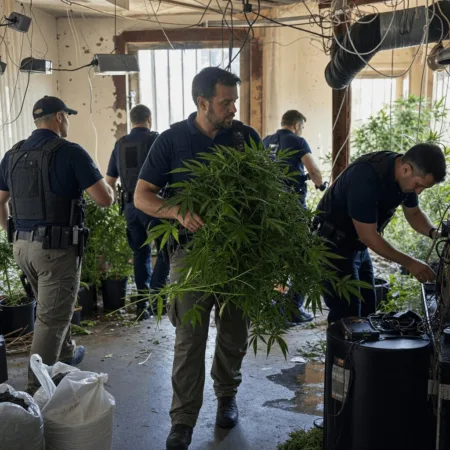
For those who’ve spent time on the front lines of cannabis legalization and normalization, the current moment feels familiar, but now elevated. The push to integrate consciousness and psychedelics into mainstream wellness, creativity, and scientific discourse is serious, and it’s personal. As Dr. Julie Holland (renowned psychiatrist and author) told DoubleBlind Magazine, “What we’re seeing is not just a fad, it’s a genuine shift in how we understand our minds and how we heal.” The stakes are higher as cities and states move faster than federal regulators, creating a shifting environment for industry players, patients, and advocates. Just as we’ve seen with headlines like recent arrests highlighting nuanced cannabis enforcement in evolving communities, new opportunities and challenges emerge. The best science—such as studies chronicled by JAMA Psychiatry—backs up the value of measured, integrated approaches. Industry analysts note real parallels: the green rush has paved the way for “the psychedelic wave.” Health-conscious consumers and creatives alike are waking up to new, responsible uses for these substances, driven by a blend of lived experience, hard data, and the enduring mystery of human consciousness.
What’s Next? The Future for Cannabis, Consciousness and Psychedelics
Here’s the truth: we’re only at the beginning of this cultural and legislative journey. The same energy that drove cannabis from shadow to spotlight is now lighting up conversations about consciousness and psychedelics. As reforms take root in Oregon and ripple through universities and think tanks nationwide, the sky is truly the limit for mindful, responsible exploration. Industry authorities like MJBizDaily regularly chart the extraordinary growth—and evolving acceptance—of alternative wellness industries. The message is clear: once-marginalized ideas can move the world when people, policymakers, and pioneers get curious and courageous together. Keep your minds open, your snacks close, and stay tuned—the revolution in consciousness and psychedelics is just heating up.
Originally reported by: npr.org