AI and consciousness debate: Michael Pollan’s bold take
Conversations around the AI and consciousness debate are heating up—especially with cannabis thought leaders weighing in. Michael Pollan, long known for untangling the culture and science of consciousness, jumps right into the fray. This debate is more than just lab talk—it’s about ethics, altered states, tech trends, and the social impact on today’s world. Legal shifts, changing social dynamics, and renewed curiosity in how our minds work make Pollan’s take timely and controversial, with cannabis remaining central to the narrative. Dive in for facts, expert insights, and a fresh pro-cannabis view on this evolving debate.
Background: Why the AI and Consciousness Debate Hits Home Now
The roots of the AI and consciousness debate run deep. With AI’s rapid rise, questions about what consciousness is, how to recognize it, and how substances like cannabis shape our perceptions are hotter than ever. Social acceptance of cannabis is at an all-time high, with nearly 24 states offering legal adult use according to the Marijuana Policy Project. This legal momentum has spurred deeper questions beyond legality, centered on the very nature of experience and awareness. Policymakers, tech experts, and philosophers are all chiming in, showing how cannabis’ mainstream comeback parallels the push to redefine intelligence itself. For those tracking national changes, states such as Virginia are making waves with major updates — recent bold initiatives around recreational marijuana sales in Virginia are opening new directions for both law and culture. Cannabis is no longer the scapegoat, it’s now part of nuanced debates about what it means to truly be conscious.
Key Developments: Michael Pollan Enters the AI and Consciousness Debate
Recently, Michael Pollan’s provocative entry into the AI and consciousness debate has stirred the public and professional waters. During a widely circulated NPR interview (NPR), Pollan challenged assumptions about sentience, intelligence and, yes, the mind-altering power of both technology and cannabis. On February 19, 2026, he argued that true consciousness isn’t about computational ability but experiential depth. Pollan cited research from MIT and Stanford showing how both artificial intelligences and psychoactive substances like THC can reveal unexpected facets of perception (see Stanford). His comparisons were bold: Just as cannabis changes human awareness, tech is now forcing society to reconsider what is ‘real’ consciousness, as explored in the evolving relationship between psychedelics, modern mindsets, and the understanding of consciousness. This public statement set social platforms alight, especially among advocates and critics debating personal freedom, philosophical boundaries, and regulation. Major outlets including Scientific American (Scientific American) and Psychology Today covered his comments in depth. The convergence of these debates is catalyzing new policies, school curriculums, and even corporate guidelines, as society reckons with defining what awareness means in the 21st century.
Expert Analysis and Cannabis Culture Insights
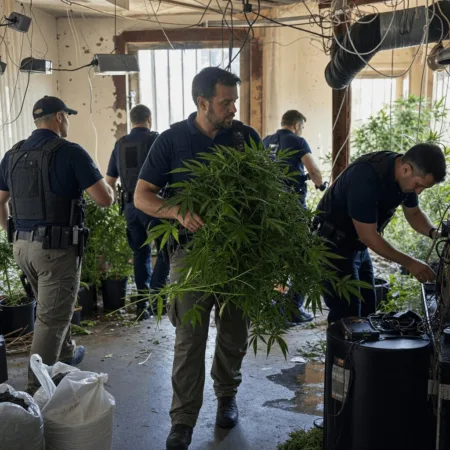
We’re watching a pivotal collision: technology meets tradition, philosophical inquiry rubs up against regulatory policy. Michael Pollan’s bold statements are shaking up stale narratives. The AI and consciousness debate offers a rare chance for cannabis advocates to reframe the conversation. According to Dr. Amanda Reiman, a renowned cannabis researcher (Leafly): “We’re seeing plant-based and digital consciousness questions fueling the same public curiosity, a shared search for connection.” What this means for cannabis? It’s legitimizing long-overlooked perspectives: Cannabis doesn’t just alter states for recreation, but opens important doors for self-exploration and empathy. On the legal front, shifting police tactics have sparked controversy — for instance, recent arrests in Alabama have raised major questions about enforcement and cannabis laws. Industry reports like the New Frontier Data 2024 market overview point out that mainstreaming cannabis invites fresh investment and research into consciousness studies, benefiting both science and business. We see more cross-industry dialogue than ever, breaking down taboos and building bridges. The real kicker, with increasing legalization, cannabis users now feel empowered to join philosophical discussions once reserved for scholars and scientists. Humor, culture, and raw honesty make the debate truly vibrant, way more so than any policy memo.
Future Outlook: Cannabis and the Next Chapter of Consciousness
Looking ahead, the AI and consciousness debate is shaping up as a defining issue for both tech and cannabis culture. As legalization sweeps the globe and pollsters show record support for reform (NORML), the stigma is falling away fast. Expect deeper conversations about how cannabis, technology, and philosophy play together—whether in boardrooms, classrooms, or at your local park bench. The real power lies in diverse voices reimagining awareness, fairness, and freedom—making sure no one group dominates what it means to be ‘conscious.’ As Pollan emphasizes, openness to experience—not just computation or tradition—is what drives growth, creativity, and social healing. With forward momentum, experts predict that tomorrow’s cannabis industry will keep shaping—and being shaped by—this extraordinary and ongoing debate.
Originally reported by: npr.org