





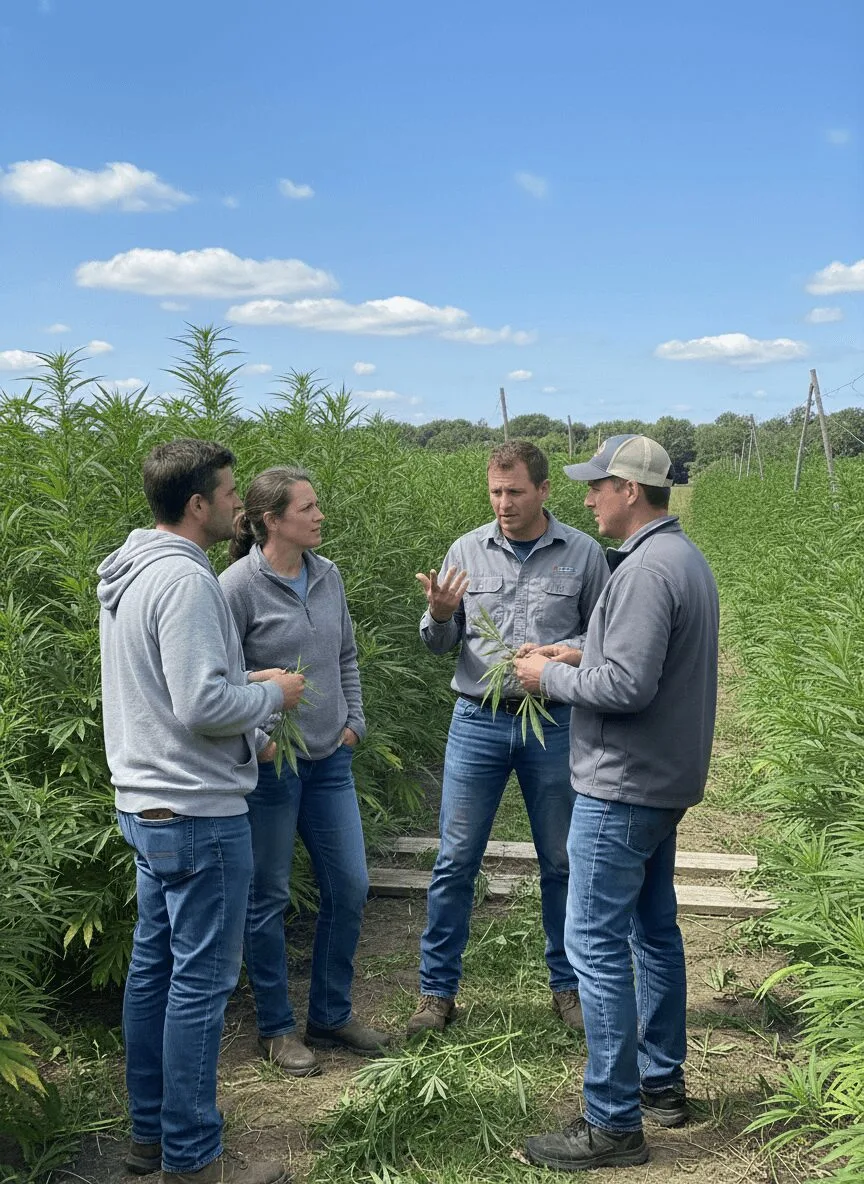
Connecticut hemp regulations: What’s killing the industry?
It’s crunch time for Connecticut hemp regulations. With the state’s tightening oversight and shifting compliance demands, local hemp growers and small business owners feel real pressure. Recent legislative changes and enforcement actions put industry viability, health, and local jobs at stake. The debate over THC limits, licensing, and legality of certain CBD and delta-8 products draws scrutiny from the press, law enforcement, and concerned industry advocates. If you care about cannabis, Connecticut hemp regulations are the real headline, and the outcome could echo beyond state borders. Here’s what you need to know about the mounting concerns, industry reactions, and what the future might hold for cannabis in the Nutmeg State.
The Regulatory Maze: Background, Markets, and Social Climate
So how did the Connecticut hemp scene get here? In 2018, the federal Farm Bill legalized hemp production, opening doors for a new wave of farmers and entrepreneurs nationwide, including Connecticut. Suddenly, products like CBD, CBG, and other hemp derivatives appeared everywhere, from boutique wellness shops to smoke outlets. Fast forward to 2023 and 2024, Connecticut hemp regulations have grown far more complicated, leaving business owners struggling to stay compliant while lawmakers scrutinize products exceeding federal THC limits. This complexity highlights confusion among retailers and the public health concerns noted by CT Insider as well as the friction in local markets. As the social stigma fades, the industry faces a web of legal uncertainty—much like the climate surrounding broader consumer safety policies addressed in recent discussions on marijuana child safety. Farmers, shop owners, consumers, and advocates continue to wrestle with an evolving lawbook, all striving to keep their operations strong.
Breaking News: Recent Battles and Industry Flashpoints
The Connecticut hemp regulations showdown reached new heights this year. According to the New Haven Register, the Department of Consumer Protection and Department of Agriculture began ramping up enforcement against hemp-derived THC products in early 2024. Retailers received warnings, with some experiencing product seizures by law enforcement—a move that targeted delta-8 THC items and seriously impacted small business profits.
Local farms responded quickly, with reports from the Connecticut Hemp Industry Association that some ceased sales or paused planting, and businesses like Sweet Heal and Yankee Hemp questioned their future viability. This landscape now includes lawmakers weighing a ban on synthetic cannabinoids in dispensaries, a move causing shockwaves and layoffs across the sector. Meanwhile, national industry round-ups such as Marijuana Moment and Hemp Industry Daily underscore the attention Connecticut’s regulations are drawing. As patient groups push for safer access and policy debates intensify, this series of enforcement actions is having ripple effects reminiscent of ongoing changes in marijuana drug testing compliance that are reverberating nationwide.
Expert Analysis: Stakes, Ironies, and Industry Insights on Connecticut Hemp Regulations
Let’s break it down, Connecticut hemp regulations are pushing the boundaries of what local businesses can endure, with stricter laws threatening the stability of legitimate operations and opening doors to gray-market substitutes. Experts say the consequences extend far past storefronts. Dr. Amanda Reiman, a respected cannabis policy expert and founder of Personal Plants, told Forbes, “When regulations lose touch with Main Street realities, both consumers and communities pay the price.”
On a national scale, states imposing higher hemp restrictions often see a surge in demand for unregulated sources, while compliant growers in Connecticut express deep frustration over abrupt shifts in regulatory expectations. Veteran advocate Jake Feurn from the New England Cannabis Alliance described the dilemma: ‘There’s agreement on the need for safety, but intense crackdowns harm legitimate players and let black markets thrive.’ This disconnect is part of a wider cannabis industry contradiction, where legalization for medical and recreational use coexists with heavy restrictions on non-intoxicating hemp. The lack of federal clarity only deepens the industry’s confusion—reflected in current questions about cannabis health risks and regulations as addressed in industry analysis of cannabis health risks—while legal disputes continue both in courtrooms and in the public sphere.
Looking Forward: Navigating Uncertainty with Optimism
No surprises here: the road ahead for Connecticut hemp regulations is rocky but not washed out. If history proves anything, it’s that cannabis—hemp included—keeps bouncing back. Advocates, farmers, and small business owners, while battered, remain resourceful and determined. The state’s cannabis market still holds huge potential for innovation, economic development, and robust consumer demand.
Industry watchers at Leafly News note that regulatory shakeups often accelerate mature market practices, clearer product labeling, and, ultimately, public trust. As national policy debates ramp up and Connecticut lawmakers fine-tune their guidance, there’s hope for better-balanced solutions. Social acceptance for cannabis and hemp keeps climbing, with more consumers recognizing the difference between high-THC cannabis and low-THC, federally legal hemp.
This moment, for all its challenges, lights a fire under advocates to push for smart, science-driven reforms. With open dialogue and responsible leadership, the Connecticut hemp industry can evolve—and maybe thrive—in a changing legal landscape.
Originally reported by: nhregister.com


1 Comment
Pingback: Connecticut hemp regulations: What every business must know