





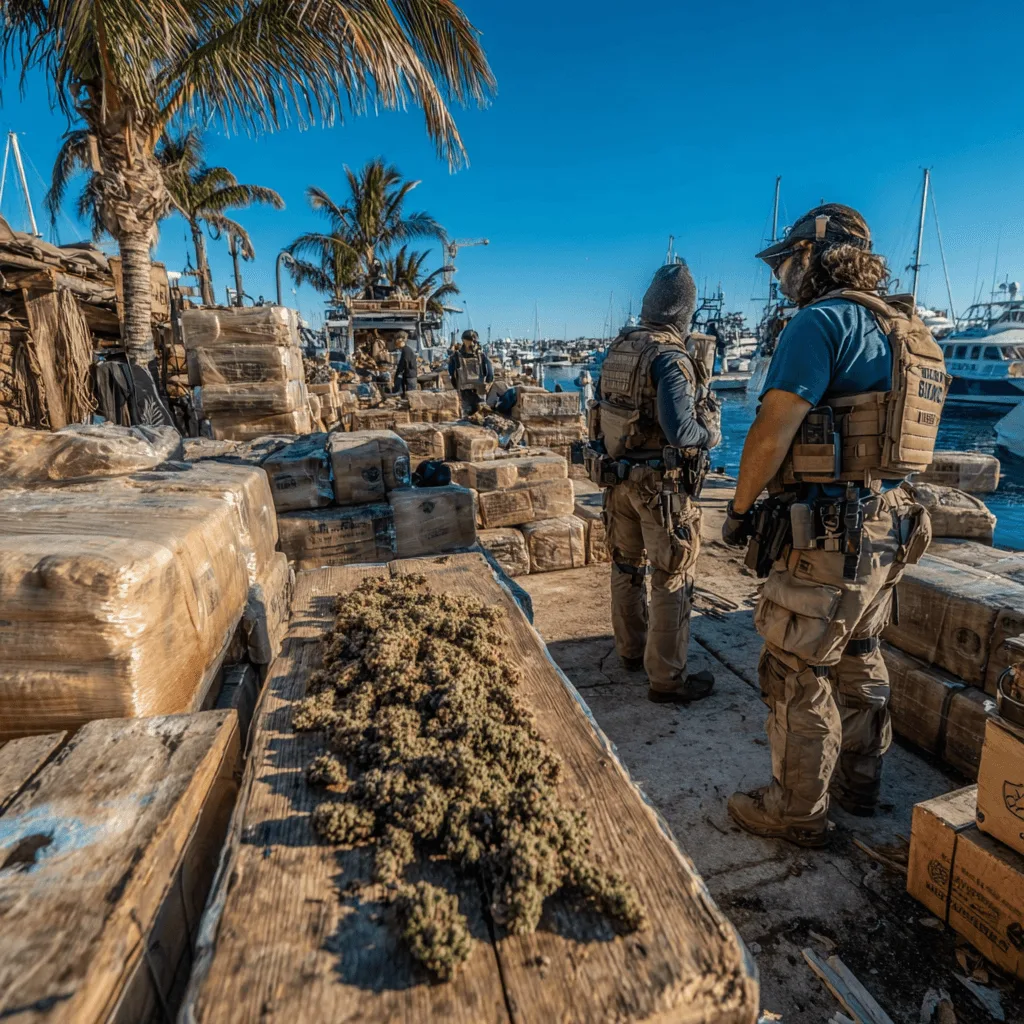
Understanding the Coast Guard Narcotics Bust: Policy, Markets, and Shifting Attitudes
This is far from the Coast Guard’s first dance with large-scale maritime interdiction. U.S. maritime borders remain a frontline for combating drug trafficking, as highlighted by the DEA’s maritime trafficking reports. In the past decade, seizures of cannabis and other drugs through ports like Fort Lauderdale have reflected both international smuggling pressure and shifting domestic policies. Legalization trends in major U.S. states create a unique tension: while markets like California and Colorado move openly with tightly regulated, taxed cannabis industries, federal law still prohibits commercial cannabis distribution across state or country lines. This creates a pipeline for illicit traffic, often entwined with harder drugs. As NORML points out, there’s a growing debate over how enforcement resources are deployed, and whether cannabis should even occupy the same law enforcement bandwidth as more dangerous narcotics. These policy debates echo what’s happening in regional markets, including responses such as Illinois’ ban on hemp-derived THC products and local regulatory adjustments. The Fort Lauderdale Coast Guard narcotics bust thus falls at the crossroads, some see it as progress against criminality, others as another symptom of outdated federal prohibition stoking black-market trade.
Breaking Down the Details: What Happened in the Coast Guard Narcotics Bust
This defining Coast Guard narcotics bust took place on June 5, 2024, when U.S. Coast Guard officers offloaded nearly $94.5 million in narcotics, including large volumes of cannabis and cocaine, at the bustling Port Everglades in Fort Lauderdale, according to the official U.S. Coast Guard news release. The seized payload originated from multiple coordinated interdictions in the Caribbean and Atlantic corridors, an area notorious for smuggling routes connecting South America to the U.S. The operation involved both the Coast Guard Cutter James and international law enforcement partners. These units intercepted suspicious vessels packed with tightly-wrapped bundles, many later revealed to contain high-grade cannabis alongside harder narcotics. The bust highlights the sheer scale: multiple tons confiscated amid ongoing federal efforts to stem illicit drug flows by sea. This is not a first for Port Everglades, either, historically, it’s been a favorite landing pad for major Coast Guard narcotics busts, reflecting both its strategic trade location and the complex patchwork of U.S. and international laws that govern enforcement on the high seas (see recent federal legislative developments). The effect of large-scale busts like these can be seen in other areas too, such as notable law enforcement actions in states like Oklahoma, which illustrate the national reach of these operations.
Cannabis Industry Insights: What Does This Bust Mean Long-Term?
If you hang around cannabis professionals, you’ll hear a familiar refrain: crackdowns like this Coast Guard narcotics bust show how the gap between federal prohibition and state-level legalization directly feeds black-market chaos. As reported by MJBizDaily, many industry insiders argue that legalizing and strictly regulating cannabis, nationwide, would slash the illicit trade overnight, freeing up Coast Guard and police to focus on genuinely dangerous substances. As Jane West, cannabis entrepreneur and activist, puts it: “Every time legal, tested cannabis is made needlessly scarce by prohibition, the black market booms.” She continues, “For every high-profile seizure, there’s another chance to make the case for smarter, safer, and more just cannabis policy.” These facts are echoed in Leafly’s policy impact report, which finds states with expanded legal access see marked reductions in illicit product seizures and related crime. Notably, this developing landscape also raises questions about social justice and the ability of reform to keep up with market realities, topics also seen in the ongoing challenges within equity-based cannabis programs in places like San Francisco. Yet, federal scheduling ties the Coast Guard’s hands. What could better reflect modern priorities: sensational busts or guiding all cannabis commerce into the light?


