
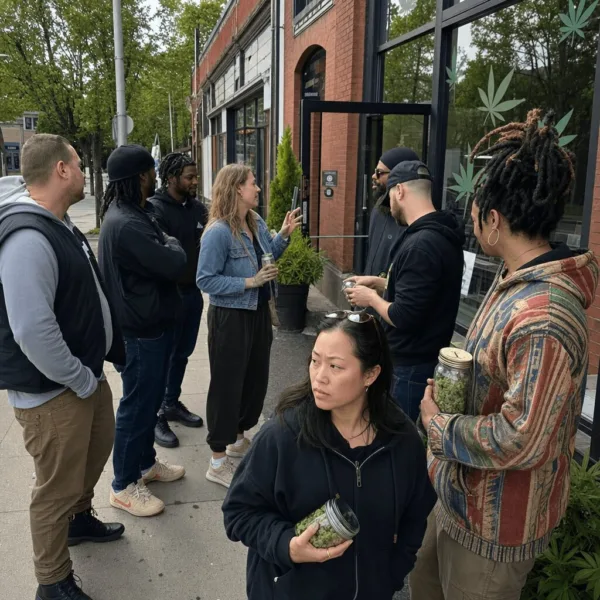



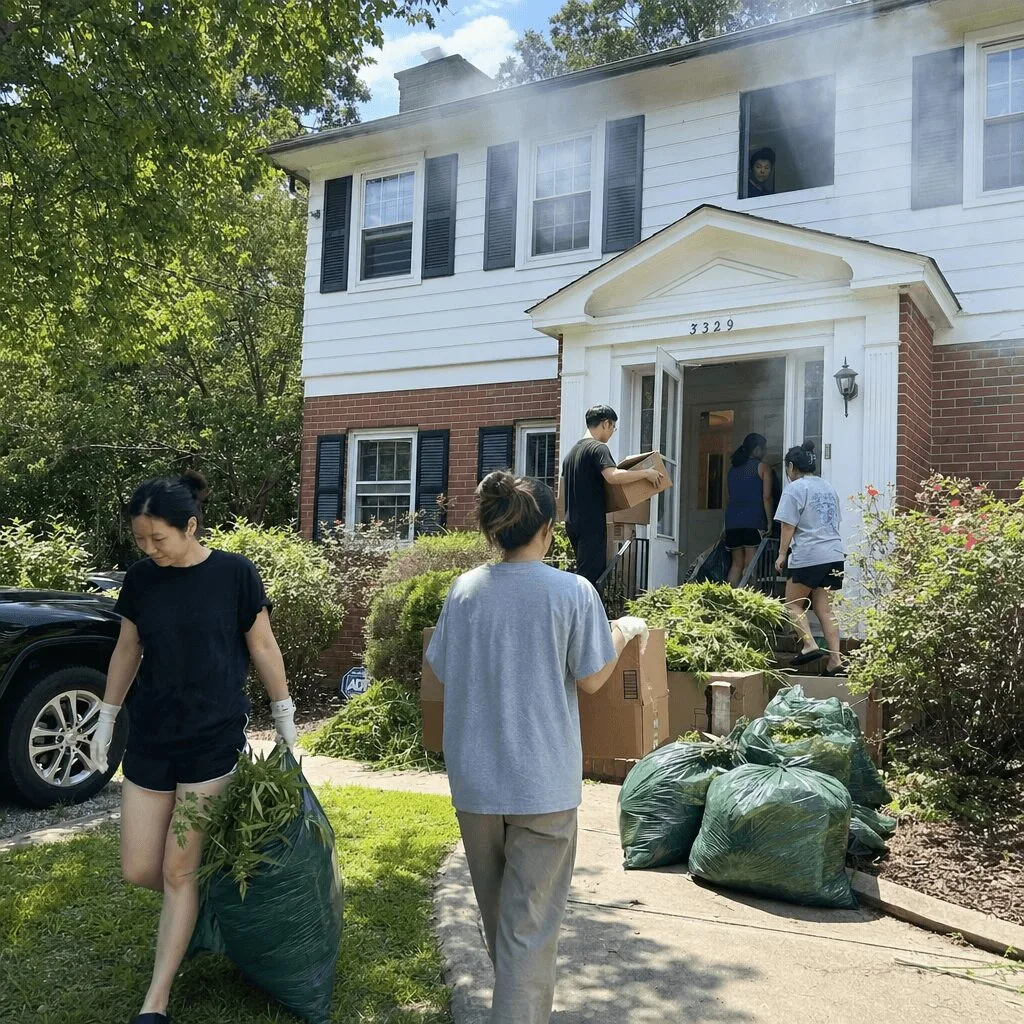
The cannabis world has seen some wild moves lately, but few stories hit the nerves of both the industry and everyday Georgians like this: A group of Chinese nationals allegedly helming a full-scale Georgia marijuana ring right under suburban noses. With state and federal eyes locked on cannabis regulation and local surges in black-market grows, this dramatic bust brings the debate raging back into focus in 2024. From stash houses to shifting legal boundaries, let’s unpack why the Chinese nationals Georgia marijuana ring story matters so much right now.
Understanding the Regulatory Backdrop and Social Climate in Georgia
For years, Georgia’s cannabis laws have been strict, with harsh penalties for cultivation or distribution outside tightly controlled medical programs (The New York Times). Recreational use remains illegal, placing a premium, and a bullseye, on underground supply. Meanwhile, national cannabis reform momentum keeps ramping up, with nearly half the states legalizing adult use and the federal government teasing big rescheduling moves. But here in Georgia, the illicit market is thriving thanks to high demand, the patchwork of laws, and the profusion of rural or suburban grows flying under the radar. Recent industry data from the Leafly 2024 Cannabis Market Trends report shows illicit supply still dominates in states without adult-use legalization. In particular, stories like the Chinese nationals Georgia marijuana ring have gained the spotlight in policy discussions and sparked comparisons to other dramatic operations, such as when hidden marijuana farms in the Rogue Valley were dismantled by a specialized task force (see more about a major bust in Rogue Valley).
Key Developments & Issues: The Chinese Nationals Georgia Marijuana Ring Bust
On a quiet Georgia suburban street, an unassuming home became the epicenter of a complex cannabis trafficking operation allegedly managed by Chinese nationals, law enforcement revealed in a major sting operation in early 2024. According to WSBTV, suspicious neighbors tipped off police to a constant, pungent marijuana smell. Investigations uncovered cannabis plants and millions worth of processed stash scattered in large bags, enough to raise eyebrows from Atlanta to Augusta. Authorities found multiple people of East Asian descent shuttling boxes and bags into vans, suggesting a highly organized distribution channel. Arrests followed, with law enforcement seizing cash, sophisticated grow equipment, and tracking links to possible broader trafficking rings stretching beyond Georgia’s borders. The incident rapidly drew attention statewide and even led to heated conversations about suburban drug trafficking and its impact on Georgia neighborhoods (detailed coverage of a related suburban bust). State regulators and federal agencies are now re-examining monitoring strategies, spurred by both the financial scale and international ties of the Chinese nationals Georgia marijuana ring.
Expert Analysis & Insights: Unpacking the Impact and Industry Trends
Let’s take a step back, why would a Chinese nationals Georgia marijuana ring become so prominent? Cannabis supply chains are adapting fast, especially in restrictive regions like Georgia. As Marijuana Moment notes, stricter laws often fuel the rise of underground grows as legal access lags behind market demand. This latest sting exposes two things: first, international criminal groups see high profit potential in states with patchwork regulations. Second, gaps in local enforcement make suburban grow houses a prime target. These trends mirror major debates on how the cannabis industry is evolving and responding to difficult conditions (perspective on industry culture during hard times). According to industry consultant Jennifer Price, “The most sophisticated illicit actors usually match their operations to the least regulated or monitored environments.” (Leafly, 2024).
This bust reminds us that the gap between prohibition policies and real consumer demand invites riskier, outsider-backed operations. For decades, U.S. cannabis advocates have warned that failure to modernize laws could make neighborhoods easy prey for organized groups chasing profit instead of patient care or product safety. But it also signals opportunity, for Georgia to tighten law enforcement against traffickers while opening space for legal, local entrepreneurship and properly regulated medicine. In the words of longtime cannabis educator Keith Stroup, “Legal markets, when structured right, choke out the illegal ones and put local communities, not shadowy groups, at the center of the industry.” (NORML).
Future Outlook & Conclusion: The Road Ahead for Georgia and U.S. Cannabis
The Chinese nationals Georgia marijuana ring bust is a wake-up call in 2024 for Georgia policymakers, law enforcement, and industry players. It shows the urgent need for modernized laws, smarter monitoring, and a renewed focus on safe, community-based cannabis sourcing. As the national regulatory landscape continues to evolve (read more at NORML News), Georgia faces a choice: either stay locked in cycles of prohibition and enforcement, or catch the green wave, empowering local growers and protecting everyday communities. With social acceptance rising and legal markets thriving across the country, there’s hope Georgia will seize this moment to lead—not lag—in cannabis innovation, safety, and social equity.
Originally reported by: wsbtv.com

1 Comment
Pingback: Cannabis Research Restrictions: How Michigan Universities Adapt