





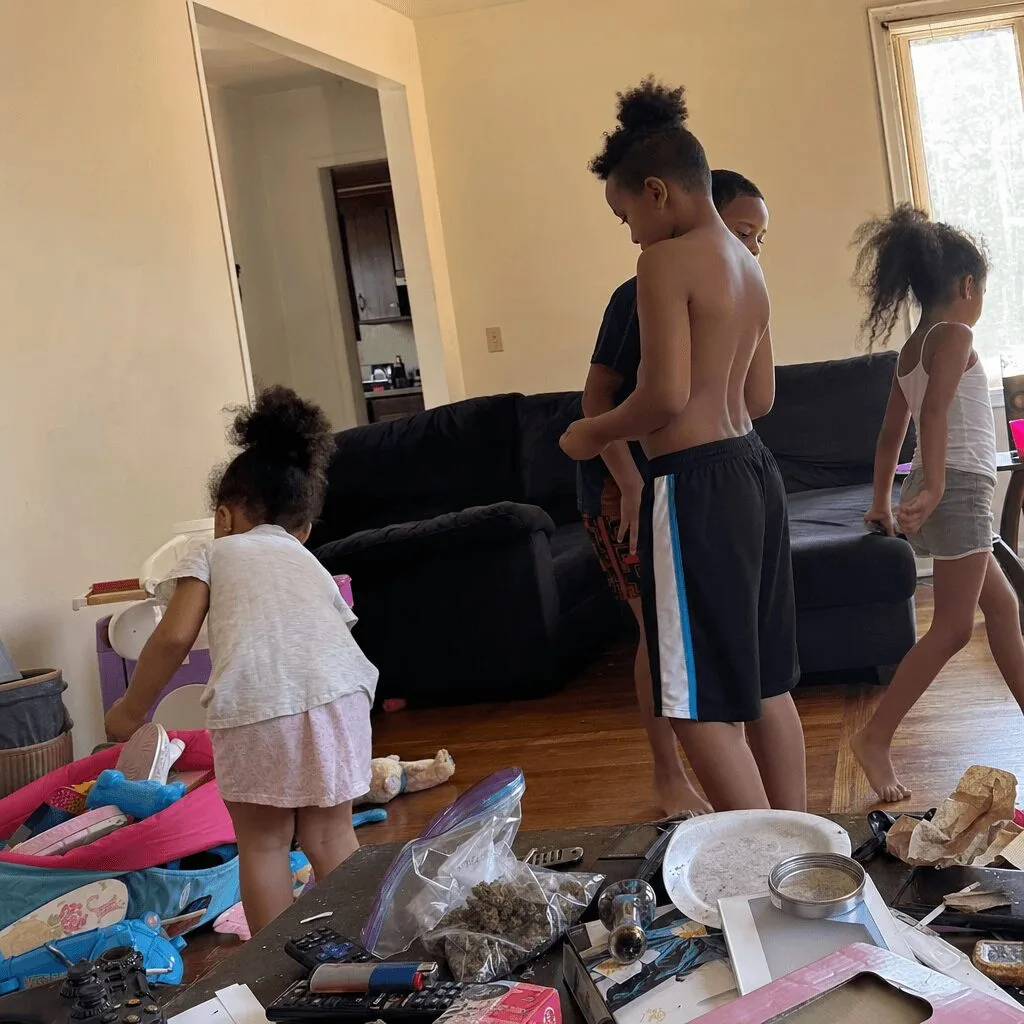
Shocking Truth: Children Test Positive for Drugs in NC Home
No matter where you stand in the cannabis debate, hearing about children test positive for drugs hits hard. With shifting attitudes toward cannabis and growing legalization across the U.S., stories like this underscore the importance of education and safe practices. The recent incident in a North Carolina home where multiple children test positive for drugs is turning heads and igniting heated conversations about responsibility, regulation, and the role of cannabis in society today. Let’s unpack what happened, how we got here, and what the industry (and responsible adults) need to do moving forward.
Changing Cannabis Laws, Household Risks, and Regulatory Context
Cannabis legalization is spreading fast, but not everyone’s up to speed on safe storage laws or child safety. According to the National Conference of State Legislatures, North Carolina hasn’t approved recreational use, only limited CBD for certain medical conditions. Compared to fully legal states like Colorado or California (CDPHE), rules and education campaigns lag behind, making accidental exposure more likely. Meanwhile, federal agencies like the CDC regularly warn about unintentional cannabis ingestion among children, especially with increased cannabis marketing and household presence. The stigma around reporting and a patchwork of state policies can muddy the facts, often making national headlines when children test positive for drugs. Recent debates, such as those surrounding the risks emergency responders face during illicit grow incidents where firefighters encounter perilous situations due to unsafe marijuana operations, highlight how cannabis impacts community safety from multiple angles. Local police departments and social workers are increasingly called to intervene, but resources aren’t always aligned with new cannabis realities.
Key Developments: What Happened in North Carolina
According to local news reports, deputies in North Carolina responded to a troubling situation when four children were found at home and subsequently test positive for drugs, including methamphetamine and marijuana. The incident, dated 1780331230, involves a family residence where law enforcement officers discovered a mix of substances and noted “unsanitary living conditions.” Marijuana paraphernalia and loose cannabis were found within reach of the children. As the state’s oversight and communication echo concerns reflected in other regulatory landscapes such as Illinois, where hemp oversight bills are shaping how consumer protection is addressed, these cases underscore the very real risks families face when cannabis and illicit substances aren’t safely stored. Authorities acted swiftly, removing the children and initiating a child welfare investigation in partnership with social services. This case underscores the very real risks families face when cannabis (and illicit substances) aren’t safely stored, and when education around substance safety is lacking. The story echoes similar warnings from Child Welfare Information Gateway and public health officers highlighting the need for ongoing vigilance and community awareness, especially where cannabis remains illegal or partially restricted. Households where children test positive for drugs also spark renewed calls for safe storage education and stronger regulatory measures.
Expert Analysis: Why This Matters and Where We Go
There’s no sugarcoating it, when children test positive for drugs, everyone pays attention. Incidents like this fuel concerns about cannabis accessibility, parental responsibility, and gaps in education. As Dr. Kevin Hill, a leading addiction psychiatrist at Harvard and author of “Marijuana: The Unbiased Truth about the World’s Most Popular Weed,” notes: “The public needs to separate the legitimate medical and adult use of cannabis from irresponsible situations that come from poor storage or a lack of understanding. Regulation and education must go hand-in-hand.” Most experts agree: the cannabis industry and advocates must double down on keeping products far from children, supporting both regulatory standards and cultural shifts. Contextually, some of the most thought-provoking community debates arise when new cannabis developments are introduced such as the conversations surrounding new cannabis facilities and how communities respond to local risks and regulations. This case brings hard truths but also a crucial call to normalize safe cannabis habits without demonizing adults who use responsibly. The conversation is also about context, as national data from SAMHSA shows that as legal frameworks expand, proactive harm prevention strategies can drastically reduce incidents of accidental exposure. Regular reminders about proper storage, clear labeling, and robust retail education aren’t just industry buzzwords, they’re public safety essentials.
Looking Ahead: Safer Communities and Smarter Cannabis Culture
This incident is a serious wake-up call—but also a catalyst for smarter practices and policies as cannabis mainstreams. Children test positive for drugs when adults drop the ball on safe storage or fail to understand modern cannabis risks. But the industry is listening: new products with childproof packaging, ongoing community education, and collaborative efforts with state regulators are already moving the needle. As public acceptance grows and regulations evolve, so does the industry’s responsibility to reinforce family safety and wellness. There’s optimism here: as more states roll out sensible laws and more people get educated, the rate of accidental exposures can drop, turning tragic headlines into teachable moments. For a deep dive, see the NORML resource hub on safety and best practices for responsible cannabis use. Bottom line? With informed action and dialogue, we can get better at protecting kids—without losing sight of the reasons cannabis legalization matters.
Originally reported by: foxcarolina.com

2 Comments
Pingback: State Medical Marijuana Rescheduling: What States Are Fighting?
Pingback: South Carolina THC hemp legislation: What’s changing in 2024?