Illegal marijuana grow fire nearly harms firefighters in Pacific
The topic of illegal marijuana grow fire is heating up the cannabis conversation right now—literally and figuratively. As cannabis legalization spreads, underground grow operations still pop up, sometimes with explosive results. The story of a recent illegal marijuana grow fire in the Pacific Northwest doesn’t just highlight the physical dangers for first responders—it exposes the urgent need for regulatory reform, public safety awareness, and a shift in how we address cannabis production. This isn’t just another news flash; it’s a wake-up call for the entire industry and every advocate who cares about safe, sustainable progress.
The Roots of the Problem: Why Illegal Marijuana Grow Fires Still Happen
Decades of prohibition created a thriving underground cannabis economy, leaving legacy operations still active despite waves of legalization. According to Cannabis Business Times, states with legal recreational markets like Washington still face significant illicit grows, mainly due to high taxes, licensing barriers, and lack of federal oversight. These factors, along with ongoing regional disparities in enforcement and consumer demand for unregulated products, fuel the persistence of illegal sites. Unregulated grows often ignore local fire codes, allowing dangerous wiring setups and hazardous conditions, as documented by the National Fire Protection Association. These risky environments directly contribute to the rise of illegal marijuana grow fire incidents, putting entire communities at risk. This problem is further underscored by recent market developments in states making changes to their own cannabis policies, such as the Massachusetts cannabis possession limit update, which highlights how shifts in laws and enforcement can impact both legal and illicit markets.
What Happened: Illegal Marijuana Grow Fire Nearly Leads to Disaster
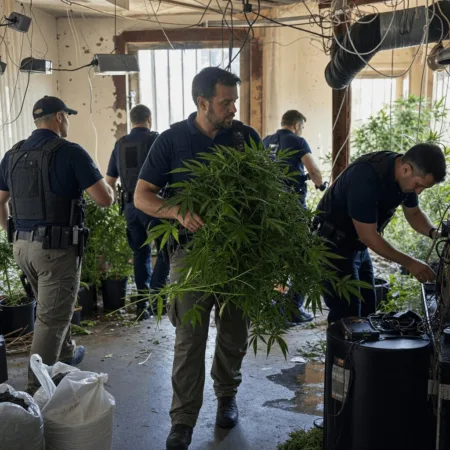
According to MyNorthwest, the Pacific city incident took place when firefighters responded to a house fire, only to discover it was a fully operational illegal marijuana grow. While battling the blaze, crews encountered booby traps—including hidden bear traps at key entry points—meant to deter thieves but nearly causing harm to first responders instead. Smoke and dangerous wiring compounded the chaos. Authorities believe the complex electrical setup, likely bypassing safety codes, sparked the illegal marijuana grow fire. Law enforcement continues to investigate, and no official injuries were reported thanks to quick-thinking firefighters. However, the presence of such physical traps showcases the acute danger underground grows pose, not just due to the risk of fire, but because of intentional hazards meant to ward off outside intrusion. This incident is just one example of many, paralleling similar events documented in Leafly News throughout the 1780322812. Such dangers illustrate how the ongoing challenges of illegal cannabis operations directly threaten community safety, as well-documented in recent discussions about local disasters and public safety responses.
Industry Insights: Why Illegal Grows Keep Burning, and What Needs to Change
For every illegal marijuana grow fire that hits the news, there’s a deeper story behind it. As Marijuana Moment reports, continued federal prohibition pushes some cultivators to stay underground, even in legalized states. The risk is clear: unregulated grows are less likely to invest in basic safety, whether it’s proper electrical engineering or emergency access for fire crews. Cannabis advocate and industry veteran Jamie Pearson notes, “The disconnect between legal framework and enforcement only creates more dangerous situations for everyone. When you push growers out of compliance, you don’t make communities safer, you just move the risks behind closed doors.” (Source: Filter Magazine). These events remind policymakers why simplifying legal access and supporting small growers is critical to curbing disastrous illegal marijuana grow fire events. The need for outreach, education, and transparent licensing is also highlighted by community initiatives, as seen with grassroots cannabis advocacy in Sacramento, which continue to shape a safer and more connected cannabis sector.
The Road Ahead: Turning Tragedy into Opportunity for the Cannabis Community
If anything, the rise in illegal marijuana grow fire incidents underlines how much work still lies ahead for advocates and industry leaders. Every threat to firefighter safety is a call for smarter regulation, robust safety training, and more inclusive policy. As outlined by NORML, sensible cannabis reform can help shrink the underground market and encourage a culture of compliance. The ultimate goal? A thriving, transparent industry where no one risks life or limb just to cultivate a plant. This latest fire could become a catalyst for real progress—spurring both the public and lawmakers to address lingering gaps in oversight, support safer practices, and welcome more growers into the light. The future of cannabis is legal, safe, and above all, responsible. Let’s use each illegal marijuana grow fire story as fuel for change and proof that the status quo can—and must—evolve for the better.
Originally reported by: mynorthwest.com