



Urgent Child Cannabis Edible Hospitalization: What Parents Must Know
As edible cannabis products become more mainstream, incidents involving unsupervised children are making headlines. The rise in child cannabis edible hospitalization has sparked concern among parents, health experts, and the cannabis community. Understanding the latest developments, risks, and safeguards is vital. We’ll break down recent events, industry context, and practical steps so everyone stays both informed and responsible.
Background: The Cannabis Edible Landscape and Child Safety Risks
With cannabis legalization spreading across the U.S., edibles like gummies, chocolates, and baked goods are in high demand. This edible boom brings new challenges, especially regarding accidental ingestion by children. According to CDC reports, calls to poison control centers involving cannabis exposure in children have sharply risen since legalization, raising alarms for public health officials. Regulations are evolving, but state-by-state differences create confusion. For instance, Colorado and California mandate child-resistant packaging and explicit warnings, yet accidentally leaving edibles accessible still poses a real hazard. Major trade groups like the National Organization for the Reform of Marijuana Laws (NORML) have long advocated for consumer education, clearer packaging, and consistent parental guidance. Tragically, the heartbreaking consequences of improper storage and lack of awareness have shocked communities nationwide, underscoring the urgency of safeguarding children as the market grows toward normalization.
Key Developments: Recent Child Cannabis Edible Hospitalization Event
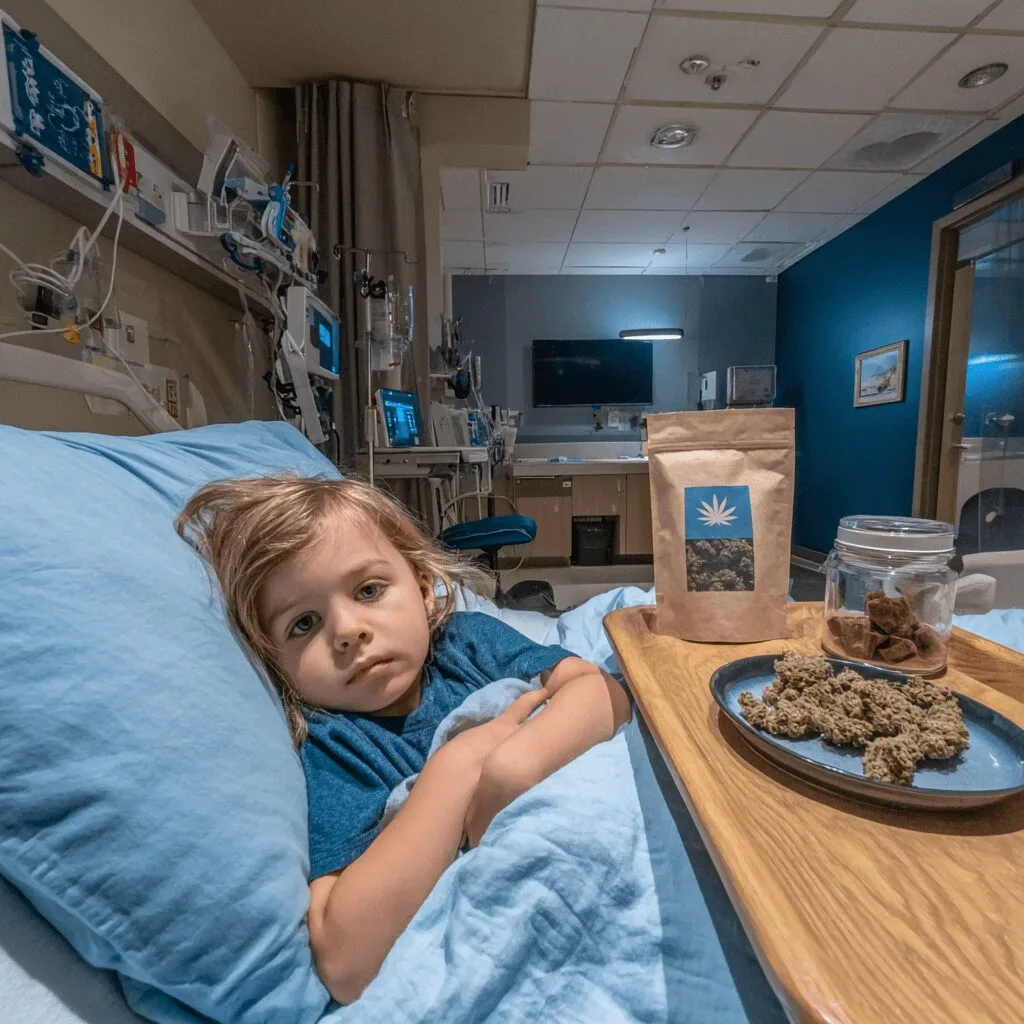
The urgency around child cannabis edible hospitalization was underscored by a high-profile incident in San Antonio, Texas. News4SanAntonio reports that in May 2024, a young child was hospitalized after accidentally consuming a cannabis-infused edible at home. The adult responsible was arrested on charges of child endangerment. Medical staff confirmed the child showed classic overdose symptoms, such as extreme drowsiness and shallow breathing, requiring immediate intervention. Local police cited easily accessible packaging and a lack of proper safeguards as key factors. In the context of ongoing national discussion, new restrictions like those seen in Florida’s cannabis use legislation further highlight the need for clear regulations on both storage and public consumption to reduce incidents involving minors. This case is part of a wider trend, and experts from the American Medical Association and various children’s hospitals have logged increasing numbers of cannabis-related ER visits involving minors, often concentrated in states with robust adult-use cannabis markets.
Expert Analysis: Industry Perspectives on Safety and Education
Industry veterans acknowledge the tension between expanding legalization and ensuring consumer safety, but they also stress context. “Almost every incident comes down to unsecured products,” explains NORML deputy director Paul Armentano, as quoted in MJBizDaily. “Just as you wouldn’t leave liquor out for kids, edibles must be treated with the same caution.” Packaging regulations and labeling are only part of the equation. Real-world education, like teaching parents to store edibles in locked containers, out of reach and sight, matters most. Industry leaders point to Canadian best practices, where strict labeling and universal child-resistant packaging have cut accidental ingestion rates, according to CAMH. Recent reports compiled by industry analysts about cannabis safety highlight that with increased awareness, the risks around child cannabis edible hospitalization can be greatly reduced. Ongoing surveys by Leafly and consumer watchdogs support the idea that education remains the most effective tool for prevention.
Outlook: Building a Safer Cannabis Future for Families
While stories like the recent child cannabis edible hospitalization in San Antonio are alarming, the cannabis community is leaning into solutions. Producers are developing innovative packaging, states are tightening rules, and advocacy organizations are stepping up education efforts. According to recent NORML polling, most parents—even those who consume cannabis—want robust child protections alongside adult access. As cannabis becomes mainstream, normalizing responsible habits at home is key. The trend lines point to improved safety, better awareness, and a rapidly evolving regulatory landscape. With collective effort, the cannabis industry will continue to grow—balancing innovation with compassion for every household.
Originally reported by: news4sanantonio.com