





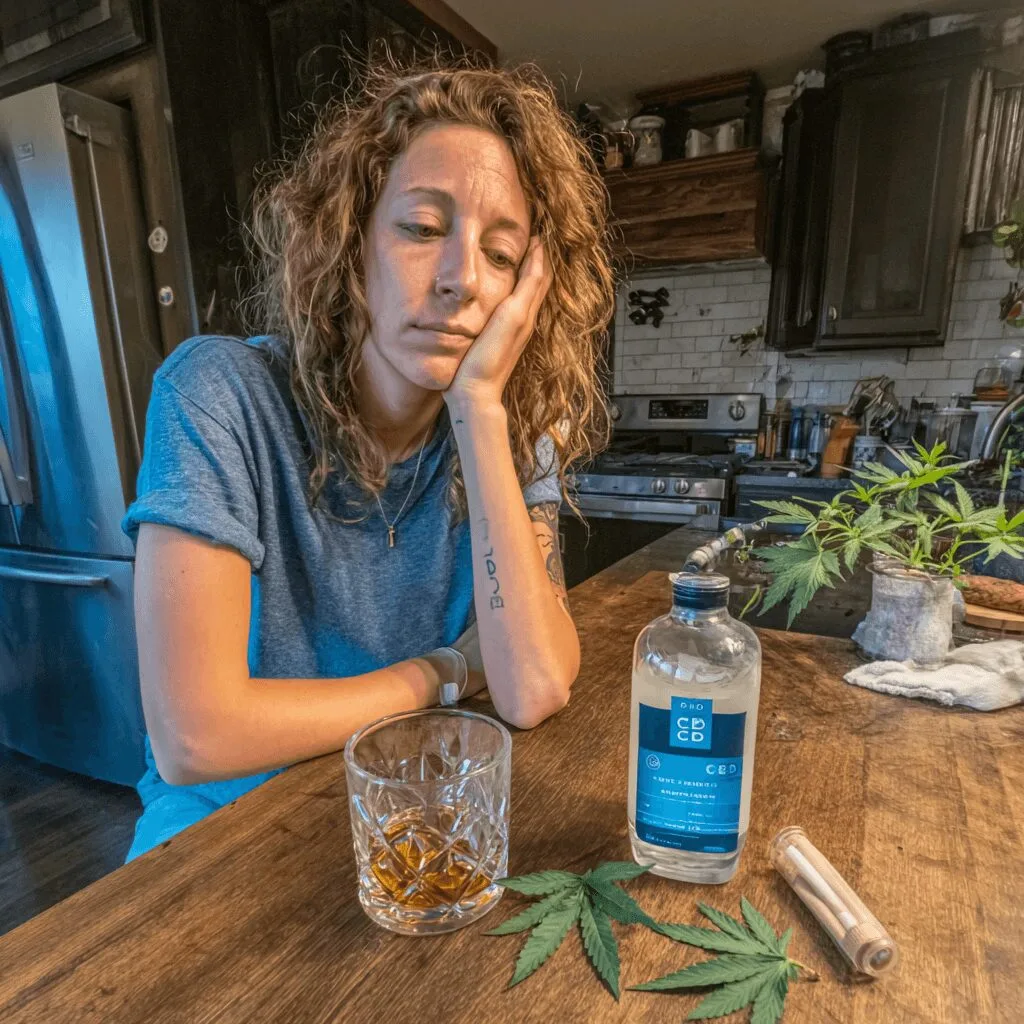
CBD Liver Protection Alcohol: Can It Shield Your Liver?
If you follow cannabis trends or care about your liver, listen up: the buzz about CBD liver protection alcohol is peaking right now. Recent research and conversation are spotlighting CBD’s potential to reduce harm from alcohol, especially for regular drinkers. As medical and recreational cannabis laws evolve, more adults want to know whether blending CBD into their routine could support their health and keep their liver safe. This is big news in cannabis culture—let’s dig in and see what’s behind the hype.
CBD, Alcohol, and Liver Health: Industry, Regulatory, and Social Backdrop
The National Institute on Alcohol Abuse and Alcoholism warns that chronic alcohol use is a serious, growing health problem, contributing to more than 140,000 U.S. deaths each year. Now, increasing social acceptance of cannabis and legalization in 24 states have reshaped consumer choices, as noted by NORML. Meanwhile, federal regulators walk a tightrope, FDA is reviewing evidence on CBD’s therapeutic benefits but has yet to bless it as a liver-protective supplement. As industry leaders explore new business partnerships to adapt to these changing regulations, recent collaborative efforts in the cannabis beverage sector may offer signs of hope, as seen in Delta Beverages CEO’s comments about the future of cannabis drinks. Add to this the fact that many consumers now openly seek plant-based ways to stay healthy, even if they’re not ready to ditch their Friday night drinks.
Socially, the ‘wellness’ movement continues to intersect with cannabis, and young adults in particular are curious about CBD liver protection alcohol and want clear, sober facts grounded in science, not hype. With CDC statistics showing rising interest in harm reduction strategies, the market is asking, could CBD actually offer a buffer for those who enjoy a drink?
What the Latest Science Says: New Insights on CBD and Liver Health
According to U.S. News (Nov. 24, 2025), researchers recently uncovered compelling evidence suggesting CBD may lessen the liver damage associated with heavy drinking. The study, shared at a prominent medical conference, tracked a younger population who regularly consumed alcohol but also used cannabis high in CBD content. Lab tests indicated lower biomarkers of liver inflammation in those using both, sparking huge interest in potential applications for CBD liver protection alcohol scenarios. As consumers increasingly pay attention to regulatory changes that impact access to these solutions, it’s important to understand how federal hemp rules may shape the possibilities for THC-infused beverage bars, as detailed in a recent overview of the future of local THC drink bars.
Importantly, the team highlighted that not all cannabis is the same: higher-CBD strains, as opposed to those dominant in THC, achieved the possible protective effects. The results line up with past animal model research, yet this is among the first major peer-reviewed studies tracking humans in real-life social settings.
Legal nuance is key here. As reported by Marijuana Moment, regulations on cannabis-infused alcohol products are murky and still illegal federally. Yet state regulators like Illinois and California are showing cautious interest in further study. Experts stress these findings do not mean CBD is a substitute for responsible drinking nor an approved liver treatment, but it raises profound questions about harm reduction and the role of cannabinoids in adult wellness.
Expert Perspectives: What Cannabis Leaders and Doctors Are Saying
Within the cannabis community, the possible synergy between CBD liver protection alcohol and harm reduction has set off major discussion. Dr. Ethan Russo, a respected cannabis researcher, remarked via Leafly, “The anti-inflammatory potential of CBD is well-known in clinical circles, it’s exciting to see this being tested in the context of real-world alcohol use.” He explains that while the early findings are promising and hint at a ‘net protective effect,’ more clinical trials are essential before medical claims can be made. As policy changes ripple through the cannabis sector and state regulations upend local markets, recent legal challenges—like those observed in states such as Michigan—offer valuable insight into how courtrooms shape industry evolution, as discussed in coverage of the Michigan cannabis tax lawsuit.
Industry watchers from Benzinga say that consumer demand for products targeting liver health is a real trend, and manufacturers are poised to invest in CBD liver protection alcohol solutions once regulations catch up. The trick, they note, is ensuring transparency, ethical marketing, and consumer education. No one wants another untested ‘miracle cure’, especially with regulators already watching closely.
There’s balance in the conversation. Publications like Health Europa stress the need to avoid overpromising until bigger human trials are finished. But for those exploring harm reduction strategies, they note CBD is among the most promising non-pharmaceutical candidates on the horizon.
Looking Forward: CBD Liver Protection Alcohol and What’s Next
Bottom line: the science around CBD liver protection alcohol is young but encouraging. With legalization and social acceptance accelerating, expect even more robust research and smart regulatory refinement over the next few years. According to Forbes, the collision of wellness culture and adult-use cannabis is opening doors for innovation—even in traditional alcohol markets. More clinical trials, clearer labeling, and better consumer education are on the horizon.
For now, the smart move is moderation: keep one foot in fun, one in fact. But if future studies confirm these early results, we could be seeing cannabinoid-enhanced harm-reduction become part of mainstream adult living. Until then—cheers to curiosity, to responsible choices, and to the ever-surprising journey of the modern cannabis movement. Let’s continue watching this space.
Originally reported by: usnews.com


1 Comment
Pingback: CBD Liver Protection Alcohol: Can Cannabis Safeguard Your Health?