






CBD Guangzhou building innovations: Explore Bold New Trends
It’s an exciting time for architecture and urban enthusiasts across China—CBD Guangzhou building innovations are rapidly transforming the skyline and changing how we think about sustainable, modern spaces. With new projects embracing cannabis-based design cues and progressive social trends, the city stands at the crossroads of regulatory evolution, green technology, and bold aesthetics. Let’s break down what’s happening on the ground and why it has the whole industry buzzing.
Background: Regulatory, Legal, and Social Pulse
Over the past few years, Guangzhou’s core business district, better known as the CBD, has become a laboratory for visionary building developments, including the use of eco-friendly materials and decorative elements inspired by the cannabis plant. While cannabis remains strictly regulated for recreational use across China, the industrial hemp sector has gained legal acceptance. Since 2010, select regions, especially within Guangdong, have permitted hemp cultivation for textile and construction uses, as confirmed by Reuters. As designers and investors race to integrate CBD Guangzhou building innovations into their blueprints, the evolving legal landscape continues to shape what’s possible, nudging architects to blend compliance with creative expression. Socially, younger generations are embracing green technology and biophilic design, making cannabis-inspired motifs more popular than ever, and further illustrating the cultural momentum seen in initiatives like the Medicare CBD Pilot Program focused on wellness advancements.
Key Developments: What’s Actually Happening in the CBD
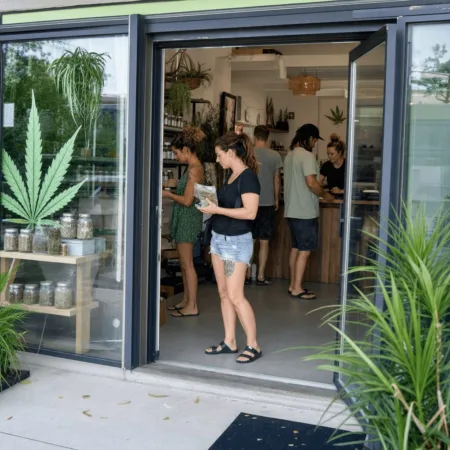
The latest architectural projects in Guangzhou’s central business district spotlight collaborations between Chinese developers and multinational design firms. According to a recent release reported by PR Newswire, several new skyscrapers and mixed-use complexes now feature decorative potted cannabis plants and leaf-patterned structural elements right at street level. Developers including the Guangzhou Urban Planning and Design Institute have openly embraced these touches, citing them as a nod to both eco-consciousness and global style. The construction boom peaked this spring with the unveiling of the Emerald Avenue Complex, an office and retail hub where daylight floods through crystalline glass, and casual passersby mingle with architects examining blueprints out front. These kinds of urban design transformations reflect a broader trend similar to those seen in expanding markets such as the Michigan cannabis industry, where local developments shape market direction. Industry experts note this as the first major CBD Guangzhou building innovations project to blend such visible cannabis motifs with mainstream urban design, reflecting a nuanced response to tightening city sustainability standards. Importantly, while decorative elements nod to the cannabis plant, there is no recreational use or distribution involved as developers remain careful to emphasize the lawful, cultural aspects of these features, much like similar moves in forward-thinking cities worldwide.
Expert Analysis: The New Green Edge and Cannabis in Urban Design
Why are these changes so significant? Well, CBD Guangzhou building innovations reflect a broader, global shift toward green, sustainable construction and bio-inspired aesthetics. According to Architectural Digest, major financial districts worldwide have started incorporating living walls, plant-based decorations, and hemp-derived building materials to reduce environmental impact. Guangzhou, with its youthful population and progressive vibe, is naturally primed for this revolution. The progress seen here also mirrors real change found in the transformation of access, such as is happening inside Alabama medical cannabis dispensaries, where medical programs are reshaping local perspectives. As Anna Zhang, founder of the influential design collective Canopy & Co., said to Green Entrepreneur: “The fusion of cannabis plants and modern design isn’t just a style choice, it’s a powerful symbol of urban vitality and respect for nature’s intelligence in the built environment.” These new developments signal more than just a love for green motifs, they hint at deeper integration of industrial hemp for construction, soundproofing, and sustainable finishes that may soon become industry mainstays.
Future Outlook: Embracing Creative Innovation and a Greener CBD
Looking ahead, CBD Guangzhou building innovations continue to turn heads and shift perspectives. City regulators and investors are eyeing these bold trends as opportunities for enhanced sustainability, positive social identity, and economic growth. With every new project, the cannabis-inspired design language grows more mainstream—moving from decorative elements to meaningful materials science breakthroughs. As noted by MJBizDaily, the Chinese hemp industry already exports globally and could soon provide new business models for green urban construction in Asia. Guangzhou’s leadership in merging compliance, creativity, and cannabis will likely inspire districts far beyond China—and as public support grows, urban innovation will only accelerate.
Originally reported by: mycarrollcountynews.com


1 Comment
Pingback: CBD Guangzhou building innovations: Discover the Future of Smart Design