





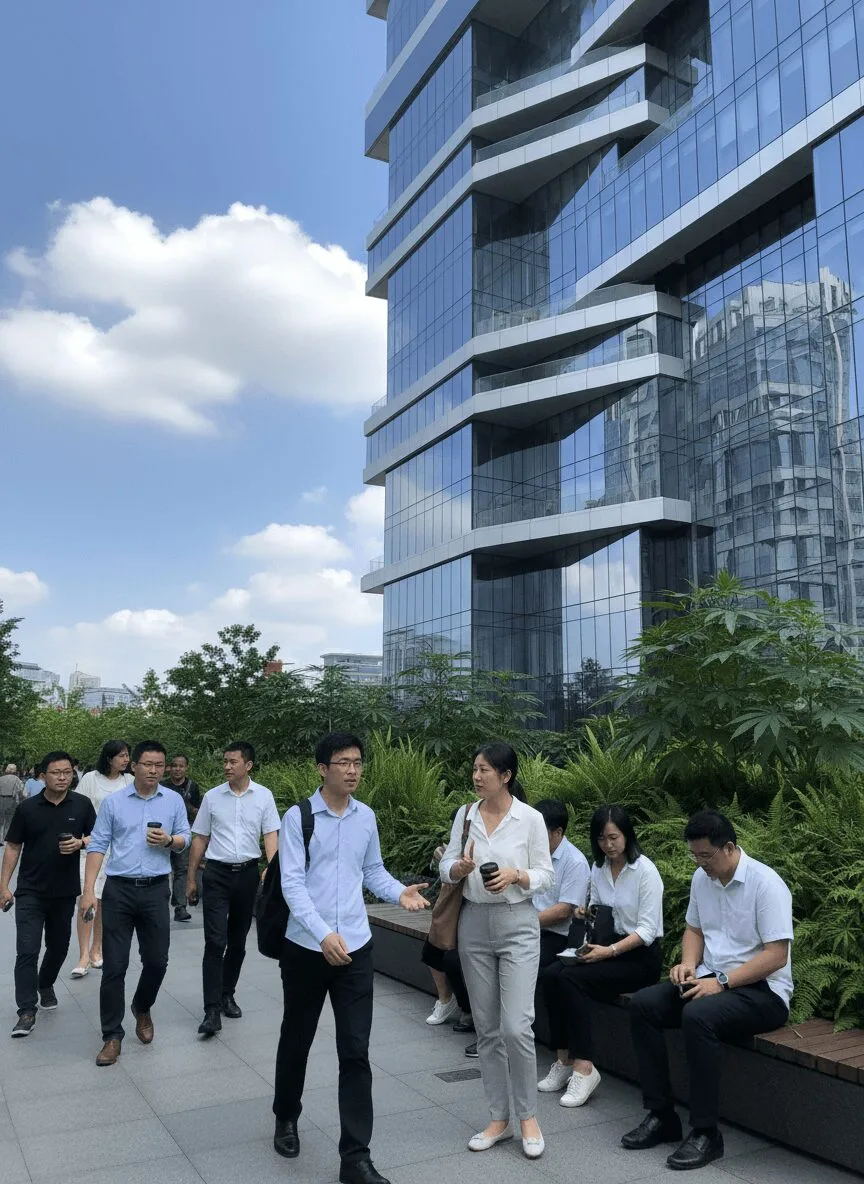
CBD Guangzhou building innovations: Discover the Future of Smart Design
Right now, the urban landscape is shifting faster than ever. From bold architecture to integrated greenery, cities are leveling up. With CBD Guangzhou building innovations leading the charge, everyone from investors to local residents are taking notice. Why? Because these projects dare to blend cutting-edge construction with future-ready tech, a dash of smart cannabis-inspired bio-integration, and—let’s be real—a healthy dose of chill vibes. Dive in as we break down what’s turning heads, shaking up regulations, and shifting the entire conversation in China’s bustling CBD scene.
Urban Transformation: Regulatory Setbacks, Social Context, and Market Forces
CBD Guangzhou building innovations aren’t just buzzwords, they emerge in the wake of significant regulatory change and market adaptability. Guangzhou’s CBD is renowned for its progressive approach to sustainable design, driven by government focus on eco-friendly urbanization (as highlighted by China Daily). National urban development policies continue to promote public-private initiatives, streamlining approval processes and offering incentives for developers experimenting with energy-efficient materials, green rooftops, and nature-integrated infrastructure. Culturally, younger generations are demanding healthier, greener spaces, nudging both government and builders toward new norms. If you want a deeper look at how CBD Guangzhou building innovations are setting a new standard for urban design, explore the latest feature article. Couple that with growing intellectual curiosity about hemp and cannabis-oriented construction solutions, and you’ve got the perfect backdrop for innovation in the CBD Guangzhou building scene.
Pioneering Developments: What’s Actually Happening in CBD Guangzhou?
So, what recent news is fueling the buzz around CBD Guangzhou building innovations? On June 10, 2024, Guangdong Urban Investment Holdings announced the topping out of their flagship smart tower, incorporating not just solar glass but biophilic elements in every public space (source: South China Morning Post). This project stands out as one of China’s first high-rises to integrate certified low-THC cannabis materials within interior insulation, improving energy efficiency and air quality. According to statements by the manufacturer, the materials comply with China’s tight industrial hemp regulations, as detailed in the Global Times coverage of legal reforms. In addition, more CBD Guangzhou building innovations are underway, with Shanghai Construction Group recently securing permits for adaptive modular buildings using locally-sourced, eco-friendly materials, including experimental hempcrete. These innovations highlight how major urban centers are changing, much like how the recent pilot program in patient wellness is shifting perspectives in healthcare fields. These projects are seen as proof of Guangzhou’s rapid evolution into a model smart district, blending next-gen building technology with lessons from both green and cannabis industry experts.
Expert Insights: High Hopes, Smart Materials, and the Green Agenda
Stepping back, what does the growing presence of cannabis-inspired building methods in CBD Guangzhou mean for the global industry? First, it reveals an increased appetite for alternative, sustainable resources in dense urban areas, a trend echoed by both local and international developers. “Guangzhou’s CBD is setting the bar for what’s possible when regulatory savvy meets resourceful design,” says Dr. Lin Zhao, researcher at the Cannabis Industry Journal. According to Zhao, crossing the regulatory divide is “not only smart, it’s inevitable if we’re serious about urban climate adaptation.” The use of industrial hemp, carefully separated from psychoactive strains and fully legal under China’s framework, highlights how fast policy and knowledge are spreading. As reported by Hemp Benchmarks, smart architects are increasingly drawn to cannabis-derived materials for their low impacts and insulation chops, especially as China eyes peaking carbon emissions before 2030. In some ways, this evolution is reminiscent of the major shifts like those seen in regions experiencing changes in cannabis markets. CBD Guangzhou building innovations embody this mix of ambition, creativity, and a certain easygoing openness that’s fueling deep, industry-wide change without losing sight of local legal requirements.
Peering Ahead: Cannabis, Cities, and the Coming Wave
Looking forward, the story of CBD Guangzhou building innovations is far from over. As the city cements its status among China’s smartest districts, collaboration between government, design geeks, and the cannabis community appears only set to deepen. Next steps likely include broader recognition for hempcrete and bio-based materials—along with streamlined legal pathways for their use. Community leaders, as cited in Green Entrepreneur, suggest that South China is poised to influence national policies on urban sustainability and plant-based infrastructure. For advocates and industry pros alike, there’s all the reason to stay optimistic (and curious): CBD Guangzhou is paving the way—greener, smarter, and packed with promise.
Originally reported by: mycarrollcountynews.com


1 Comment
Pingback: Anna Clyne Jacksonville concert: Experience a Night of Musical Magic