Cannabis Use in Older Adults: Is It Safe or Risky?
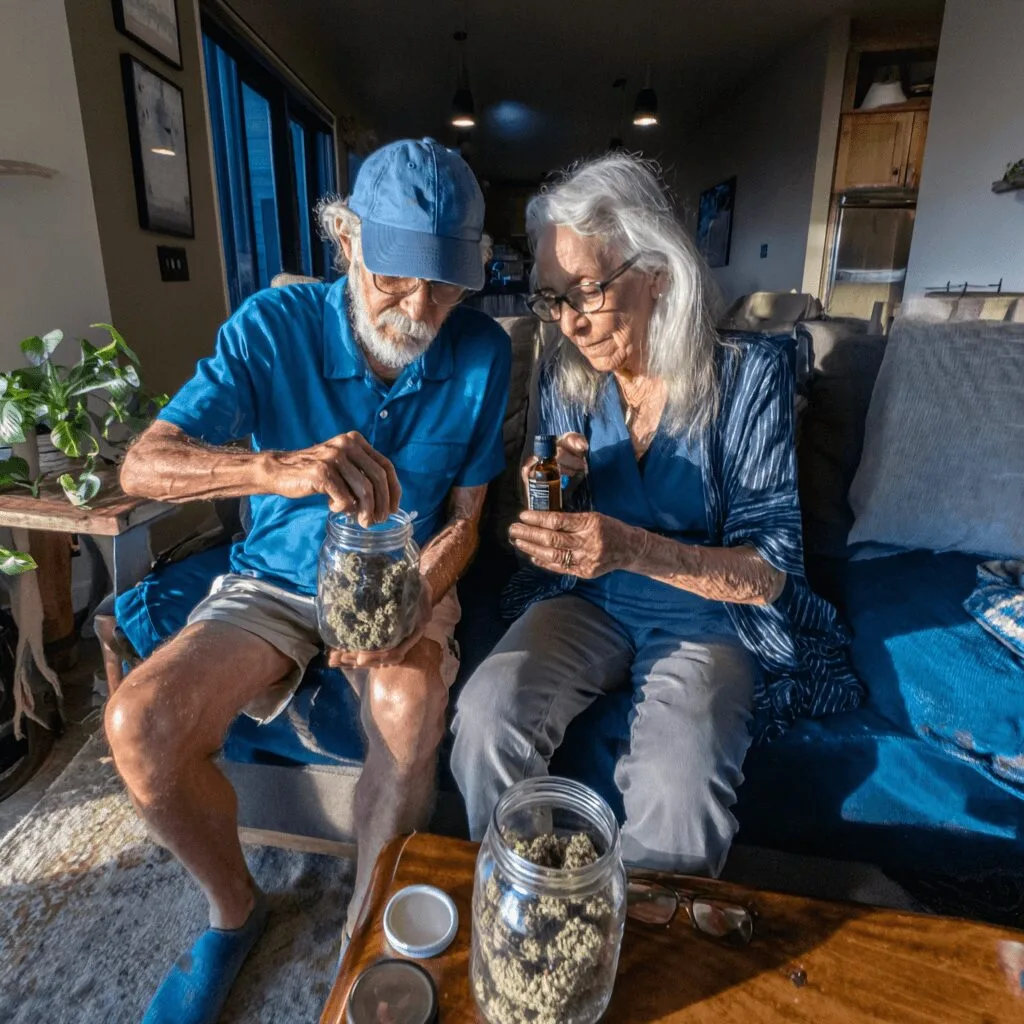
Let’s face it—the conversation around cannabis use in older adults is heating up for good reason. As baby boomers and seniors spark new interest in cannabis for pain, sleep, or just a little mellow, the industry is taking note. States keep shifting laws, dispensaries now greet gray hair with open arms, and health news headlines often debate the real risks versus full-on reefer relief. In this piece, we examine why cannabis use in older adults matters right now, review key research, and explore both the perks and pitfalls. Buckle up, because this isn’t your grandkid’s cannabis story—it’s about how older adults are changing the narrative and what that means for safe, responsible use.
Understanding Regulatory, Market, and Social Forces Shaping Cannabis Use in Older Adults
The world of cannabis use in older adults didn’t pop up overnight. Over the past two decades, the U.S. has shifted from strict prohibition to legal medical and recreational cannabis markets across much of the country. According to Pew Research, nearly 89% of Americans support legal cannabis use in some form. Older adults, once the group most hesitant, are now some of the fastest-growing customers in dispensaries, as reported by major market analysts like New Frontier Data. States like Hawaii have also implemented major rule changes that directly shape patient and dispensary experiences, bringing new attention to regulations influencing seniors, as seen in the latest updates to Hawaii medical cannabis rules.
Regulation plays a major role. Medical marijuana is now legal in 38+ states, and recreational cannabis in 24, opening new pathways for older Americans to consider an alternative to traditional meds. This regulatory expansion means more doctors feel comfortable discussing cannabis use in older adults, and more stores are equipped to serve them. On the social side, stigma is fading. Grandparents who once whispered about “the devil’s lettuce” now ask budtenders what works for arthritis. Media coverage, both skeptical and optimistic, has further empowered seniors to explore cannabis, sometimes for the first time in decades.
Key Developments & Ongoing Issues in Cannabis Use in Older Adults
One major development, highlighted by Harvard Health Publishing, is a surge in older adults turning to cannabis for pain, insomnia, appetite, and even mood support. While many find real relief and an improved quality of life, others may experience confusion, drowsiness, or drug interactions—especially complicated by federal illegality despite state protections, creating an uncertain environment for doctors and patients. Meanwhile, similar regulatory upheaval has unsettled growers and patients in states like Tennessee, reflecting a nationwide uncertainty in how laws affect day-to-day use, as described in recent Tennessee hemp legislation updates.
Industry experts report that seniors are twice as likely as a decade ago to inquire about cannabis at dispensaries. According to a CDC study reported by US News & World Report, cannabis use in older adults has more than tripled since 2007. Yet confusion remains—improper dosing, inconsistent labeling, and a lack of standards for various products can lead to unexpected results. Doctors emphasize the need for honest patient-doctor communication about cannabis, since metabolism and medications may create additional risks for aging individuals. The cannabis market, eager for this demographic’s business, is pushing forward with senior-specific products, education initiatives, and improved access nationwide.
Expert Analysis and Insights on Cannabis Use in Older Adults
Given the surge in cannabis use among older adults, experts are weighing in. Dr. Benjamin Han, a geriatrician at NYU Grossman School of Medicine, cautions, “Cannabis can be helpful for some older adults, but it isn’t a panacea. Each person’s risks and benefits need careful consideration.” (NPR).
The cannabis industry is responding quickly—dispensaries, research universities, and advocacy groups now offer more tailored educational materials and products for seniors. Whether in places like Virginia, where expanding adult-use markets are breaking new ground and building community among older adults, or elsewhere, the shift is clear: Recent growth in Virginia’s adult-use cannabis market mirrors national trends prioritizing safety and acceptance. Industry voices at Leafly observe that seniors increasingly use cannabis for wellness, fostering normalization and safety across generations.
Future Outlook & Conclusion: The Growing Wave of Cannabis Use in Older Adults
Looking ahead, cannabis use in older adults is likely to rise as stigma fades, options widen, and medical voices gain confidence in recommendations. The industry is poised for growth, offering more tailored products, clear education, and science-backed advice for this growing demographic. Experts from NORML predict continued regulatory improvements and social acceptance will make conversations between seniors, doctors, and dispensaries much smoother—and safer. As policy and products evolve, older adults are becoming empowered advocates, changing cannabis culture for the better. That’s a movement we can all learn from.
Originally reported by: health.harvard.edu