





Tennessee hemp industry bill: What new limits mean for growers
If you’ve been keeping tabs on what’s going down in the cannabis world, you know there’s never a dull moment. The Tennessee hemp industry bill is grabbing headlines right now, and for good reason. New regulations are hitting local farmers and businesses right in the hemp fields, making everyone stop, light up a (legal) joint, and wonder what’s next. As lawmakers tighten the rules, growers across the Volunteer State are eyeing the future with a mix of hope and worry. Let’s break down what’s actually happening, who’s feeling the chill, and why this matters for Tennessee’s thriving hemp scene.
The Roots of Hemp: Background & Context in Tennessee
Tennessee has been riding the hemp wave since long before CBD lattes popped up in every neighborhood coffee shop. After the 2018 Farm Bill federally legalized hemp production, the state opened its fields to growers, creating a green boom that put local farmers on the map. According to the Tennessee Department of Agriculture, the industry welcomed over a thousand licensed growers by 2020. The passion for the plant runs deep, rooted both in southern farming tradition and in a new, more open attitude toward cannabis. But alongside this green rush, legislators and regulators have been tweaking guidelines to ensure safety, legal compliance, and quality, a balancing act industry outlets like Hemp Grower have covered extensively. Changes like those happening in other states, such as Florida, where debates over hemp law are heating up, often serve as a lesson for Tennessee lawmakers—see how Florida’s battle over what’s legal has shown how quickly state regulations can shift. Social acceptance continues to rise, but the legal tightrope remains very real for anyone with dirt under their nails and hemp in their hand.
Key Developments: What’s in the Tennessee Hemp Industry Bill?
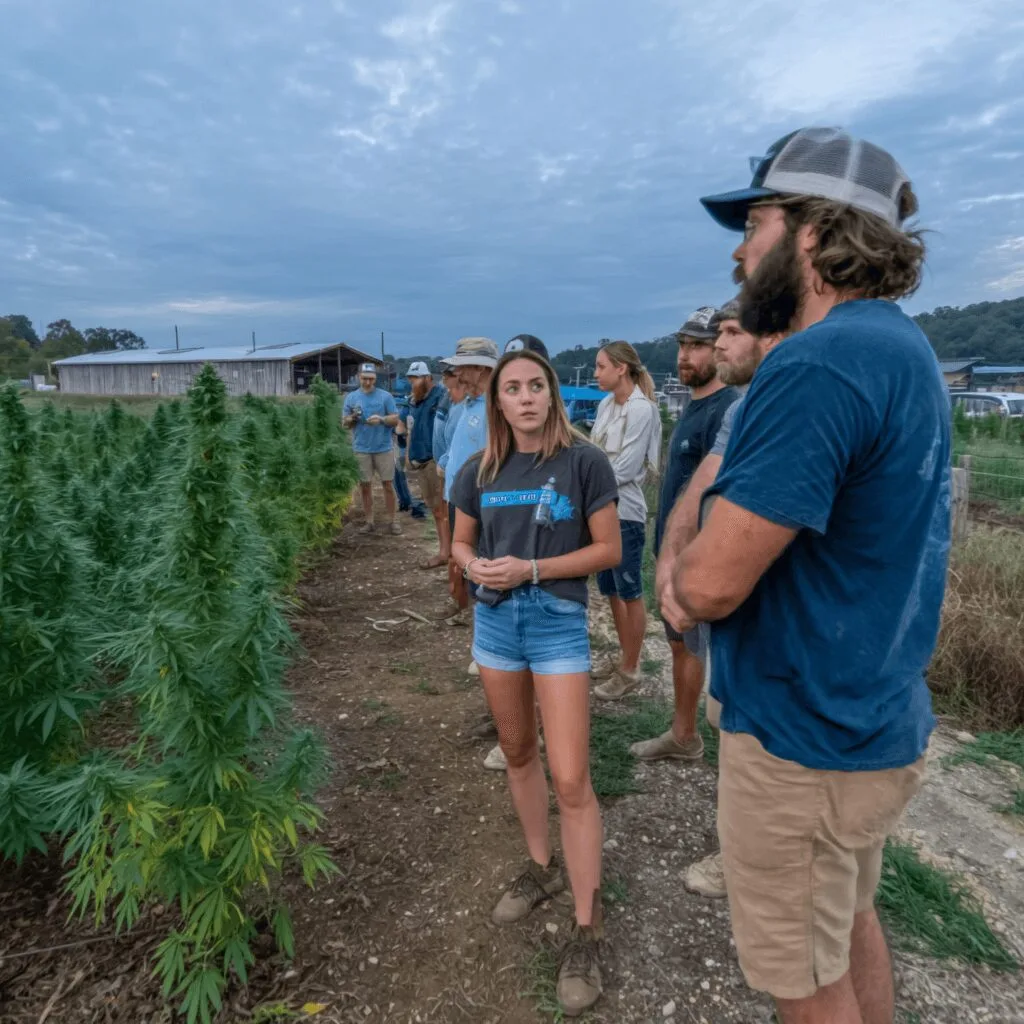
Here’s the headline update: A new provision in the Tennessee hemp industry bill has set the whole local sector buzzing, and not always in a good way. Introduced in the 2024 legislative session, the bill aims to crack down on how hemp is grown, processed, and sold, particularly against smokable hemp and new cannabinoid products. As reported by NewsChannel 9, the proposal introduces more stringent licensing requirements for growers and processors. The bill was crafted to address concerns about unregulated products hitting stores, as well as confusion around hemp-derived THC isomers. Retailers like Tennessee Hemp Pharmacy are feeling the heat, as the bill also proposes tighter age restrictions and new safety labeling. Interestingly, this trend aligns with industry battles in other states such as Montana, where hemp tariffs and local regulations have inspired farmers’ bold push for industry change. Notably, the legislation would require all finished hemp products to pass additional inspections, while giving law enforcement broader power to test and seize questionable material. The move is in line with similar trends in other states, according to national coverage by Marijuana Moment. The local reaction? Growers, especially in East Tennessee’s rich fields, are frustrated and anxious, fearing these provisions might squeeze family farms out of the game.
Expert Analysis & Real-World Perspective
This is where things get interesting. The Tennessee hemp industry bill is seen by many advocates as a double-edged sword. On the upside, it could bring more legitimacy and safety to the marketplace, filtering out bad actors and bunk products. On the flip side, small-batch and family-run operations might struggle with the new compliance costs and paperwork. Hemp trade association leaders warn that these changes can hit the little guys hardest. As Demetrius Maynard of NorCanna shared with Leafly: “We want regulations that are fair and transparent, but not a system that buries new growers in red tape just to protect big corporate players.” Industry experts also point to a clear trend across the U.S.—stricter laws sometimes push innovation underground or to neighboring states, rather than shutting it down. On a broader level, similar regulatory pressure has affected marijuana businesses in places like Michigan, where small towns’ pushback against bans has stunned industry watchers. The conversation isn’t just about crops and commerce, it’s about community. Many advocates believe Tennessee’s unique farming culture can adapt if given a fair shot.
Where the Road Leads: Future Outlook & The Bright Side
Will the Tennessee hemp industry bill drag the state’s growers back to the shadows, or spark a new era of innovation? Honestly, it’s a toss up—but optimism still burns bright. Regulatory tightening can be tough, but it’s also a sign that the industry’s grown up. Tennessee farmers have weathered worse storms and are no strangers to tough choices. According to Hemp Benchmarks, markets that embrace reasonable regulation tend to see more investment, higher quality, and better consumer trust. The next chapter is all about dialogue: between lawmakers, advocates, and the folks who get their hands dirty. If Tennessee keeps its pioneering spirit—and finds a middle ground in these new rules—its hemp sector will keep thriving, both in the field and far beyond. As the cannabis story keeps evolving nationwide, don’t count the Volunteer State out just yet.
Originally reported by: newschannel9.com


1 Comment
Pingback: California sober research: Can weed help you drink less?