





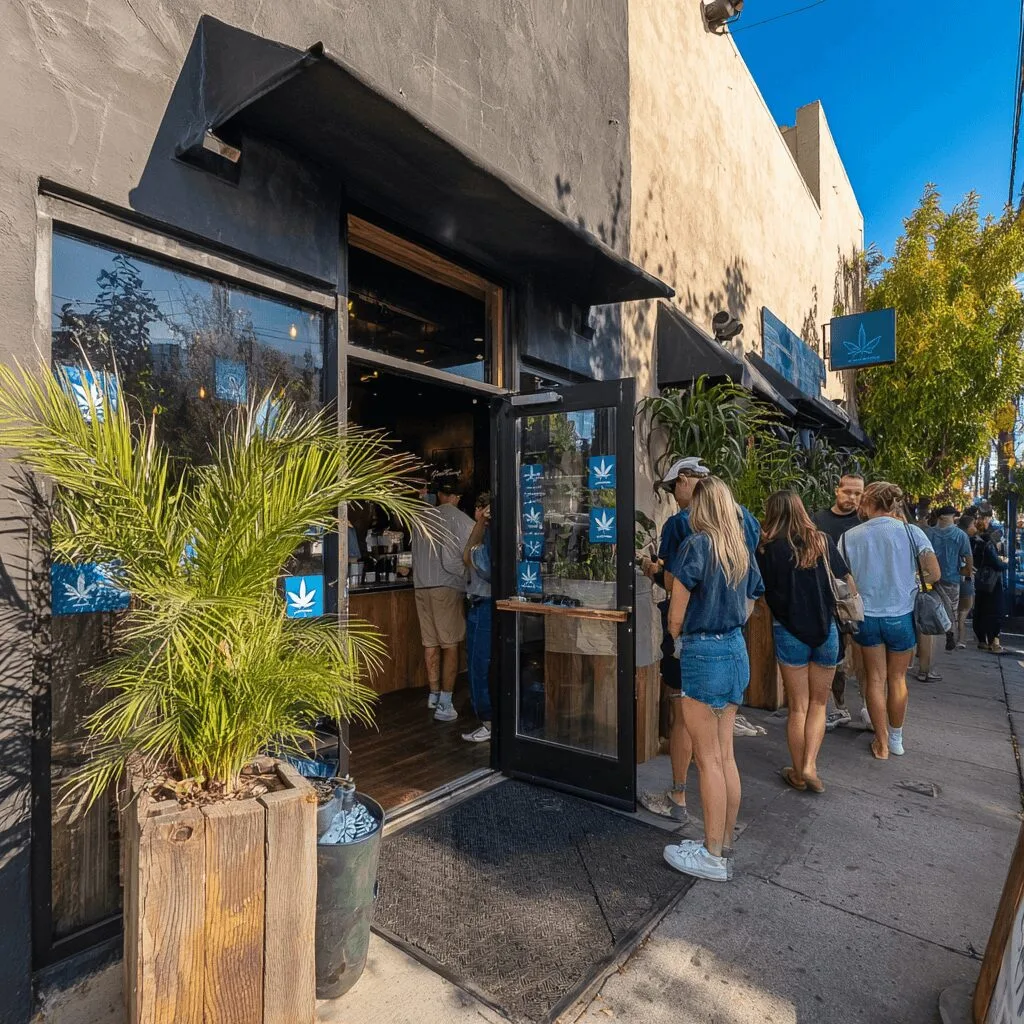
Breaking News: Cannabis Restaurant Closure Shocks West Hollywood
The cannabis restaurant closure in West Hollywood has caught many by surprise, sending shockwaves through both the local foodie scene and cannabis enthusiasts alike. In a rapidly evolving cannabis market, this high-profile shutdown is more than just a neighborhood moment—it’s a signal of changing tides for cannabis hospitality nationwide. With shifting regulations and heightened community interest in social cannabis spaces, the impact of this closure goes far beyond one locked door. Let’s break down what happened, why it matters, and what’s next for cannabis dining culture.
Why Cannabis Restaurant Closure Matters: Market, Legal & Social Backdrop
The cannabis restaurant closure in West Hollywood occurs at a pivotal time for cannabis hospitality in California. With legalization’s ongoing rollout, west coast cities like West Hollywood have become proving grounds for social cannabis spaces, blending dining with legal consumption. However, this landscape remains complex. As Forbes reports, local ordinances, zoning rules, and overlapping state requirements have made it difficult for cannabis restaurants to sustain operations despite enthusiastic public demand. West Hollywood’s unique municipal program was the first in the country to grant licenses specifically for cannabis cafes, but these spots must navigate stringent ventilation, tax, and operational requirements. The broader U.S. market also faces hurdles: social consumption lounges remain controversial in many states, and ongoing stigma hinders investment. Recent changes in federal legislation regarding THC and CBD are also shaking up the cannabis industry, intensifying the challenges these businesses face. Consumers seek safe, sophisticated spaces to enjoy cannabis products alongside food, but only a handful of cities have managed to successfully foster these businesses. In effect, every cannabis restaurant closure raises big questions about balancing public health, fair competition, and authentic cannabis culture. As Brookings points out, social acceptance is rising, yet regulatory clarity is still catching up.
Key Developments: Irie Bids Farewell Amidst Regulatory & Financial Headwinds
The center of this cannabis restaurant closure is Irie, a well-loved West Hollywood venue that managed to blend culinary creativity with cannabis lounge vibes since its opening. According to the Los Angeles Daily News, Irie announced its closure on November 17, 2025, marking an abrupt end to years of innovative service. The company cited rising operating costs, city permitting slowdowns, and struggles to maintain compliance with evolving state regulations. In recent months, Irie faced extended delays receiving necessary permit renewals from West Hollywood officials, exacerbated by new state-level guidance on lounge ventilation and product handling. Regulatory updates affecting medical cannabis in other states reflect similar complexities and may foreshadow future changes in California. As reported in the Los Angeles Times, the regulatory maze for cannabis restaurants frequently includes extensive health inspection mandates, fire code upgrades, and tight restrictions on food preparation when combined with cannabis service. For Irie, the cumulative weight of compliance demands finally outweighed profits, leading to their highly publicized exit. Patrons shared their disappointment across social media, while staff noted the closure could deter new entrants from opening similar businesses.
Cannabis Experts Weigh In: Insights & Real-World Perspective on Cannabis Restaurant Closure
This high-profile cannabis restaurant closure is a wakeup call for policymakers, business owners, and advocates. While setbacks like Irie’s are tough, they aren’t the end of cannabis dining. According to Weedmaps, “The road for cannabis restaurants is paved with both opportunity and obstacles, only through adaptive policy and persistent community support can these businesses thrive.” Industry leaders echo the sentiment. Jane West, a well-known cannabis entrepreneur, stated in a Forbes interview, “Every closure teaches us something valuable. We have to work harder to align policies with consumer expectations.” Financial pressure and bureaucratic red tape remain the main barriers, yet the demand for high-quality cannabis dining—supported by data from Headset—shows the future is bright if operators receive sufficient regulatory clarity. Community debates on environmental concerns linked to cannabis retail establishments also demonstrate the evolving priorities of the public and stakeholders within the industry. From my own time consulting for cannabis hospitality ventures, I can tell you: flexibility, education, and policy refinement are essential. The fact that enthusiasts and everyday guests rallied around Irie shows the enormous untapped appetite for social cannabis experiences.
The Road Ahead: Opportunity Amid Setbacks in Cannabis Hospitality
Despite the blow of Irie’s cannabis restaurant closure, this isn’t the death knell for social cannabis dining—far from it. Across the U.S., innovations in cannabis hospitality continue to take root. Municipalities in Colorado and Nevada have launched new pilot programs for cannabis consumption spaces, and advocates are pushing for more streamlined laws nationwide (MJBizDaily reports). As regulatory environments mature and public opinion grows steadily more favorable, the setbacks of today may lay the groundwork for a robust future industry. Long term, every closure, like Irie’s, signals not collapse but evolution. Legalization and cultural normalization are opening doors to creative entrepreneurs who want to deliver elevated, safe, and responsible cannabis hospitality. The story of West Hollywood’s cannabis restaurant closure is just one chapter—there’s a lot more in store for cannabis culture and dining ahead.
Originally reported by: dailynews.com


1 Comment
Pingback: Marijuana Acquittal Court Decision: What This Court Case Means