





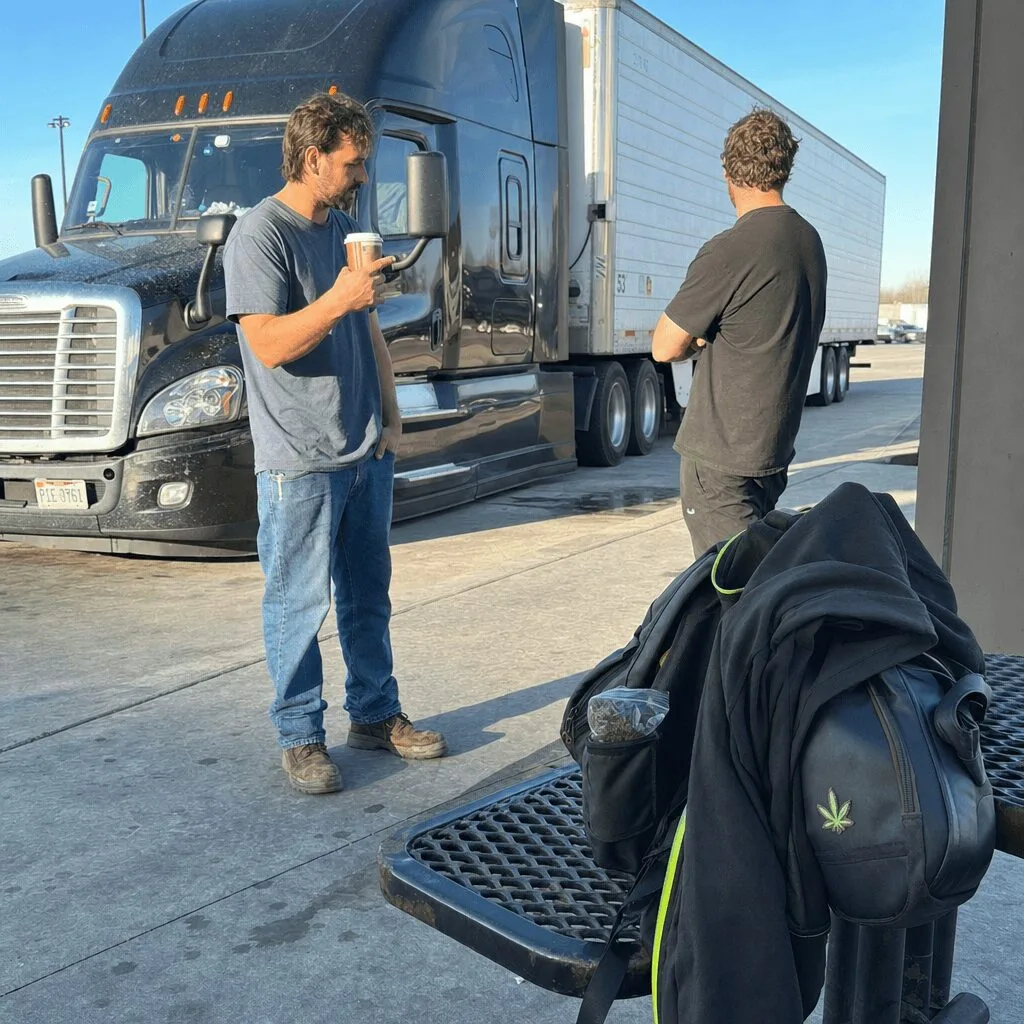
Cannabis Regulations for Truck Drivers: Risks & Realities
Right now, the debate over cannabis regulations for truck drivers is hotter than a summer blacktop. State and federal rules are colliding as millions of Americans gain legal access to cannabis—meanwhile, truckers face stricter oversight than ever before. As more states embrace legalization, confusion and real risk are intensifying for commercial drivers. In this piece, we break down key developments in cannabis regulations for truck drivers, examine the real risks (and myths), and share what every industry pro needs to know for the road ahead.
The Bigger Picture: Why Cannabis Matters for Trucking Compliance
To truly get why cannabis regulations for truck drivers are such a high-stakes issue, it’s crucial to understand the layers at play. Truck drivers in the U.S. are governed by the Federal Motor Carrier Safety Administration (FMCSA) and the Department of Transportation (DOT), both of which maintain a zero-tolerance stance for cannabis use. This policy stands even in states where weed is as legal as grabbing drive-thru coffee, though different states continue to evolve their own frameworks in ways that are reshaping cannabis law and regulation.
The rationale is safety. According to a White House report from the Office of National Drug Control Policy, impaired driving is a key traffic risk. But here’s the rub, legalization is rolling out rapidly, and more drivers are coming from states with robust medical and adult-use programs, creating a gray area where state rights, medical needs, and federal oversight butt heads. Not only that, but public perception of cannabis continues to evolve, with recent polls showing 70% of Americans support legalization (source: NORML, 2023). That’s huge, and it keeps the pressure on lawmakers and employers alike to write new rules that actually make sense in 1780615447 and beyond.
What’s Actually Happening: Recent Developments and Current Rules
Let’s set the record straight on what’s happening in cannabis regulations for truck drivers. Despite changes at the state level, the DOT has not budged: commercial license holders may not use cannabis, period. According to FMCSA regulations, drivers failing a drug test for THC, even with a medical marijuana card, are subject to immediate suspension and placement in the Drug & Alcohol Clearinghouse database. As of late 2023, over 100,000 truckers have landed in the database for failed or refused drug tests, per Clearinghouse data.
This stringency remains despite federal cannabis reform discussions in Congress, where measures like the MORE Act (2023) and the SAFE Banking Act continue to gain attention but haven’t yet passed. Meanwhile, companies like J.B. Hunt, Schneider, and other logistics giants must enforce federal rules regardless of state trends. The result, as noted in other regulatory actions affecting cannabis businesses, is that drivers in weed-legal states still risk losing their livelihoods if even trace THC pops in a test, a point highlighted by American Trucking Associations news reports. No exceptions, for now.
Expert Analysis: Why the Current Approach Needs an Overhaul
Here’s where veteran cannabis and logistics experts raise warning flags. The big problem? THC stays in your system way longer than the high lasts. A driver could enjoy their legal Saturday edible, be stone-cold sober by Monday, but still test positive under current rules.
According to Ethan Russo, MD (cited by Leafly), “Current cannabis testing policies for safety-sensitive roles catch use, not impairment. That’s a problem for drivers, employers, and everyone who values smart policy.”
Driver shortages are another major pain point. ATA reports that rigid cannabis regulations for truck drivers have sidelined tens of thousands with otherwise clean records. Unintended consequence? Fewer drivers on the road, more supply chain headaches, and mounting calls from logistics companies for reform. Even high-profile criminal incidents, like those reported in recent cannabis shop security cases, highlight how evolving cannabis policy impacts industries beyond just retail.
The Road Ahead: Smarter, Safer, and More Humane Policy
The future of cannabis regulations for truck drivers is still unwritten, but signals point toward change. As the cannabis industry matures and public support grows, there’s serious momentum for retooling the rules to better differentiate between impairment and off-duty, legal use.
Recent legal trends—such as state-level protections for off-duty use in places like New York and Illinois (Illinois General Assembly)—also lay the groundwork for possible federal reform. Trucking companies, unions, and safety experts continue to advocate for modernized testing that targets real impairment on the job, not harmless, off-shift activities. And let’s not forget, a better approach to cannabis regulations for truck drivers benefits everyone: safer roads, happier workers, and a more resilient supply chain. Change is rolling our way, and for the cannabis community, that’s a welcome sign on the highway ahead.
Originally reported by: landline.media



1 Comment
Pingback: Marijuana Policy Truck Drivers: Must-Know Legal Roadblocks