
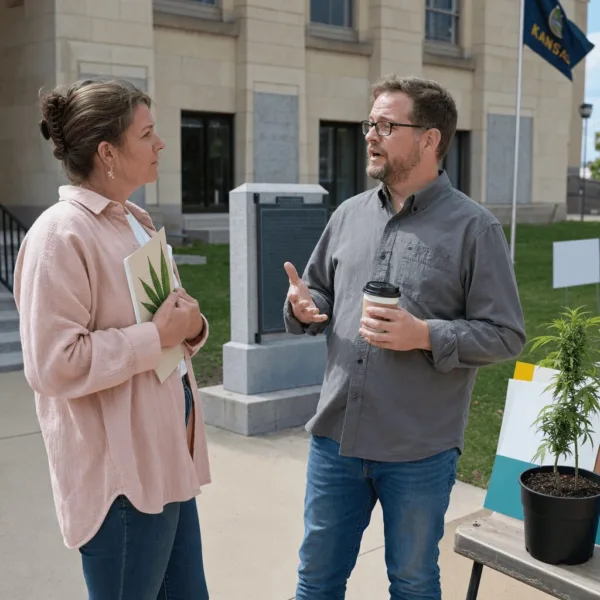




Understanding the Landscape: Cannabis, Pregnancy, and the Modern Market
Legalization has skyrocketed access to cannabis, leading to record retail sales and normalization of consumption. According to Statista, the U.S. legal marijuana market surpassed $25 billion in 2021 and just keeps climbing. More pregnant people now self-report cannabis use, sometimes for morning sickness or anxiety, per data from the CDC. Social attitudes are shifting too, and millions now see cannabis as a natural remedy. Regulations, however, remain complex. While medical and recreational sales are legal in over 20 states, some areas such as Michigan have detailed regulations about public weed use, the FDA hasn’t approved cannabis for use in pregnancy, and federal law still labels it a Schedule I substance. That patchwork of laws creates plenty of confusion and hesitation for consumers, physicians, and policymakers alike. Culturally, what was once taboo now sits at the center of mainstream parenting debates. Media coverage of cannabis pregnancy health risks keeps this topic hot, making reliable, factual guidance more important than ever.
Major Updates: Doctors Warn Against Cannabis Use in Pregnancy
The latest buzz stems from new warnings issued by U.S. medical professionals, crystallized in a recent update from key physician groups. As reported by HealthDay News, the American College of Obstetricians and Gynecologists (ACOG) has stepped up efforts to educate both doctors and parents about cannabis pregnancy health risks. ACOG’s new guidance, published in June 2024, strongly advises against any cannabis use during pregnancy or breastfeeding. Officials cite increasingly robust evidence linking prenatal cannabis exposure to lower birth weights, preterm delivery risks, and potential developmental issues in children. For those seeking more insight into ongoing changes affecting cannabis as medicine, stories emerging from Kentucky medical marijuana access show how state regulations and patient experiences continue to evolve. The guidance encourages healthcare providers to discuss cannabis use openly and without judgment, but stresses alternatives for treating nausea or anxiety while pregnant. State-level regulations and laws are catching up, and several states, such as California and Colorado, now require dispensaries to post warning signs about pregnancy risks per California regulators. These developments spotlight an intersection of policy, science, and everyday family health decisions.
Expert Perspectives: Nuanced Views and Industry Insights
The news has generated strong reactions across the industry. Some hail the update as overdue; others urge more balanced, stigma-free conversations. As cannabis policy analyst Amanda Reiman told Marijuana Moment, “Honest discussions about cannabis pregnancy health risks should include real data, alongside the bigger picture of harm reduction and personal autonomy. Research is expanding, but we need clear, stigma-free space for patients and parents to talk with their doctors.” Many experts highlight that most studies show correlation, not causation, and that confounding factors, including tobacco or alcohol use, often muddy the data. Industry insiders urge regulators to support more robust, long-term studies rather than blanket warnings. For those interested in how cultural moments and dispensary environments reflect the cannabis space’s diversity, new venues such as Athens’ latest dispensaries also host important community conversations. Still, leading medical associations are clear: until we know more, exercising caution is the official stance. The cannabis industry itself, along with many thoughtful advocates, supports evidence-based education over scare tactics, pushing for access to unbiased resources and patient-centered care.