
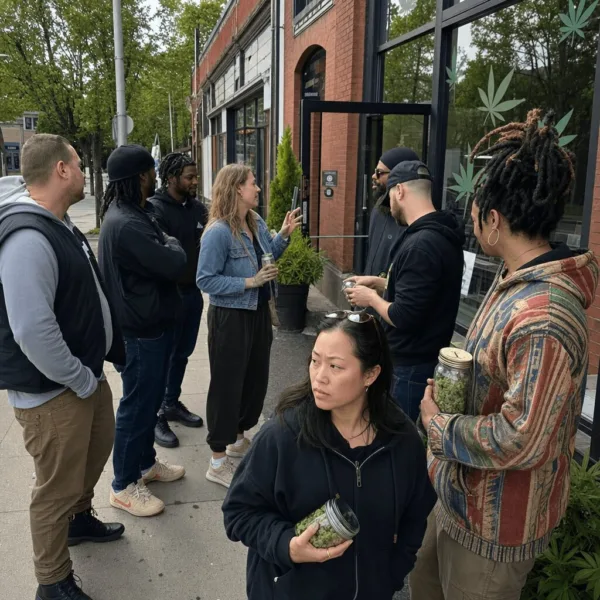

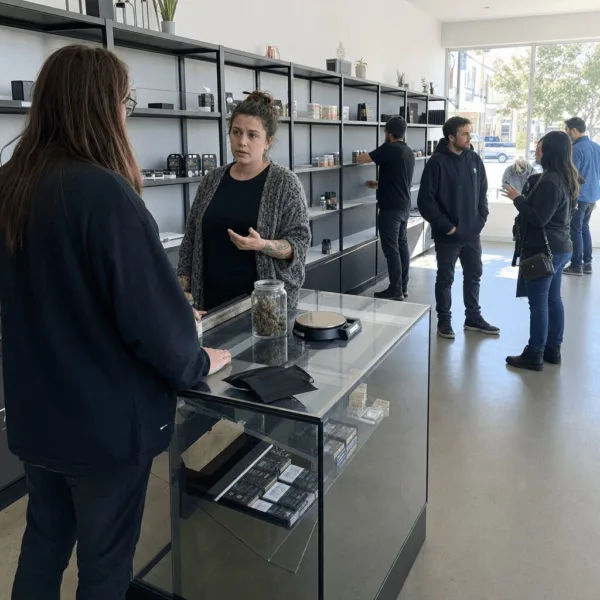



If you’re planning a trip to the Evergreen State, there’s a buzz you can’t ignore—cannabis potency Washington has reached levels that stand out nationally in 2024. With evolving market trends, new consumer behaviors, and recent headlines, understanding what’s inside that dispensary jar is more vital than ever. Let’s dive into why this matters now, from unique local rules to traveler must-knows.
Understanding Cannabis Potency in Washington: Regulatory, Social Context
Washington State made history as one of the first to legalize recreational cannabis back in 2012, shaping a legacy of innovation in potency, safety, and consumer choice. As of 2024, the state’s regulatory framework, administered by the Washington State Liquor and Cannabis Board, sets cap limits for certain infused products, but not for flower THC content. For readers interested in broader regulatory shifts, the debate over cannabis law reform continues to make national headlines, as seen following heated discussions after a high-profile drug trafficking arrest in Westlake. This environment has encouraged intense competition among cultivators to deliver potent highs, leading to market-leading cannabis potency Washington products. Socially, Seattle’s laid-back vibe is matched by a culture of transparency, with testing results front and center in dispensaries. Still, the region’s high-potency trend has prompted warnings from health officials, especially for visitors who may be unaccustomed to such strong products.
Key Developments, Issues: The Cannabis Potency Washington Surge
In June 2024, Washington State Department of Health officials issued fresh guidance cautioning tourists about the cannabis potency Washington is known for, as regional flower regularly tests above 20% THC, sometimes far higher than products found elsewhere in the U.S. As tourist destinations worldwide consider similar cautionary approaches, you can learn more about how travel-related cannabis warnings are impacting global events. According to reporting by KIRO7 News, many newcomers unintentionally overconsume due to unfamiliar potency. State law still requires extensive product lab testing—performed by certified facilities such as Confidence Analytics—which includes THC levels, pesticides, and microbial content. There are currently no upper THC limits on flower or most concentrates, giving both producers like Phat Panda and retailers such as Have a Heart leeway to supply especially strong options to eager customers. These market realities have become a focal point for visitors and local officials alike in 2024.
Expert Analysis, Insights: Navigating High-Potency Trends
It’s no secret that cannabis potency Washington is outpacing many other states. For seasoned locals, that’s part of the culture. Still, experts urge caution: ‘Even long-time consumers can be caught off-guard by new, ultra-potent products,’ notes Dr. Michael S. Allison, Senior Advisor at NORML. ‘Education and informed choices are critical, especially for out-of-state visitors.’ This resonates with broader industry trends. Recent MJBizDaily analyses suggest that demand for transparency and detailed testing info is shaping the new norm. If you’re curious about what happens when consumers take a break from high-potency products, check out these insights on the effects of cannabis abstinence. Dispensaries now routinely post full COAs (Certificates of Analysis) and provide on-site guidance, serving a consumer base that is both diverse and, increasingly, well-informed. Experts emphasize the importance of starting low and going slow, echoing messages from advocacy groups and public health officials alike.
Future Outlook & Conclusion: Evolving with Cannabis Potency in Washington
As the cannabis scene matures, cannabis potency Washington is likely to remain a defining feature—but so too will informed consumption, regulatory improvements, and vibrant local culture. With new scientific studies planned and increased consumer education, the industry is balancing bold innovation with responsible guidance. Experts with Leafly News anticipate continuous adaptation—expect more nuanced labeling, evolving state requirements, and a dedication to public safety as the norm. For locals and visitors alike, that means more power to enjoy, experiment, and truly understand the products on the shelf. Washington’s future is high—on transparency, choice, and consumer empowerment.
Originally reported by: kiro7.com


1 Comment
Pingback: Laramie County arrest report: This Week’s Shocking Updates