


Westlake drug trafficking arrest shocks local community
In today’s rapidly evolving cannabis landscape, local busts like the Westlake drug trafficking arrest make waves far beyond city borders. As legalization trends push forward nationwide, these incidents fuel conversations about enforcement, personal freedoms, and changing public perceptions. Right now, this case has folks debating where the line should be drawn—fired up by new industry developments and fresh legal outlooks. Let’s break down what you need to know and what it means for cannabis in 2024.
Changing Laws and Social Attitudes: The Bigger Picture
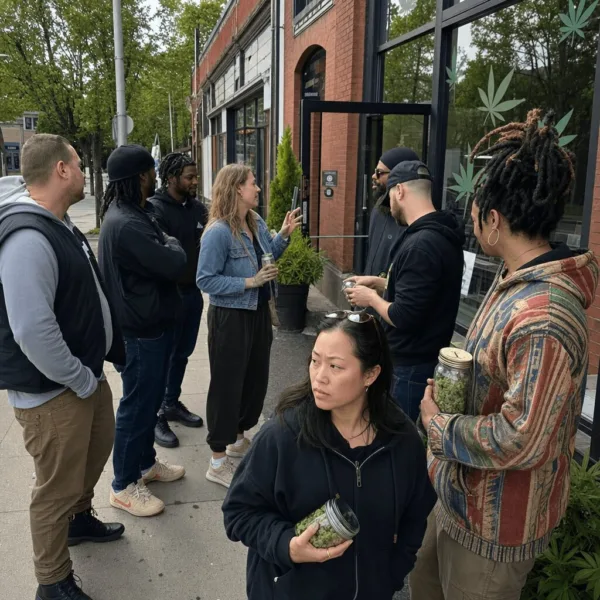
To fully understand the impact of the Westlake drug trafficking arrest, you need to zoom out and see how local enforcement sits in a world where cannabis legalization efforts continue picking up steam across the United States. In Ohio, medical cannabis is legal, but recreational use is still tightly regulated, leaving a gray area that’s confusing for many residents. Community-level debates in areas similar to those reflected in Chico, California, where city councils are making bold steps toward cannabis reform, show how attitudes evolve and put pressure on local law enforcement. This dynamic creates friction between progressive social views and old-school enforcement tactics. Meanwhile, communities are seeing firsthand how changing attitudes and legal shifts collide in real time, driving public debate and legal reforms.
Breaking Down the Westlake Drug Trafficking Arrest
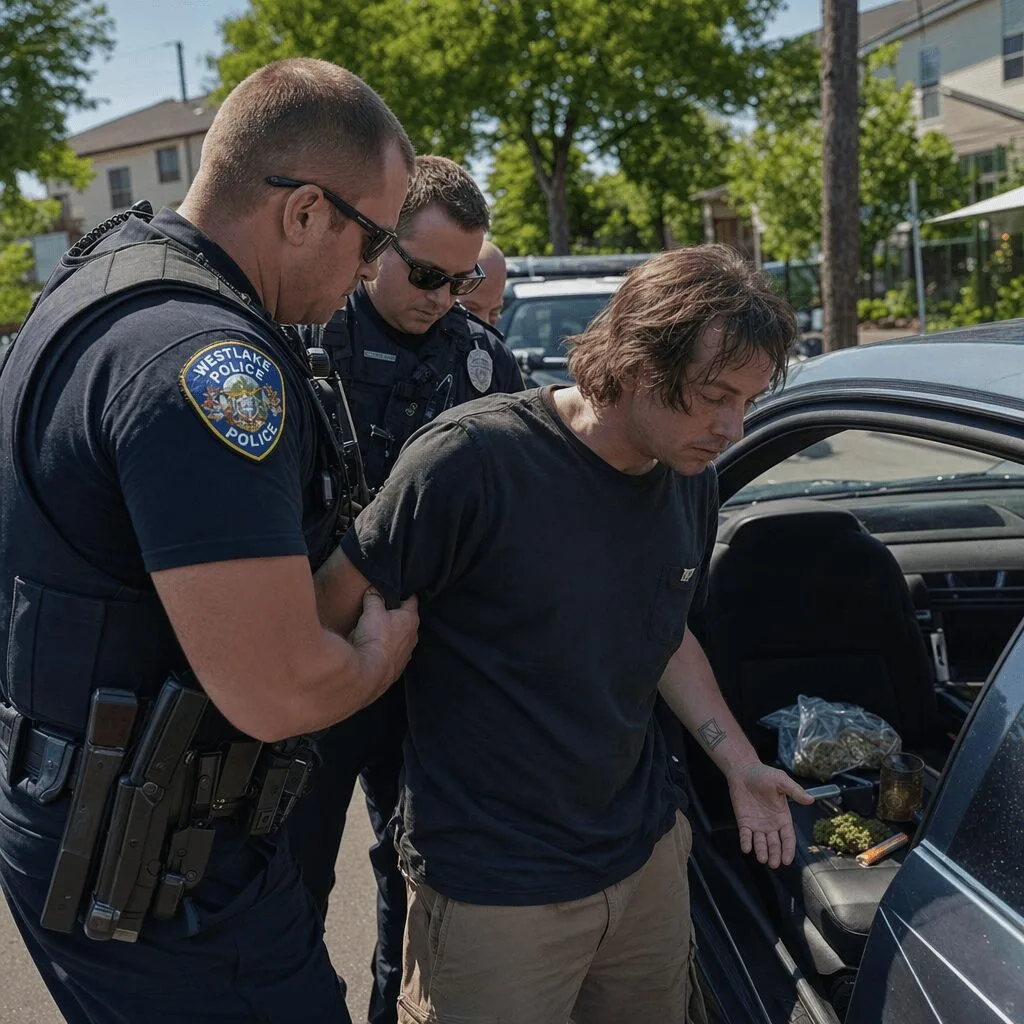
On a quiet day in June 2024, Westlake police apprehended a Bay Village man near a suburban street, sparking local and online uproar. Officers conducted a vehicle search and, according to their official statement, found cannabis, related paraphernalia, and suspended the suspect’s driving privileges based on impaired operation charges. The local man faces a combination of drug trafficking charges and OVI (Operating a Vehicle Impaired) violations. The incident has quickly reached viral status among Cleveland’s cannabis community, which is reminiscent of broader community reactions seen in recent cases as covered in community reactions to Westlake’s recent drug trafficking arrest. The details—including the suspect’s background, the evidence documented, and the swift police action—have prompted new scrutiny of how street-level events intersect with broader legal shifts.
Expert Insights and the Cannabis Industry Perspective
Events like the Westlake drug trafficking arrest highlight that public policies and law enforcement often lag behind real-world cannabis acceptance. As noted by industry expert and policy advocate Dr. Ethan Russo, “Until we update federal and state frameworks to match modern evidence and clinical realities, we’ll keep seeing otherwise nonviolent adults caught in the crossfire” (Rolling Stone, 2024). This is similar to how disruptions in the legal cannabis marketplace—such as the changes described in state-level regulatory environments like Connecticut’s new cannabis discount rules—can communicate wider uncertainty for both users and industry. At the same time, increased access and normalization bring valid questions about responsible use and public safety. Industry publications like MJBizDaily report that as markets modernize, education and community support, rather than strict punitive measures, offer better results for both users and society.
Looking Forward: The Future of Cannabis in Westlake and Beyond
While the Westlake drug trafficking arrest may feel like a setback to some, the bigger story is about progress and adaptation. Every community that reels from an enforcement action helps push the conversation forward, building momentum for smarter, evidence-based reform. As Ohio—and many other states—teeter on the edge of recreational legalization, experts hope to see reduced stigma and smarter law enforcement approaches. According to NORML, 2024 will likely bring substantial regulatory refinements and increased understanding from local officials. One thing is clear: cannabis culture isn’t fading away—instead, it’s demanding a new, fairer approach.
Originally reported by: cleveland.com

1 Comment
Pingback: Virginia State Cannabis Budget: What Lawmakers Just Unveiled