




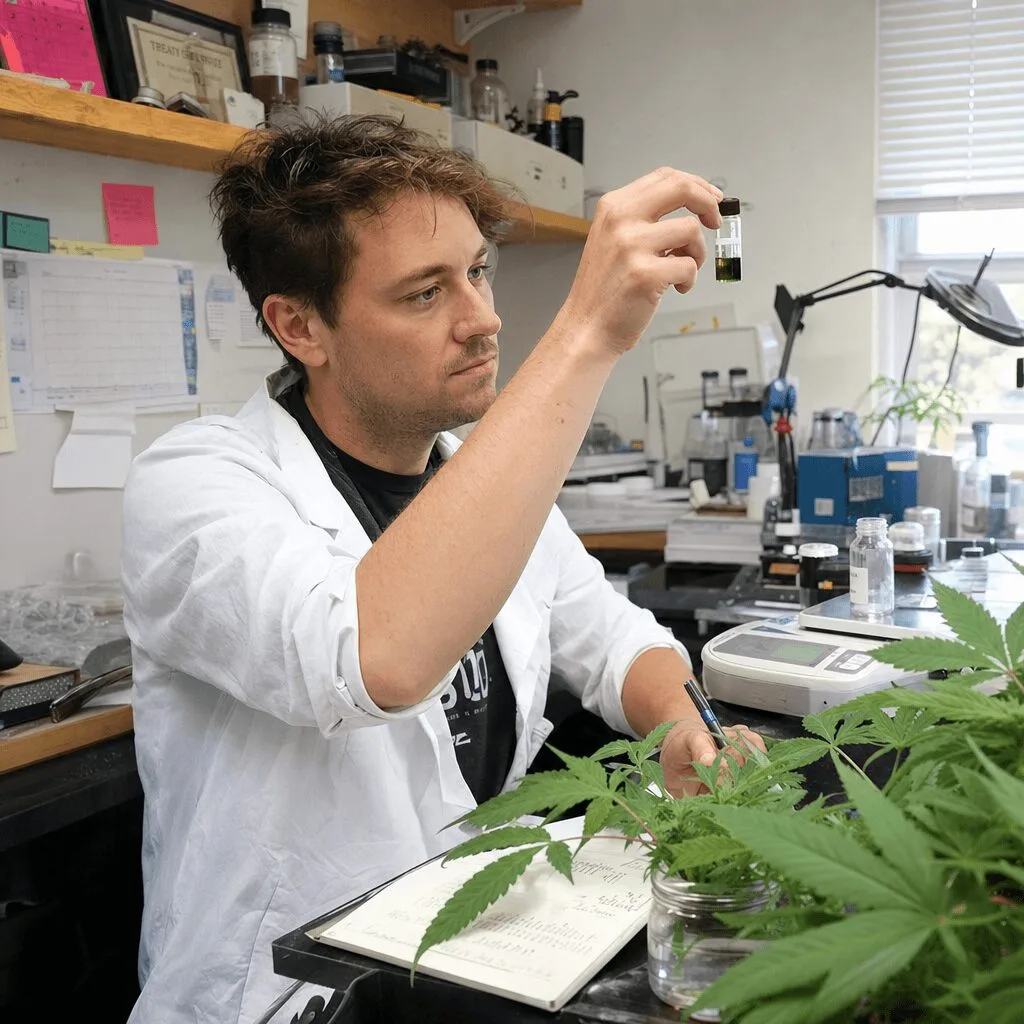
Cannabis Pain Relief Compound: Revolutionary New Findings
There’s no denying it—the world of cannabis research is heating up like never before, especially around the cannabis pain relief compound. With a surge in public demand for alternative pain solutions and evolving regulations, it’s no surprise that cannabis is at the forefront of wellness innovation in 2024. Newly published research is delivering groundbreaking insights into how this natural compound is changing the way we manage pain. Let’s dive into what’s behind these headlines and why every patient, consumer, and industry insider should be paying attention right now.
The Regulatory and Market Landscape for Cannabis Pain Relief Compound
The path to legal acceptance of any cannabis pain relief compound has been anything but straight. Although major shifts have happened, like the FDA approval of cannabis-derived medicines, the strict federal status of cannabis in the U.S. keeps research complex. In the U.S., state-specific issues, as seen with Nebraska’s hemp THC law debates, demonstrate how laws impact both shoppers and businesses. Globally, countries like Canada and Germany have paved smoother roads for medical cannabis access, citing substantial progress and patient benefits. The increasing recognition from medical associations and shifting voter attitudes, reported by NORML in 2024, show that medical cannabis is getting more mainstream. In this evolving atmosphere, companies and researchers face a delicate dance, balancing consumer demand, scientific rigor, and ongoing regulatory twists. Stigma is still out there, but medical evidence for the effects of cannabis pain relief compounds is winning hearts and legislative votes like never before.
Breakthroughs and Hot Topics: The Latest on Cannabis Pain Relief Compound
In 2024, researchers at a leading North American institute revealed stunning findings about a distinct cannabis pain relief compound. According to a ScienceDaily report, scientists have isolated a novel compound distinct from the more famous CBD and THC, that demonstrates highly effective relief from chronic pain. Research continues to spark major discussion, much like the evolving landscape highlighted in Montana’s legalization stories, where shifts in cannabis policy and research are intertwined. This research, released in June 2024, involved preclinical trials using both cell cultures and animal subjects, with results showing pain reduction rates far surpassing established cannabinoids.
Key details highlight that this compound could offer non-intoxicating pain relief, making it attractive for patients seeking relief without the traditional cannabis “buzz.” Research teams highlighted safety, minimal side effects, and possible applications in neuropathic conditions. The study’s lead, Dr. Riley Anderson, said, “Our focus has always been finding a safer, evidence-backed cannabis pain relief compound, something patients can rely on for real-world symptom management.” With enthusiasm running high, several biotech startups have already signaled their intent to pursue clinical trials with regulatory agencies in 2024 and beyond.
Expert Takes: What This Means for Cannabis and Pain Relief
This isn’t just media hype, the discovery of a new cannabis pain relief compound has sparked major conversation among industry leaders. According to a recent MJBizDaily feature, “This level of scientific validation is exactly what our industry needs to cross from anecdote to evidence,” said Dr. Priya Malik, a board-certified pain specialist. She continues, “As acceptance grows, patients and providers will look beyond traditional THC and CBD, seeking the right cannabinoid for the right symptom.”
In practical terms, these findings could reshape how doctors, patients, and even insurance companies approach chronic pain treatments. Concerns about policy adaptation have surfaced, as seen when major regulatory shifts hit the Washington, D.C. medical marijuana market with waves of store closures in 2024. There’s growing optimism that newer, carefully studied cannabis pain relief compounds could help address both the opioid crisis and the real world needs of pain sufferers safely, legally, and with fewer side effects. Still, experts warn that regulations need to catch up with the science, and widespread clinical adoption may take a year or two. It’s a marathon, not a sprint, but the starting gun has clearly fired.
The Road Ahead for Cannabis Pain Relief Compound Research
The cannabis pain relief compound is no longer just a buzzword; it’s a proven research focus that’s here to stay. As more studies confirm its benefits, and as entities like the NIH keep funding investigations, the outlook is incredibly bright. The cannabis industry’s trajectory points toward greater legitimacy, improved regulations, and expanded access everywhere.
So, what’s next? Expect faster-moving clinical trials, bold collaborations between scientists and industry, and potentially historic approvals for new medicines crafted from this cannabis pain relief compound. For patients, advocates, and cannabis professionals alike, it’s finally time to expect—and demand—pain relief options that are not just natural, but also scientifically sound and accessible.
Originally reported by: sciencedaily.com