Cannabis Commission governance: Major Shift in Governor’s Control
If you’re plugged into the Massachusetts cannabis scene, you’ve probably noticed the shakeup in Cannabis Commission governance—and trust me, this one’s a big deal. With the governor’s new authority to take the wheel, the vibe across the industry is shifting. Growers, retailers, and even regular consumers are watching regulatory changes unfold in real time. In this article, I’ll break down why Cannabis Commission governance is making headlines, what it means for everyone from operators to advocates, and how it fits into the ever-evolving legal cannabis landscape.
Understanding the Roots: Cannabis Commission Governance in Context
Let’s be real, Massachusetts has always played a fascinating role in America’s cannabis experiment. Since legalizing recreational cannabis in 2016, the state’s Cannabis Control Commission (CCC) has combined strict oversight, attempts at equity, and public safety. Nationally, cannabis governance is a balancing act, protecting public interests while allowing a multi-billion-dollar market to blossom. According to Marijuana Moment, the Commission’s duty is to license, monitor, and educate, all while responding to shifting legal winds and rapidly growing demand. Understanding these dynamics is crucial, just as debates over the legal history of cannabis and major reforms continue to influence policy shifts nationwide. That context makes any major governance change, especially putting the governor directly in charge, extra controversial and important.
Unpacking Recent Moves: Governor’s Control and the Downsizing Drama
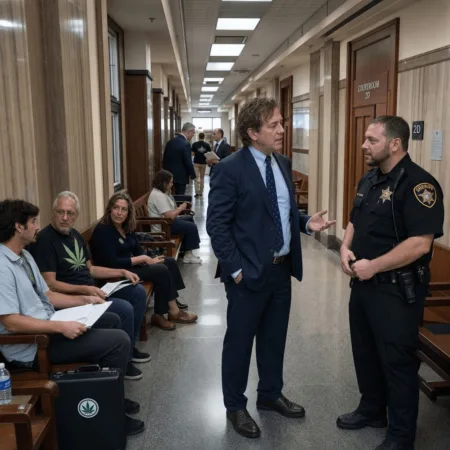
Here’s what just went down, On June 13, 2024, following heated negotiations, Massachusetts lawmakers finalized an accord that hands direct control of a newly downsized Cannabis Control Commission to the governor. As reported by WWLP, this deal reshapes oversight at a time when the Commission itself has faced plenty of internal drama, including high-profile suspensions and calls for reforms after complaints of leadership breakdowns. The new structure announced in the State House empowers the governor to appoint key leaders, streamline operations, and push reforms designed to restore confidence and accountability. Operators, advocates, and observers from other adult-use markets recognize these changes are not business as usual. The transition will affect not only how licenses are granted and rules enforced, but also how the public perceives the fairness of the process. With similar transitions occurring in other states, the rise of underground cannabis markets remains a pressing issue that Massachusetts must continue to address. Some in the industry see efficiency on the horizon, while others fear increased political interference.
Expert Analysis: The Good, the Bad, and the Blunt Truths
So, what does this mean for Cannabis Commission governance and the broader cannabis world? Well, there’s a lot to unpack. Experts say streamlining the commission could improve efficiency. Yet, as Leafly reports, too much executive power could threaten hard-won regulatory independence. As Lisa Hurwitz, a respected industry consultant, notes, “Maintaining balanced, transparent Cannabis Commission governance is crucial, otherwise, communities and small businesses could lose their voice.” Change could mean faster application reviews and more decisive action on equity programs. On the flip side, without grassroots input and accountability, the commission risks repeating mistakes from top-down, politically driven agencies elsewhere. These shifting trends in cannabis—including recent declines in THCA hemp sales that have shaken up local shops and industry trends—make it clear that Massachusetts must keep reforms open, fair, and rooted in the real needs of the cannabis community.
Looking Ahead: Cannabis Commission Governance and the Future of Massachusetts Cannabis
If there’s one thing we all know about the cannabis industry, it’s this: change is inevitable, and resilience is key. The new Cannabis Commission governance landscape in Massachusetts could pave the way for smarter regulations, better consumer protections, and more robust industry growth. As regulatory models evolve, the hope is that lessons learned here will inform other states grappling with their own cannabis oversight challenges. According to NORML, states that balance government oversight with community voices tend to see better outcomes for everyone—from fairness in licensing to stronger public trust. Here’s to a future where Cannabis Commission governance puts people, patients, and progress at the center—and where Massachusetts keeps setting the national bar on what responsible, innovative cannabis regulation can look like.
Originally reported by: wwlp.com