





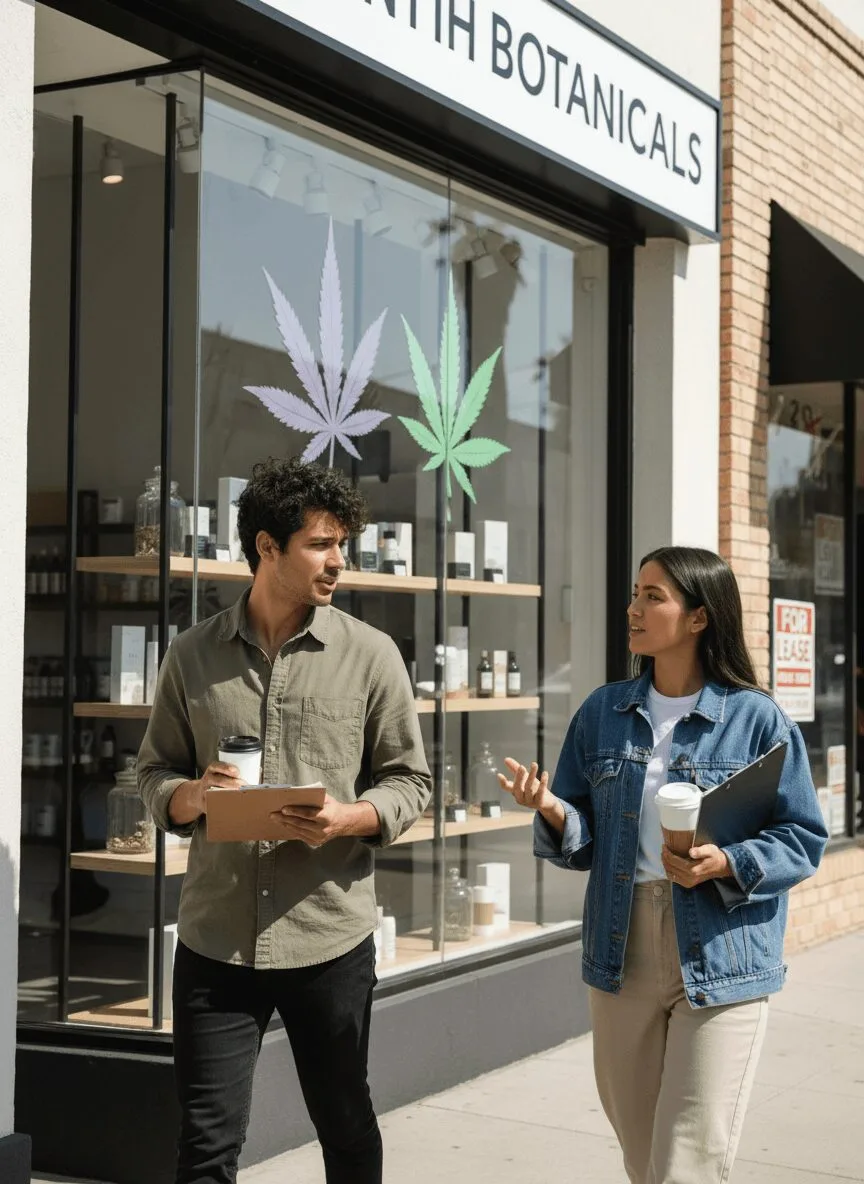
Cannabis and Commercial Real Estate: Culture Collides in CRE
The intersection of cannabis and commercial real estate is hotter than ever in 2024. Shifting regulations, changing societal attitudes, and demand for retail spaces are all fueling a momentous shift. Right now, storefronts once reserved for mainstream brands are embracing cannabis culture, reshaping urban neighborhoods—especially in California. This dynamic marketplace is a prime battleground where culture, law, and commerce all intersect. In this article, we’ll explore why cannabis and commercial real estate are deeply linked, why that matters, and where the market is headed. Buckle up: culture is truly colliding with CRE, and the aftershocks are reshaping city life.
The Regulatory and Social Backdrop: Setting the Stage for Change
The relationship between cannabis and commercial real estate is a direct result of evolving laws. In California, marijuana legalization has rippled through local economies since Proposition 64 passed in 2016 (source: National Conference of State Legislatures). This opened the door for legal dispensaries but brought layers of zoning rules, permitting headaches, and ever-changing regulations. On top of that, not every city in California allows cannabis businesses, leading to patchwork access.
Landlords, once hesitant, are increasingly evaluating cannabis tenants, but it’s not all laid-back vibes and easy money. Banks remain wary due to federal law, and insurance remains a challenge for these businesses. Meanwhile, mainstream retailers struggle with rising vacancies, while cannabis brands search for prime corners and high-visibility windows. Add in tax policy, evolving consumer attitudes, and city council debates, and you’ve got a recipe for a retail revolution. This dynamic intertwines with recent changes in tax incentives that continue to shape the market, as explored further in discussions about tax break potential within the industry. As a result, the fusion between cannabis and commercial real estate is shaping neighborhoods, investments, and the cultural fabric of SoCal’s urban centers.
Key Developments: Culture, Legal Weed, and CRE on a Collision Course
In April 2026, a major milestone was spotlighted by the Orange County Register, highlighting how cannabis and commercial real estate are transforming together in Southern California. In trendy retail strips from Santa Ana to Long Beach, sleek new dispensaries have opened in units once occupied by national brands.
One notable event: a large retail center along Beach Boulevard recently finalized a multi-year lease with a minority-owned cannabis retailer. This deal came just months after new city-level zoning ordinances eased retail cannabis locations in several Orange County municipalities. Community boards and neighborhood groups have voiced concerns about retail density, echoing situations in other cities where policy shifts, such as underage bans, stir debate among residents—learn more about these impacts in this recent examination of local controversy. Industry attorneys note a spike in conditional use permit applications—up 38% year-over-year according to MJBizDaily. Despite challenges, demand for cannabis retail storefronts keeps rising as more consumers embrace legalization and regulated products.
Expert Analysis: What These Shifts Really Mean for Cannabis and Commercial Real Estate
The fusion of cannabis and commercial real estate is more than a trend, it’s a cultural shift marking cannabis’ mainstream acceptance. These retail interplays bring both opportunities and growing pains. Zoning flexibility allows previously stagnant retail corridors to reinvent themselves, sparking new life and driving tax revenue.
According to Emily Paxhia, co-founder of Poseidon Asset Management, “Cities that embrace legal cannabis benefit when regulations and real estate sensibilities align. It’s about meeting people where they are and normalizing responsible retail experiences.” (Forbes).
Experts also stress the challenge of weighing public concerns around youth access and neighborhood impact, especially as commercial property values shift. Some landlords fear reputational backlash, but others see cannabis retailers as dependable tenants likely to weather economic volatility. The national conversation around regulatory change continues, as illustrated by ongoing debates such as the prospects of federal marijuana rescheduling impacting real estate and business owners. In fact, many property analysts now list cannabis companies as “anchor tenants”—a badge once reserved for major chains.
Looking Forward: Cannabis and CRE’s Next Chapter
As we look ahead, the fusion between cannabis and commercial real estate is poised to drive broader social acceptance and innovation. Regulatory barriers continue to evolve, with more municipalities considering thoughtful reforms based on real-world results, according to recent discussions on Leafly. At the street level, cannabis operators will keep transforming underutilized retail spots, creating vibrant community hubs and employment opportunities.
This is more than a business story; it’s a snapshot of a society embracing a new normal. The future of cannabis and commercial real estate is bright, and as culture and commerce reshape our cities, the only real question is: what storefront will surprise us next?
Originally reported by: ocregister.com



1 Comment
Pingback: Shocking Hemp Facility Hit-and-Run Stuns Central Point