


Shocking Hemp Facility Hit-and-Run Stuns Central Point
Central Point just got rocked by a hemp facility hit-and-run, turning what should’ve been a mellow workday into local headline news. As the hemp and CBD space rides a high of growth and acceptance, this incident brings some sober reality—not just for the industry, but for the safety culture at emerging cannabis operations. Let’s break down why this hemp facility hit-and-run matters, how it plays into wider regulatory and market dynamics, and what industry voices are saying about keeping things both legal and safe.
Background: Legalization, Safety, and Stigma at Cannabis Facilities
As hemp and legal cannabis operations evolve, facilities like the one in Central Point symbolize both a new economic wave and a regulatory test bed. The 2018 Farm Bill cracked the door wide open for industrial hemp nationwide (U.S. Congress), but local acceptance moves at its own speed. These working sites juggle compliance with the Oregon Department of Agriculture’s hemp regulations, plus new safety demands unique to cannabis. With the cannabis industry influencing changes in commercial real estate and impacting the streetscape in areas similar to Southern California, communities are watching closely how these waves ripple through local economies and infrastructure (see more on shifting cannabis real estate trends). Despite legalization, lingering stigma sometimes affects public attitudes and even emergency responses, increasing the stakes when something wild like a hemp facility hit-and-run goes down. These regulations also mean added pressure on operators and workers, and the industry is still writing the book on best practices for security and incident response (Law360).
Breaking Down the Central Point Hemp Facility Hit-and-Run
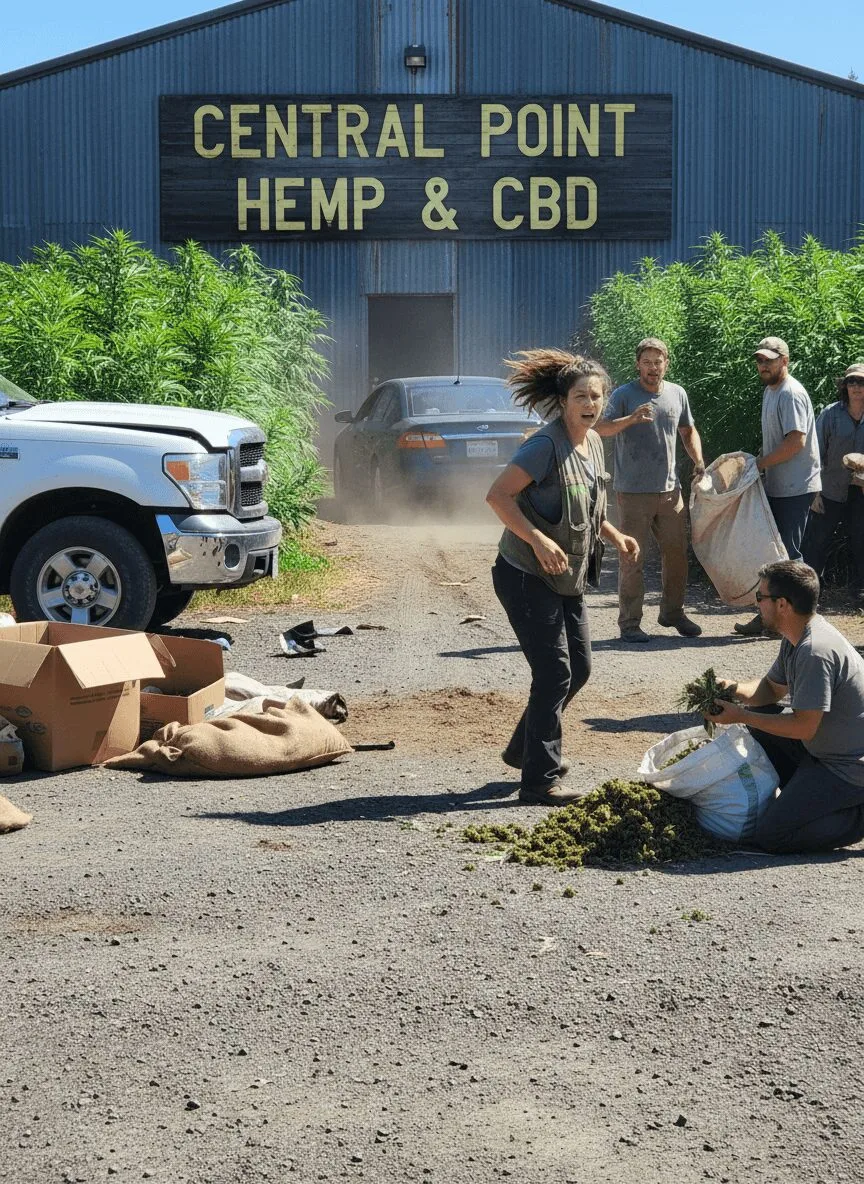
According to RV Times, the incident unfolded on April 24, 2026, at a well-known Central Point hemp and CBD facility. Eyewitnesses told investigators a vehicle trespassed onto the property, bypassing security signage, then struck a worker during a confrontation and sped off, leaving chaos in its wake. Facility management, juggling shock and frustration, locked down the scene while local law enforcement canvassed surrounding roads for the suspect. This event has echoes in regional news, such as debates surrounding underage cannabis bans and the evolving impacts of cannabis laws on neighboring communities (community reactions to evolving cannabis regulations). Police reports describe tire marks skidding through the gravel, bags of hemp dropped in confusion, and employees rallying around the struck worker (who, reports confirm, sustained minor injuries and is recovering). The facility, which has been a fixture in the community and operates legally under Oregon industrial hemp licensing, now faces a high-profile investigation that highlights growing pains as cannabis businesses go mainstream.
Hemp Facility Hit-and-Run: Analysis and Safety Lessons for the Cannabis Industry
This hemp facility hit-and-run isn’t just front-page news, it’s a litmus test for how prepared cannabis operators are for real-world challenges. Most cannabis facilities were designed with theft, not vehicular incidents, in mind. As Ganjapreneur security expert Tony Gallo explained, “You can have all the fencing you want, but cannabis sites need protocols for every kind of emergency now.” Community leaders meanwhile are urging calm and cooperation, emphasizing that “one rogue actor doesn’t reflect the majority of hardworking, law-abiding cannabis pros keeping the industry legit.” This hit-and-run highlights a security gap that’s increasingly showing up across the U.S., especially at facilities that are growing faster than public infrastructure or law enforcement training can keep up (Leafly). With states like Missouri grappling with the impact of new THC bans on the local hemp industry, it’s clear the cannabis sector must continuously adapt to changing threats and evolving regulations (read about local hemp regulation changes and impacts). To keep business high and incident rates low, some operators are doubling down on training, real-time cameras, and stronger ties to local authorities—moves supported by most industry advocates.
Looking Forward: Growth, Vigilance, and Mainstreaming in Cannabis
Incidents like the Central Point hemp facility hit-and-run are wake-up calls, but they also show how cannabis businesses are stepping into the mainstream—and all the complex, sometimes messy public realities that come with it. Industry watchers from sources like Marijuana Business Daily agree: With robust protocols, community engagement, and a dash of that resilient cannabis culture, facilities can turn shocks into chances for growth. As regulatory frameworks keep evolving and social acceptance builds, expect tighter security norms—not just for big urban operators, but rural and small-town ones, too. At the end of the day, the hemp industry is about resilience, adaptation, and keeping it safe for everyone, from seasoned growers to new hires. The future? Still green, still bright—just a little tougher, and a lot more prepared for anything.
Originally reported by: rv-times.com


1 Comment
Pingback: Ohio woman Bali marijuana arrest sparks global attention