





Calabarzon Drug Bust Uncovers P4.4-M Worth of Shabu & Marijuana
Right now, the world’s watching as another big Calabarzon drug bust rocks the headlines. In a region already grappling with heated debates on drugs and legalization, this new bust involving millions in seized cannabis and shabu shows just how complex things really are. The details coming out highlight not only deep law enforcement challenges but also the urgent need for updated drug policy discussions. In this piece, I’ll break down what happened, share insights from both sides of the debate, and offer expert analysis on where things could go from here.
Regulatory, Social, and Market Background on Calabarzon’s Drug Landscape
Calabarzon, with its dense population and growing economic influence in the Philippines, is no stranger to intense drug enforcement and debate. Under national law, cannabis remains a dangerous drug, though pressure from local advocacy groups and global examples, like medical legalizations in the United States and Canada, have sparked conversations about reform. Meanwhile, human rights orgs such as Amnesty International have pushed back against hard-handed policing tactics, calling for harm reduction and public health approaches. The region is marked by high consumer demand and complicated enforcement challenges, as seen in similar cases like the massive black market cannabis seizures in Ontario. Add in high regional demand, economic challenges, and convoluted law enforcement agendas, and you get a place where every Calabarzon drug bust sends ripples far beyond police station walls.
Details of the Recent Calabarzon Drug Bust: What Actually Happened?
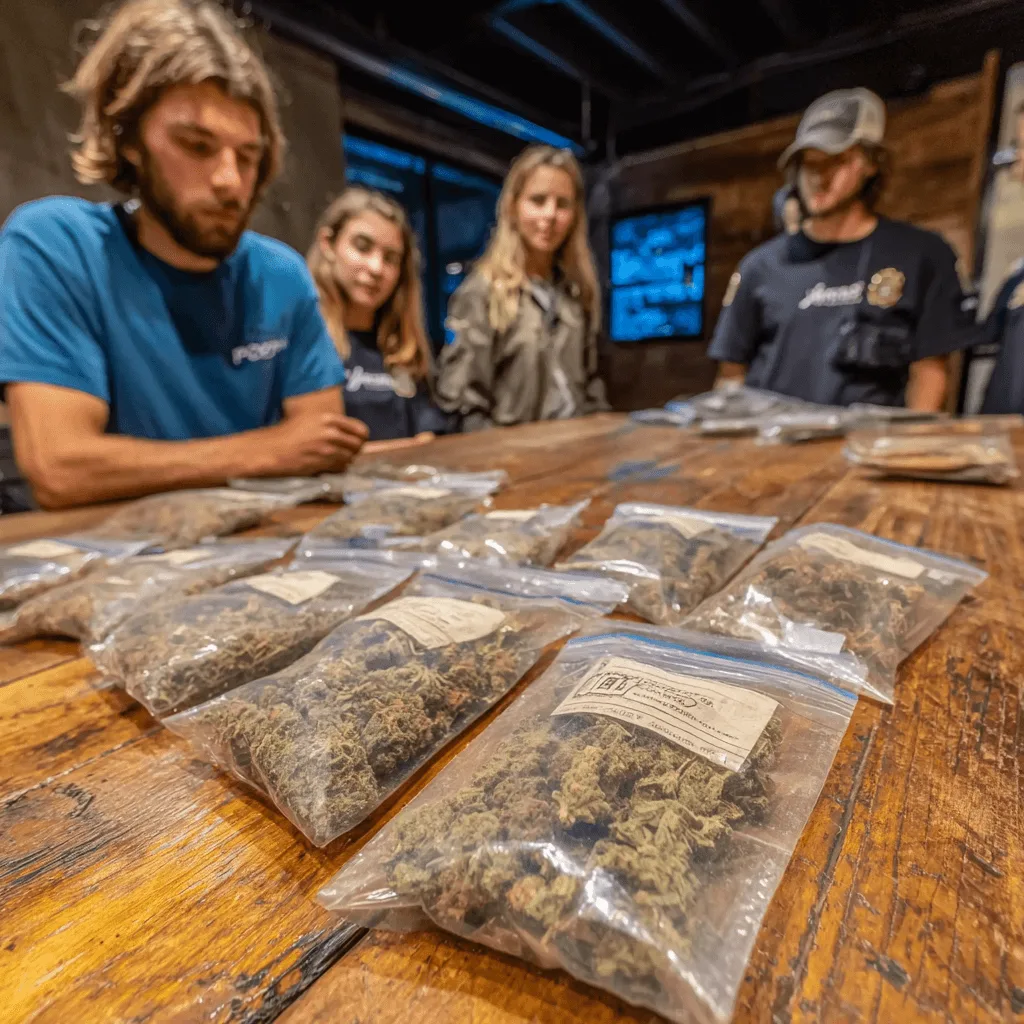
Let’s talk facts: According to Inquirer News, between June 2 and June 3, a 24-hour operation across Calabarzon led to the arrest of 46 people. Police seized an eye-popping P4.4 million worth of cannabis and shabu, an amount that got everyone’s attention. Plastic bags loaded with green, leafy cannabis and crystalline brown shabu were found across several towns, and all arrests came about as a coordinated regional sweep. Drug operations of this scale in residential and unexpected settings have been making headlines internationally, such as the recent high-profile bust in Brooklyn luxury apartments. Local authorities claim this is part of President Marcos Jr.’s wider crackdown on illegal drugs, not just targeting shabu but increasingly focusing on cannabis hauls as well. They say these operations are part of efforts to make the area safer and restore public confidence, but critics point to recurring themes of over-policing and legal ambiguity. Whether this Calabarzon drug bust is a win or a warning, it’s now indisputable that both cannabis and shabu remain center stage in local enforcement headlines.
Expert Insights: Cannabis Reform, Harm Reduction & the Real Impact
Industry watchers, advocacy leaders, and legal experts agree, the way we handle drugs like cannabis needs modernizing, not just more police tape. As Marijuana Moment editor Kyle Jaeger notes, “Whenever you see a major bust, it’s a signal that prohibition policies aren’t working—people will find a way to access what they need, especially when regulations lag behind science and society.” Evidence from countries moving toward legalization, like the U.S. and Canada, shows that regulated markets can actually reduce criminal elements, improve public safety, and funnel resources to public health. Debates in regions around the world have reached similar conclusions, as seen in the shifting legal landscape following recent Amarillo narcotics raids. The Philippines, however, remains split: public opinion is warming to the medicinal value of cannabis even as enforcement stays strict. These contradictions are at the heart of every high-profile Calabarzon drug bust.
Looking Forward: Cannabis Policy Reform & Calabarzon’s Next Chapter
The ripple effects of this Calabarzon drug bust will stick around for a while. With millions in marijuana and shabu off the streets, law enforcement touts results—but the question is, can traditional crackdowns ever address the root causes? Globally, the cannabis industry is moving forward, with regulatory reforms and booming markets reported by Benzinga and other experts. More countries—across Latin America, Europe, and Asia—are beginning to recognize the benefits of balanced, health-driven drug laws. For Calabarzon and the Philippines, this bust is another urgent reminder: it’s time to align with world standards, protect communities, and open the door for careful, compassionate reform. Whether through public dialogue, medical cannabis pilot programs, or smart regulations, the future for responsible cannabis advocates in Calabarzon looks brighter than the headlines suggest.
Originally reported by: newsinfo.inquirer.net


