





Amarillo Narcotics Arrest: DPS, RCSO Raid Uncovers Cannabis
Talk about timing. The Amarillo narcotics arrest is already making serious waves in the cannabis community and beyond. As Texas toes the line on cannabis regulation and the national conversation heats up, raids like this one put the spotlight on how law enforcement, legal markets, and everyday people collide. This isn’t just another headline — it’s a reflection of real change, real risks, and real people. Here’s the lowdown on why this Amarillo bust matters now for the cannabis scene, law enforcement, and everyone impacted by policy shifts on weed.
Background: Cannabis Laws, Texas Toughness, and Community Impact
Let’s keep it real. Texas is notorious for having some of the most restrictive cannabis laws in the country, and despite growing public support for reform, possession and sale of cannabis remain criminalized throughout most of the state, with very limited medical marijuana access (texas.gov). This hard-line stance means folks from Amarillo to Austin face the same legal heat, and Amarillo law enforcement is no exception.
On the flip side, local attitudes are evolving. According to recent Pew Research polls, over 60% of Texans support some form of legal cannabis. But while public opinion shifts, the reality on the ground is that minor possession can still land you in big trouble, especially in regional hubs like Amarillo, which has faced scrutiny after incidents similar to those seen in other states—like the recent car search ruling in Florida that challenged local enforcement tactics. This creates a tense dynamic between law enforcement crackdowns and cannabis advocates, with arrests like this one often sparking local debate and national scrutiny.
Breaking Down the Amarillo Narcotics Arrest: What Actually Happened?
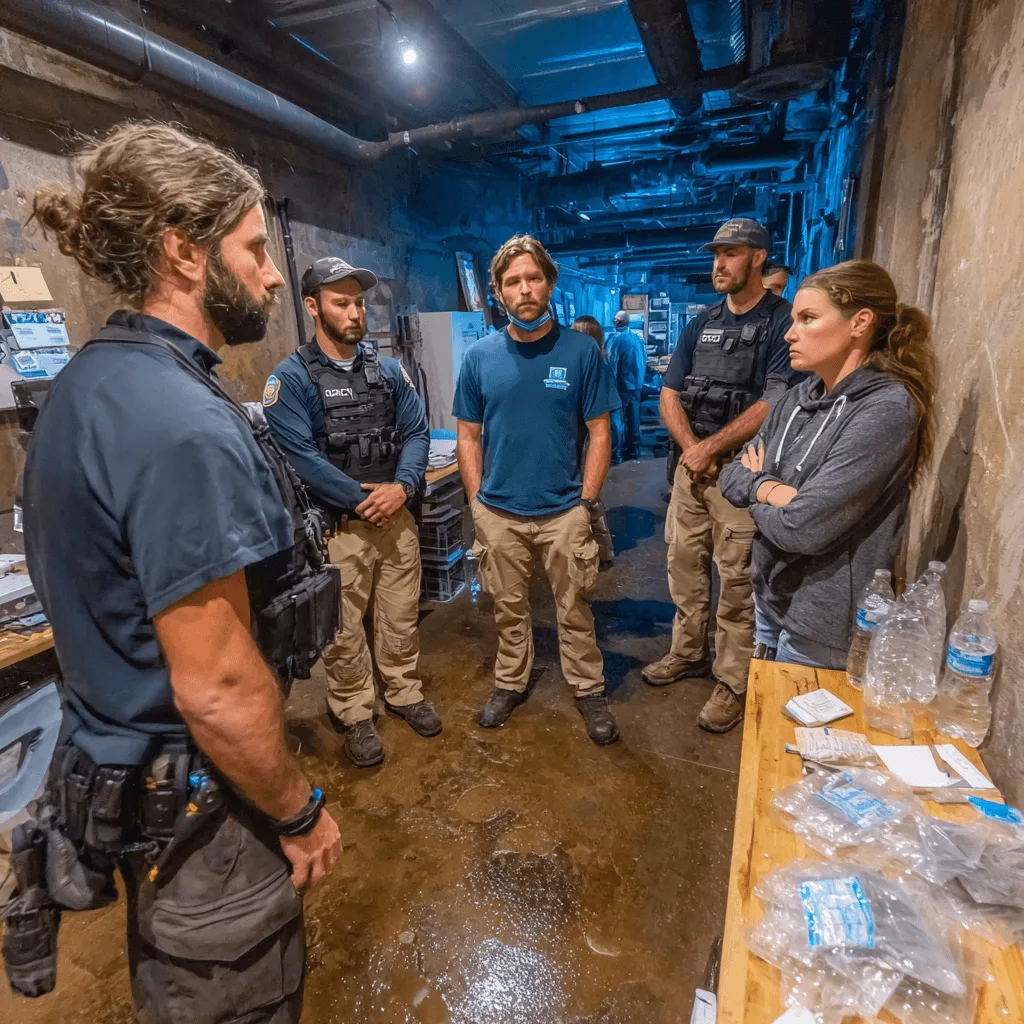
So what went down in Amarillo? According to the official DPS news release, officers from the Texas Department of Public Safety (DPS) and Randall County Sheriff’s Office (RCSO) executed a joint narcotics warrant in the Northwest Texas region.
During the warrant search, law enforcement detained and arrested five individuals. The reported haul? Several clear plastic bags containing cannabis flower, rolling paper, and other personal effects. The Amarillo narcotics arrest was part of an ongoing effort to combat unlicensed cannabis activity and other “narcotics” cases in the area, resembling other high-profile cannabis busts in Texas that have shaken statewide discussions. The officers involved were reportedly plainclothes, just determined enforcement.
No injuries or significant resistance occurred, according to official statements. While authorities emphasized public safety and “zero tolerance” policies, the presence of everyday items and small personal amounts drew the attention of both cannabis advocates and civil liberties observers. The Amarillo narcotics arrest has since triggered larger questions about how Texas applies criminal enforcement to a rapidly changing national landscape for cannabis laws.
Expert Analysis: Balancing Law, Culture, and Common Sense
There’s a lot at play in the Amarillo narcotics arrest. For one, it underscores how out of sync Texas can feel from national cannabis trends. While states like California and Colorado have embraced regulated markets, Texas still often equates any cannabis with dangerous crime. Industry leaders and policy experts urge a more nuanced approach, much like the call for reform heard when iconic figures and new brands have driven cannabis industry expansion in other communities.
As cannabis policy researcher Morgan Fox told Marijuana Moment, “Criminalizing small-scale cannabis offenses does little to improve public safety, but it does disrupt lives and fuel distrust between communities and the police.”
Beyond the numbers, cannabis busts like Amarillo’s raid often target low-level users or those self-medicating for health reasons. According to NORML, almost 40% of U.S. adults now have access to some form of legal or decriminalized cannabis, but Texas is stuck with policies decades behind the curve. The Amarillo narcotics arrest also calls out inconsistencies in enforcement. In some counties, small possession leads to tickets or diversion; in others, full criminal charges. This “patchwork” approach frustrates both advocates and the industry. As local cannabis lawyer Sarah Mills put it, “If we want safer communities, let’s invest in regulation, not more arrests.”
Looking Forward: Hopeful Signs Amidst Harsh Realities
It’s easy to get frustrated by Amarillo narcotics arrest headlines, but don’t miss the bigger picture. Momentum for reform is still rising, both culturally and legislatively. With Texas lawmakers introducing new bills and momentum building behind decriminalization, Amarillo’s story is a reminder that policy change is not just possible — it’s already on the table (Texas Tribune).
Advocates, legal experts, and everyday Texans keep showing up to push for fairer laws, better public education, and common-sense regulation. Amarillo’s raid may feel like a setback, but it’s also fuel for smarter debates and more compassionate approaches.
As the national cannabis movement picks up speed, Texas communities are poised to keep challenging the old rules — and building something new. Stay tuned, stay vocal, and expect the Amarillo narcorics arrest to be part of a bigger shift toward justice and sanity for all. The grassroots determination is strong, and the winds of change are definitely blowing through the Panhandle.
Originally reported by: dps.texas.gov



1 Comment
Pingback: Exploring the Marijuana Industry Tax Impact in 2024